Kayaking & Paddleboarding with Kids
The complete family guide to paddle sports: from first splashes to confident paddlers
2026 Product Picks
Our latest product roundups related to this guide:
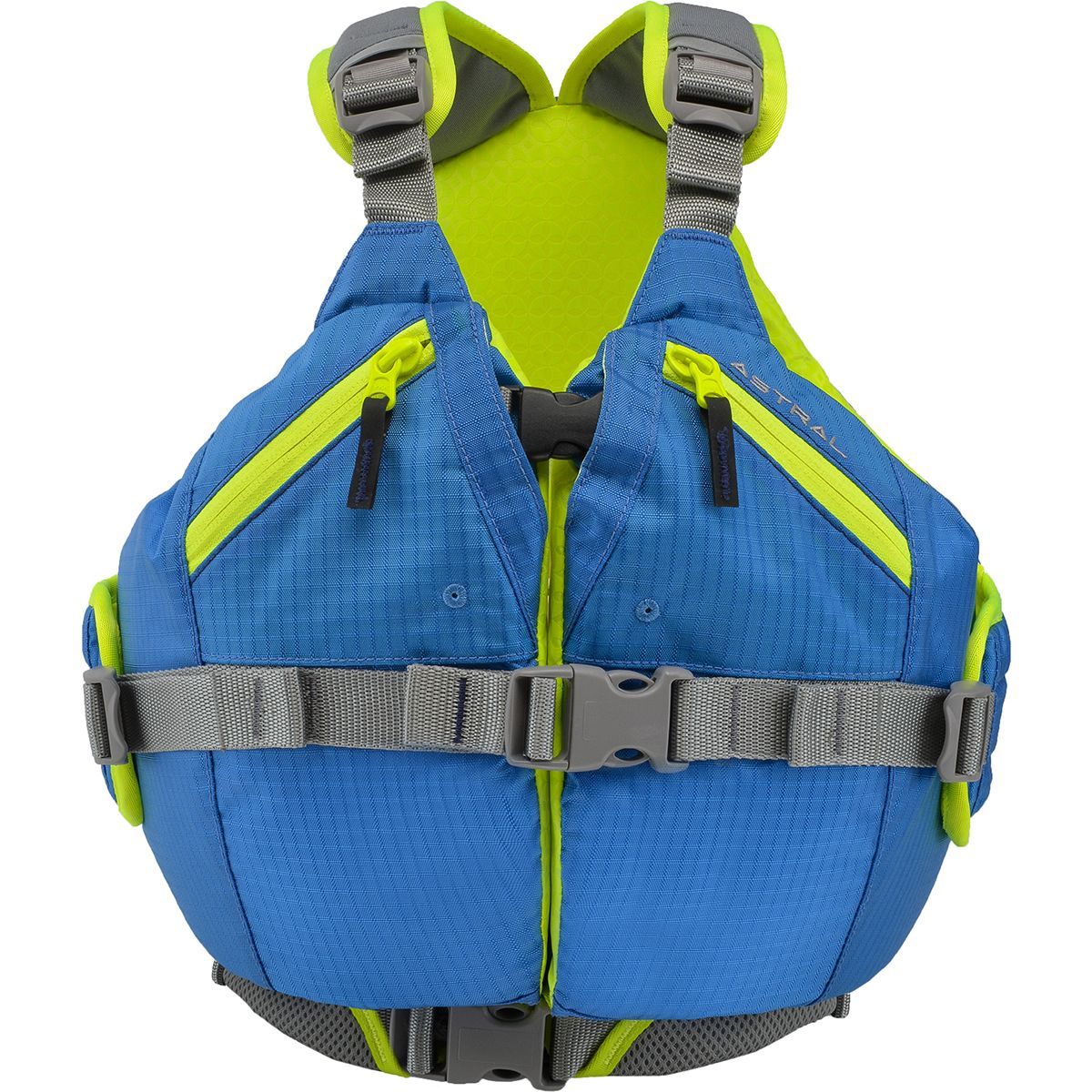
Astral Otter 2.0 Personal Flotation Device - Kids
Designed with longer torso, deeper V-neck, and larger arm holes for comfort. Ripstop nylon shell, PE foam with Organic Kapok for soft comfort. Leg loops secure smaller kids. Grab handle on back for ea...
Few outdoor activities create family memories quite like paddling together on calm waters. Whether you're gliding across a glassy lake at dawn, exploring a gentle river, or letting the kids try stand-up paddleboarding for the first time, kayaking and paddleboarding offer unique opportunities for adventure, exercise, and quality time together.
This comprehensive guide covers everything you need to know about introducing kids to paddle sports, from determining the right age to start, choosing kid-friendly kayaks and paddleboards, selecting essential safety gear, finding the best places to paddle with children, and teaching proper paddling technique.
When Can Kids Start Kayaking?
The right age to start kayaking depends on the child, the conditions, and your setup. Here's a general guideline for introducing kids to paddle sports:
Ages 0-2: Not Recommended
Infants and young toddlers lack the physical development, attention span, and ability to wear a properly-fitted PFD. Most experts recommend waiting until at least age 2-3 before any kayaking, and even then, only in extremely calm, controlled conditions.
- No infant PFDs are Coast Guard approved for paddlesports
- Unable to hold on or brace during movement
- Temperature regulation concerns in water environments
Ages 3-5: Passenger in Tandem
Preschoolers can ride as passengers in tandem kayaks or on the front of a SUP with an experienced adult. This is the introduction phase, focus on making it fun, keeping trips short (30-60 minutes), and building positive associations with water.
Best Options:
- Tandem sit-on-top kayak (middle seat)
- Large SUP with seated child
- Canoe with center seating
Key Considerations:
- Properly-fitted PFD is essential
- Calm, warm water only
- Bring snacks and entertainment
Ages 6-9: Learning to Paddle
School-age children can begin learning basic paddle strokes and may start using youth-sized kayaks or SUPs in calm conditions. This is the skill-building phase where kids develop coordination and water confidence.
Ready For:
- Youth kayaks in calm water
- Learning forward stroke
- Short solo paddles nearby
- SUP kneeling/standing
Equipment Needs:
- Youth-sized paddle (adjustable)
- Youth PFD (50-90 lbs)
- Small sit-on-top kayak
Ages 10+: Independent Paddling
Pre-teens and teenagers with experience can paddle independently in appropriate conditions. They can handle full-sized kayaks, longer trips, and begin learning more advanced techniques. Always within sight of adults and with proper safety equipment.
Capabilities:
- Solo kayaking in calm water
- Multiple paddle strokes
- Self-rescue skills
- Longer expeditions
Consider:
- Kayak/SUP camp programs
- ACA youth certification
- Intro to moving water
Types of Kid-Friendly Kayaks
Choosing the right kayak for family paddling depends on your child's age, your experience level, and where you'll be paddling. Here are the most family-friendly options:
Best for BeginnersSit-on-Top Kayaks
The most family-friendly design. Kids sit on an open deck rather than inside a cockpit, making entry/exit easy and eliminating claustrophobia. Self-draining scupper holes let water out. If you capsize, simply climb back on.
Pros:
- Easy to get on/off
- Very stable platform
- Self-draining design
- Simple to re-board after capsize
- Less intimidating for kids
Cons:
- Wetter ride (splash/spray)
- Heavier than touring kayaks
- Less efficient for distance
- Cold weather limitations
Best for Young KidsTandem (2-3 Person) Kayaks
Allow an adult and child to paddle together. The adult provides power and steering while younger kids can participate or just enjoy the ride. Many have a center seat for a small child passenger.
Pros:
- Adult maintains control
- Kids can take breaks
- Extra stability from length
- Center seat for youngest kids
- Shared paddling experience
Cons:
- Heavy and hard to transport
- Requires coordination
- Harder to store
- "Divorce boats" nickname for a reason
Most VersatileInflatable Kayaks
Modern inflatables are durable, stable, and incredibly convenient. They pack into a bag for easy transport and storage, perfect for families without roof racks or garage space. Quality models handle everything from calm lakes to Class III rapids.
Pros:
- Extremely portable
- Easy storage (fits in closet)
- Very stable when inflated
- Soft sides safer for kids
- No roof rack needed
Cons:
- Setup time (5-15 minutes)
- Affected by wind more
- Higher quality = higher cost
- Puncture risk (rare with quality)
Most FunStand-Up Paddleboards (SUP)
SUPs are incredibly family-friendly. Kids can sit, kneel, or stand. An adult can paddle with a small child sitting at the front. The large, stable platform lets kids move around, play, and even jump off for swimming.
Pros:
- Very stable platform
- Multiple riding positions
- Great core workout
- Easy to swim off of
- Kids love the freedom
Cons:
- Affected by wind/current
- Standing takes practice
- Falls into water expected
- Limited carrying capacity
Kids PFDs (Life Jackets)
A properly fitted Coast Guard approved PFD is absolutely essential for kayaking with kids. Never let children on the water without one. Look for youth-specific designs with leg loops for smaller children, grab handles for rescues, and high-visibility colors.
Astral Otter 2.0 Personal Flotation Device - Kids'
Designed with longer torso, deeper V-neck, and larger arm holes for comfort. Ripstop nylon shell, PE foam with Organic Kapok for soft comfort. Leg loops secure smaller kids. Grab handle on back for easy assists.
- Youth-specific fit (30-50 lbs)
- Leg loops included
- Grab handle
- Organic Kapok padding

Astral Otter 2.0 PFD - Kids' Cherry Creek Red
Same great Otter 2.0 design in high-visibility red for extra safety on the water. Perfect for running water, lakes, and kayaking. Smooth lining comfortable against skin.
- High visibility color
- Ripstop nylon
- Comfortable lining
- Coast Guard approved
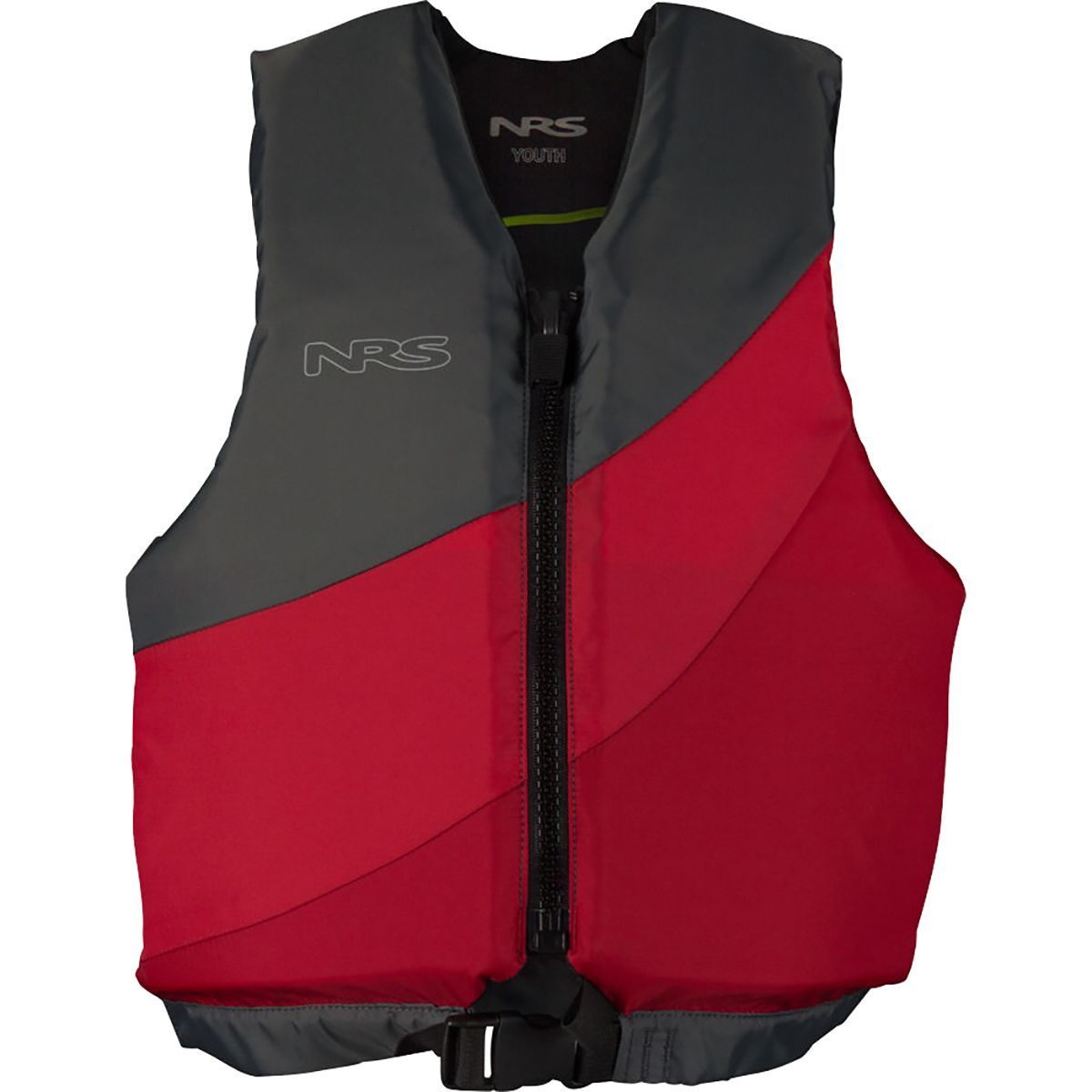
NRS Crew Personal Flotation Device - Kids'
The NRS Crew Youth PFD offers simplicity and reliability. High-quality foam provides extra safety for pool, shore swimming, or flat water boating. Great entry-level option for families.
- Type III PFD
- High-quality foam
- Simple design
- Affordable price
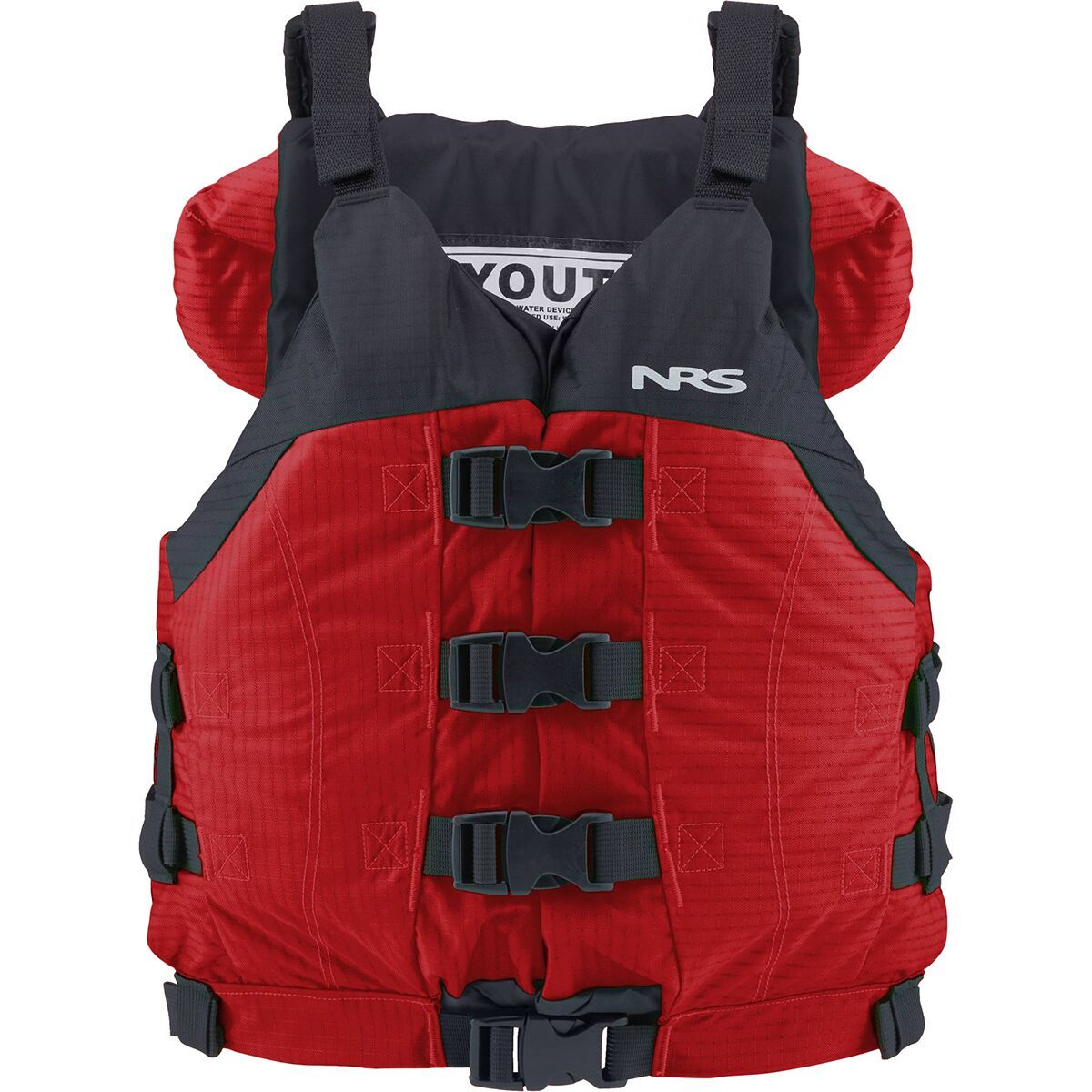
NRS Big Water V Personal Flotation Device - Kids'
High flotation jacket for serious waters. Used by rafting companies nationwide. Universal fit with six side and two shoulder adjustments. Type V jacket delivers 17 lbs of flotation.
- Type V - 17 lbs flotation
- 8 adjustment points
- Universal youth fit
- Commercial grade
Kids PFD Fit Guide
Proper Fit Test:
- 1.Buckle all straps and tighten snugly
- 2.Lift child by shoulder straps
- 3.PFD should NOT ride up above chin/ears
- 4.Child cannot slip out with arms raised
- 5.Test in shallow water before real use
Weight-Based Sizing:
- Infant (Type II):Under 30 lbs
- Child:30-50 lbs
- Youth:50-90 lbs
- Adult:90+ lbs
Important: Always choose PFD by weight, not age. A too-large PFD can slip off; too small won't provide adequate flotation. For kayaking and paddleboarding, Type III PFDs are standard for older kids, while Type II may be required for infants (though we don't recommend infants in kayaks).
Adult PFDs for Paddling
Parents need proper PFDs too! Kayaking-specific PFDs feature shorter torsos to avoid interference with the seat back, more mobility for paddling, and often include pockets for essentials. Model safe behavior by always wearing your PFD when your kids do.
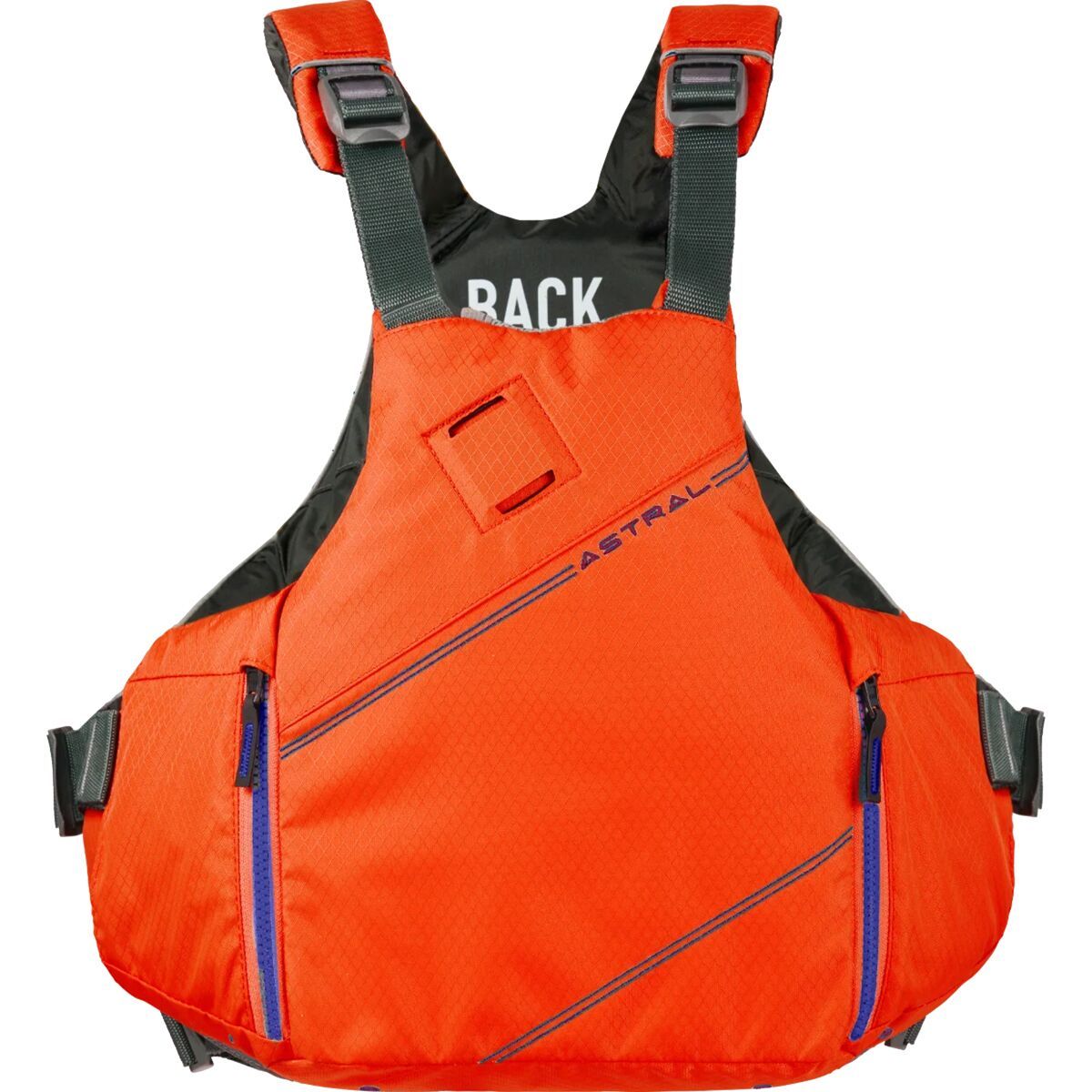
Astral YTV 2.0 Personal Flotation Device
Low-profile foam construction and racerback design enable full shoulder mobility. Streamlined pullover style eliminates snag points. Perfect for parents paddling with kids.
- Full shoulder mobility
- Pullover design
- Low-profile foam
- High visibility orange
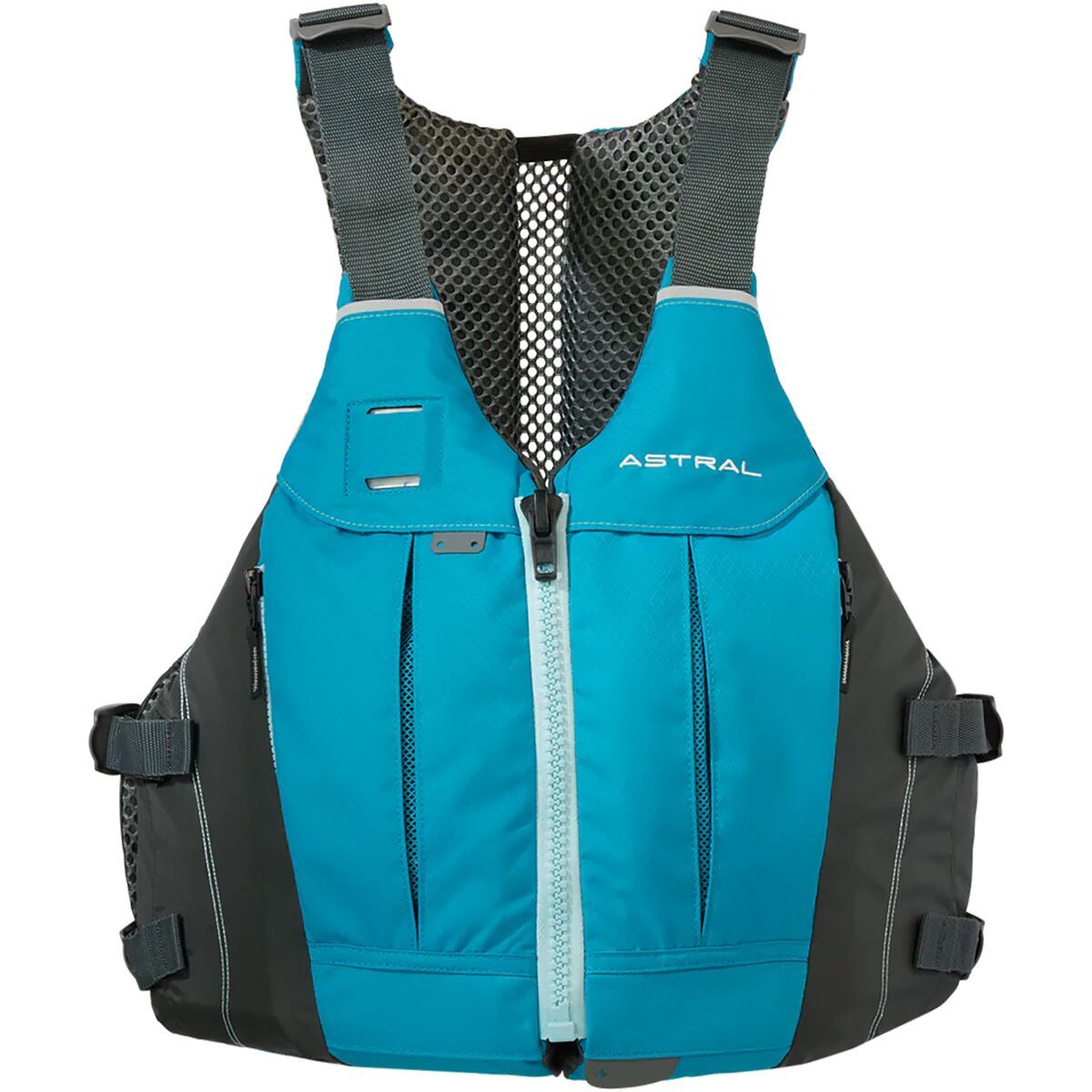
Astral E-Linda PFD
Built for long pulls around the lake or paddling out of tight spots. Comfortable life-jacket for daily water wear. Multi-use jacket puts comfort at a premium.
- All-day comfort
- Lake & river ready
- Stylish design
- Great value
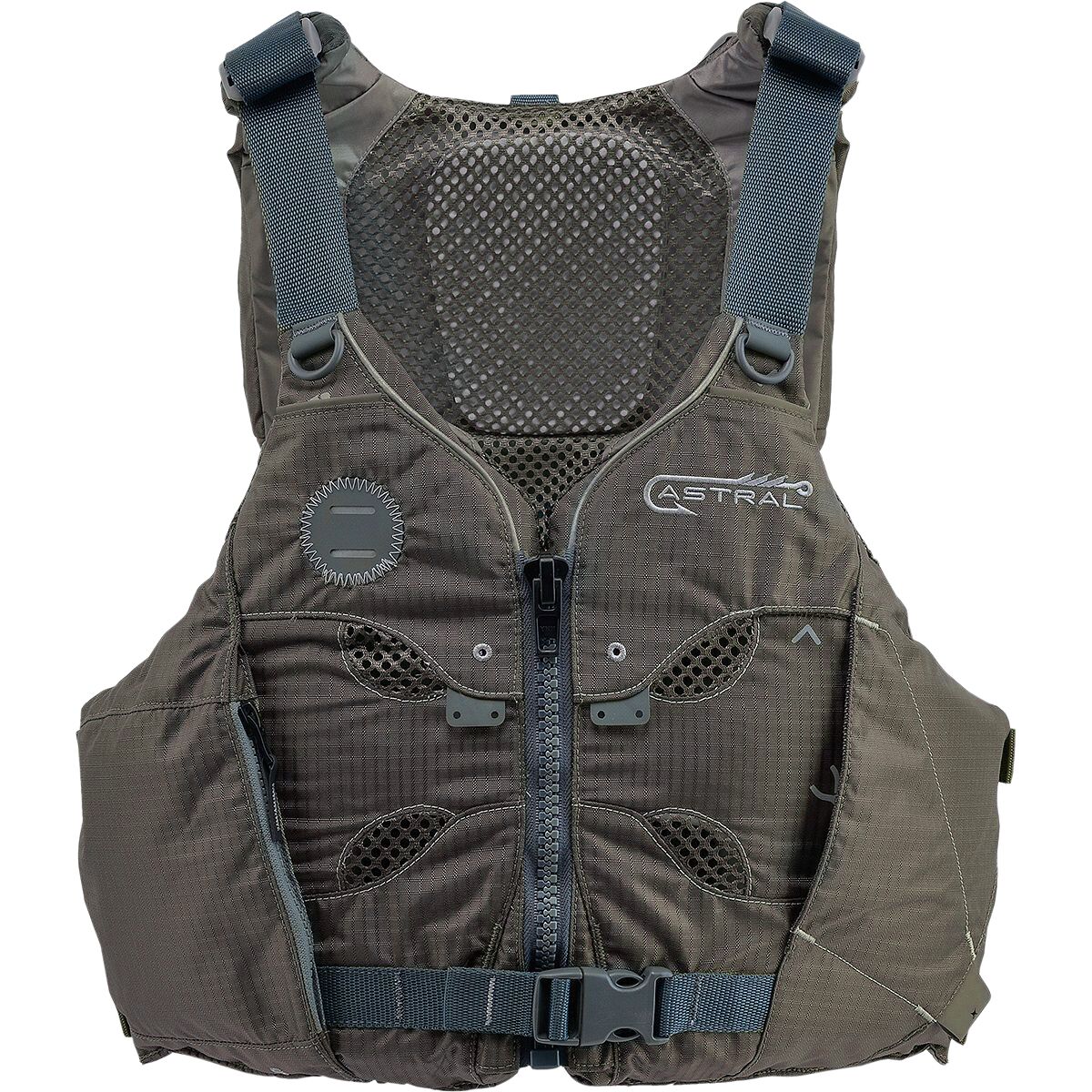
Astral V-Eight Fisher Personal Flotation Device
Airescape technology keeps you cool. Vent ports allow trapped body heat to escape. Soft EVA foam back panel cushions against kayak seat. Perfect for warm weather paddling.
- Airescape ventilation
- EVA foam back panel
- Mesh liner
- Fishing friendly
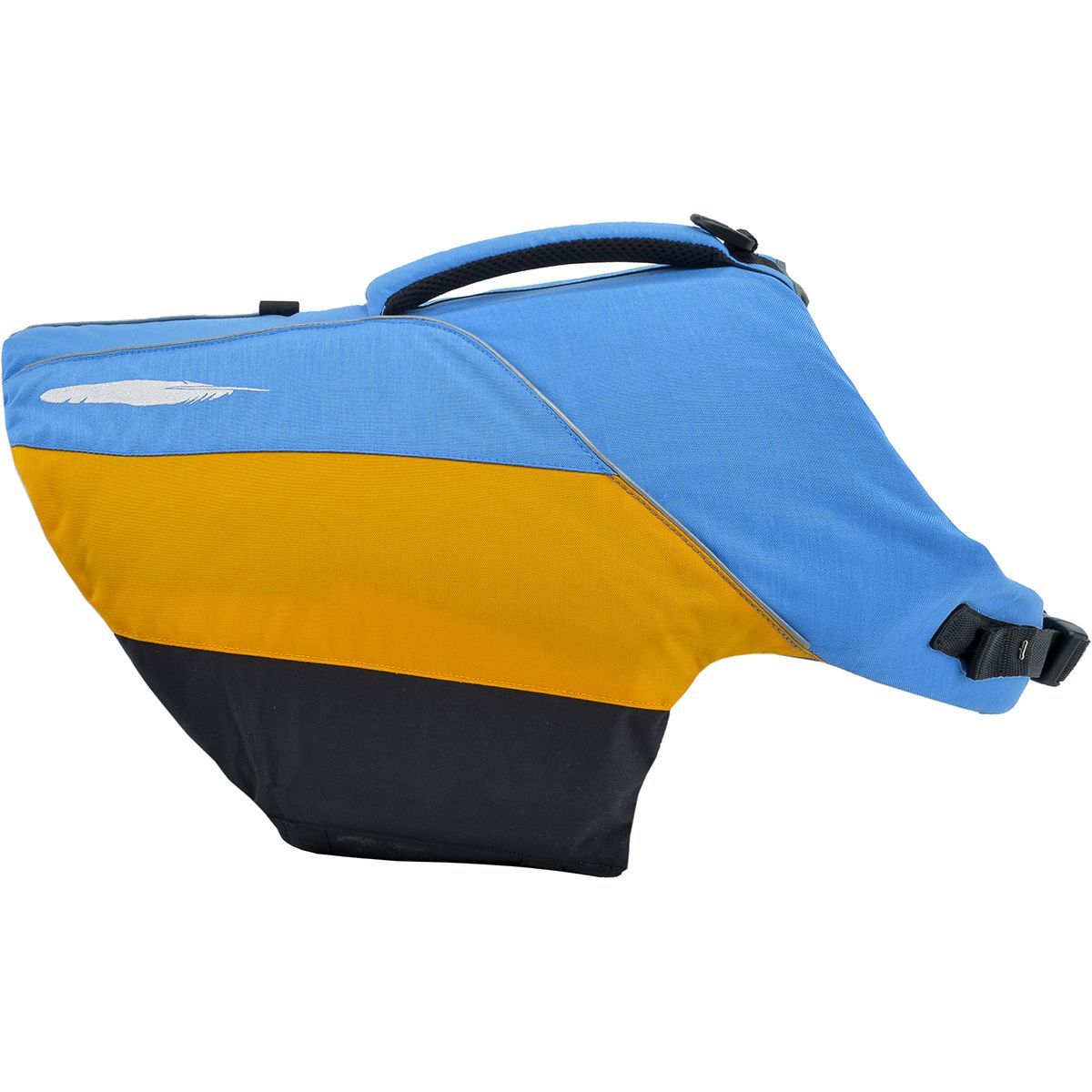
Astral Bird Dog Life Jacket - Dog
Don't forget the family dog! Hinged foam supports natural swim position. Padded grab handle for quick assists. Doubles as a harness at camp. River guide approved.
- Ergonomic foam
- Padded grab handle
- Reflective details
- Leash loop
Where to Kayak with Kids
Location choice is crucial for successful family paddling. Start with calm, protected waters and gradually introduce more challenging conditions as skills develop.
Best for Beginners
- Small Lakes & Ponds
Protected from wind, no current, easy to stay close to shore
- Protected Bays & Coves
Calm water tucked away from open water and boat traffic
- Slow-Moving Rivers
Gentle current, Class I water, no rapids or obstacles
- Marshes & Estuaries
Wildlife viewing, shallow protected waters, interesting terrain
Avoid with Beginners
- Open Ocean / Large Lakes
Waves, wind, currents, and distance from shore create serious risks
- Moving Water (Class II+)
Rapids, obstacles, and swift currents require skills and experience
- High Boat Traffic Areas
Motorboats create dangerous wakes and visibility issues
- Cold Water (<60°F)
Cold water immersion is dangerous; hypothermia risk is real
Finding Family-Friendly Paddle Spots
Resources:
- Local paddling clubs/groups
- Outfitter recommendations
- State park water trails
- Paddling.com launch finder
What to Look For:
- Easy launch access
- Restrooms nearby
- Shade at launch site
- Shallow water for practice
Check Before Going:
- Weather forecast
- Wind speed/direction
- Water temperature
- Water level/flow (rivers)
Teaching Kids to Paddle
The key to raising young paddlers is making it fun first, building skills second. Patience and positive experiences create lifelong paddlers.
First Lesson Essentials
Before Getting on Water:
- 1Practice PFD use on land, let them wear it around
- 2Show them the kayak/SUP on land, let them sit in it
- 3Practice paddle strokes with air paddling
- 4Discuss the plan: where you'll go, what you'll do
- 5Set expectations: staying in the boat, listening to instructions
On the Water:
- 1Start in knee-deep water, practice getting in/out
- 2Let them just sit and float at first (builds comfort)
- 3Introduce forward stroke: reach, catch, pull, recover
- 4Play games: paddle to the buoy, race to the lily pads
- 5Keep it SHORT, 30-45 minutes max for first outings
Basic Paddle Strokes for Kids
Forward Stroke
The most important stroke. Reach forward, place blade in water, pull past hip, recover.
Tip: "Dig, pull, lift!" works as a rhythm for kids
Stopping/Reverse
Push paddle forward through water (opposite of forward stroke). Also used to go backwards.
Tip: Practice emergency stops early
Sweep Turn
Wide arcing stroke from front to back turns the boat. Sweep on right to turn left.
Tip: "Draw a big smile in the water!"
Making Paddling Fun for Kids
- Bring snacks and make a picnic destination
- Look for wildlife: birds, turtles, fish
- Plan swimming breaks at safe spots
- Bring a waterproof camera for photos
- Race to landmarks or play follow-the-leader
- End before they're tired, leave them wanting more
- Celebrate achievements and efforts
- Let them splash (within reason)!
Equipment Recommendations
Quality equipment makes family paddling safer, more comfortable, and more enjoyable. Here are our recommended kayaks and accessories from trusted brands.
Family-Friendly Kayaks & Rafts
Quality inflatable kayaks and rafts offer the best combination of performance, storage convenience, and value for families. These durable boats from Aire handle everything from calm lakes to moderate whitewater.
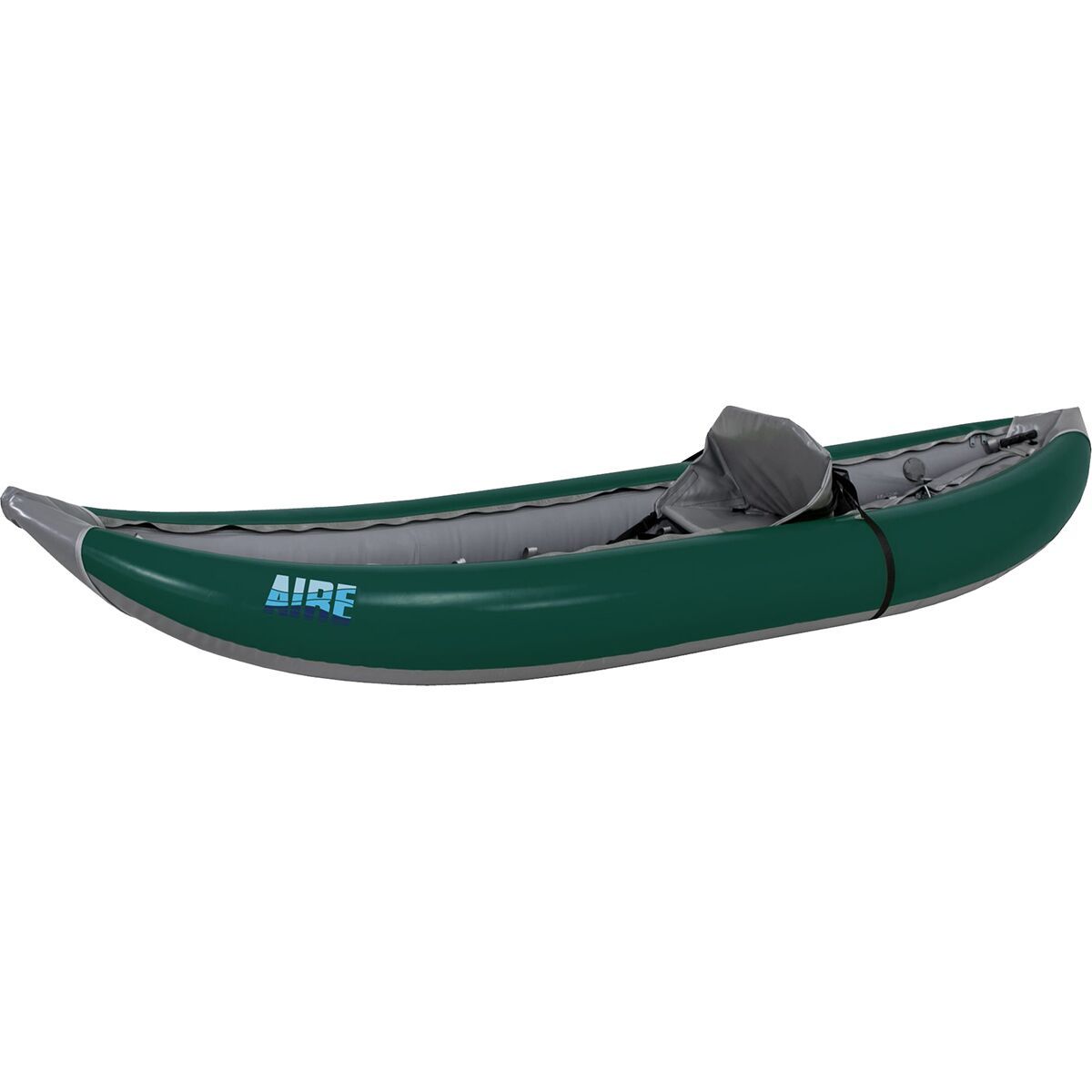
Aire Lynx I Inflatable Kayak
Versatile boat designed for all water conditions. Moves with feline finesse through Class III rapids and calm lakes alike. PVC tubes with AireCell chambers. Perfect for parents wanting their own boat.
- Class III capable
- Stable design
- AireCell chambers
- Leafield B7 valves
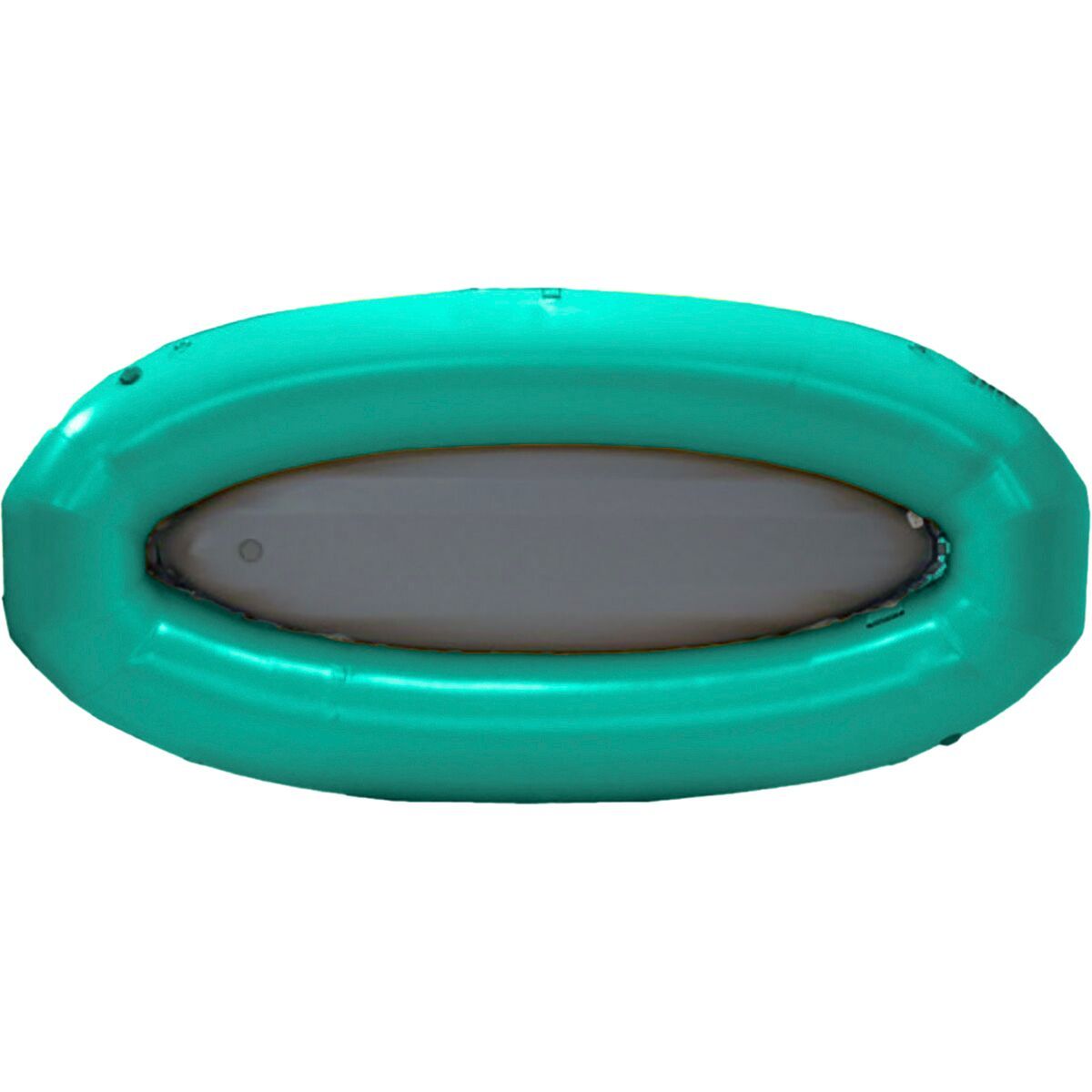
Aire Cub Raft
10ft 7in raft perfect for 2-3 paddlers including kids. Thrives in narrow, sporty whitewater with 7in rise in bow and stern. Self-bailing floor. 10-year warranty.
- 10ft 7in length
- Self-bailing floor
- Nimble & maneuverable
- 10-year warranty
Paddling Footwear
Proper water shoes protect your feet on rocky launches, provide grip on wet surfaces, and dry quickly. Astral shoes are designed specifically for paddlers and are trusted by river guides worldwide.
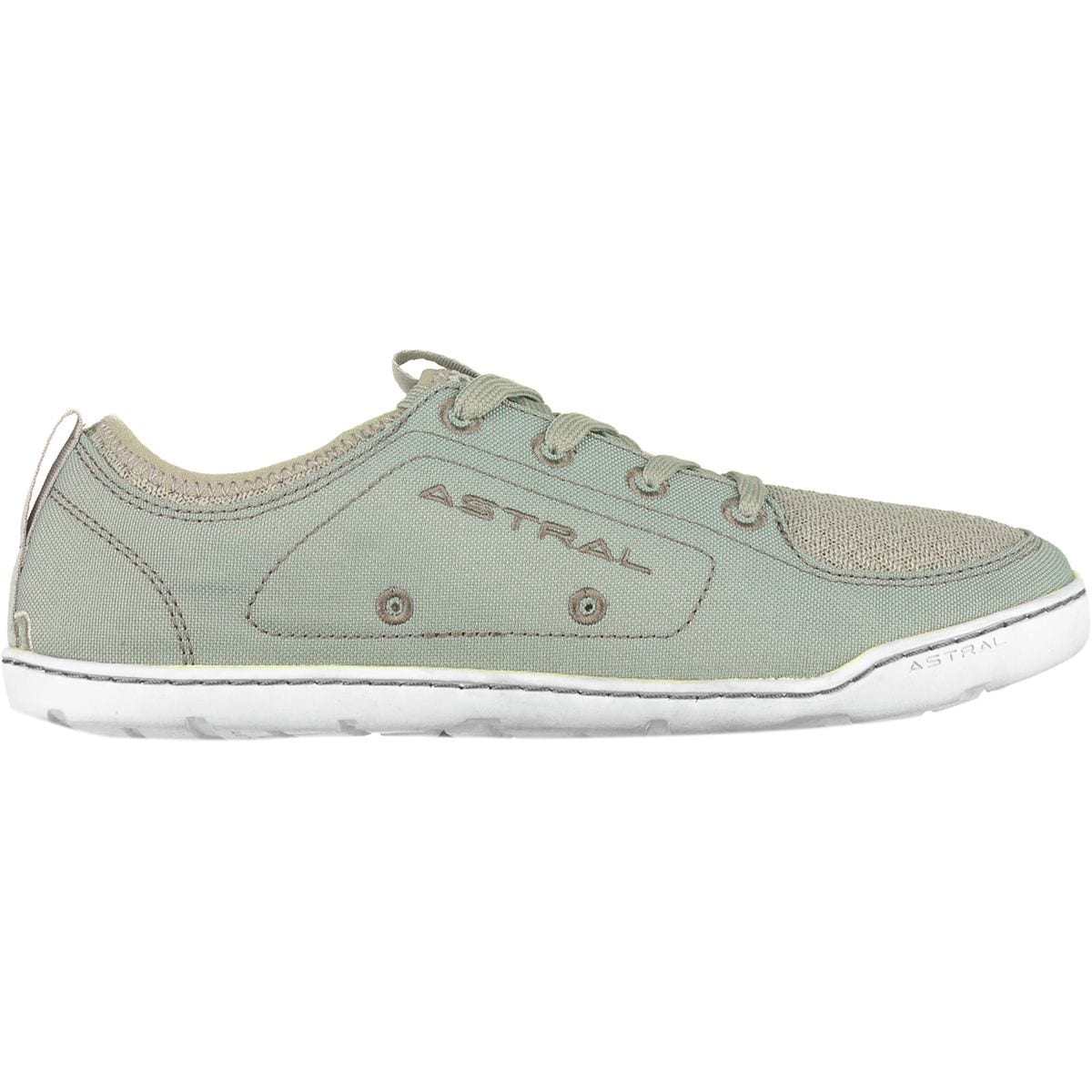
Astral Loyak Water Shoe - Women's
Transitions perfectly from boat ramp to camp. Canvas uppers dry fast and G.15 rubber sole grips wet rocks and slippery decks. Hydrophobic canvas sheds spray.
- Hydrophobic canvas
- Flex-Grip sole
- Quick-dry
- Wet surface traction
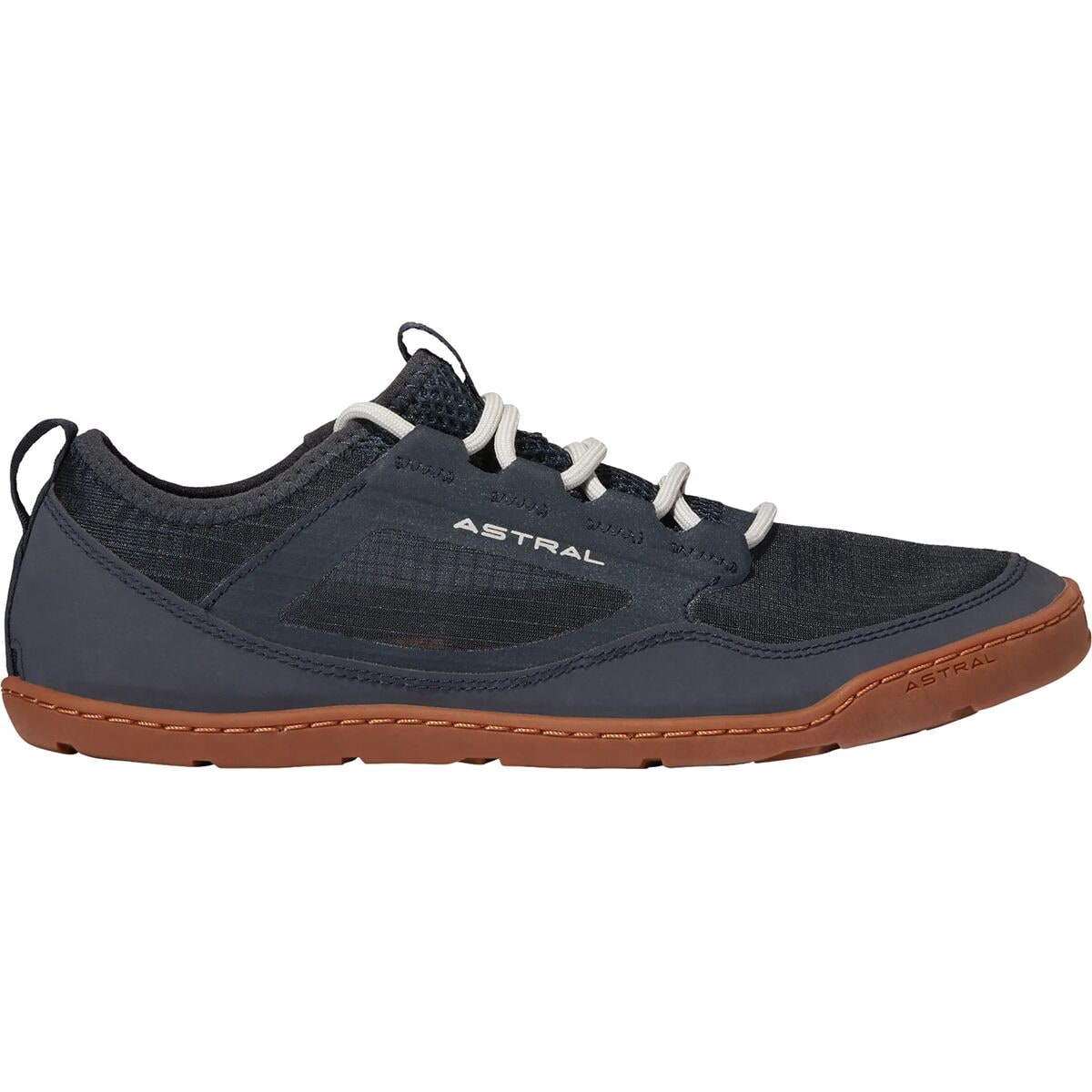
Astral Loyak AC Water Shoe - Women's
Ready for all on-water adventures from SUP to sailing. Lightweight, breathable materials with water drainage. Premium grip on wet boat decks.
- Breathable design
- Water drainage
- Premium grip
- Lightweight
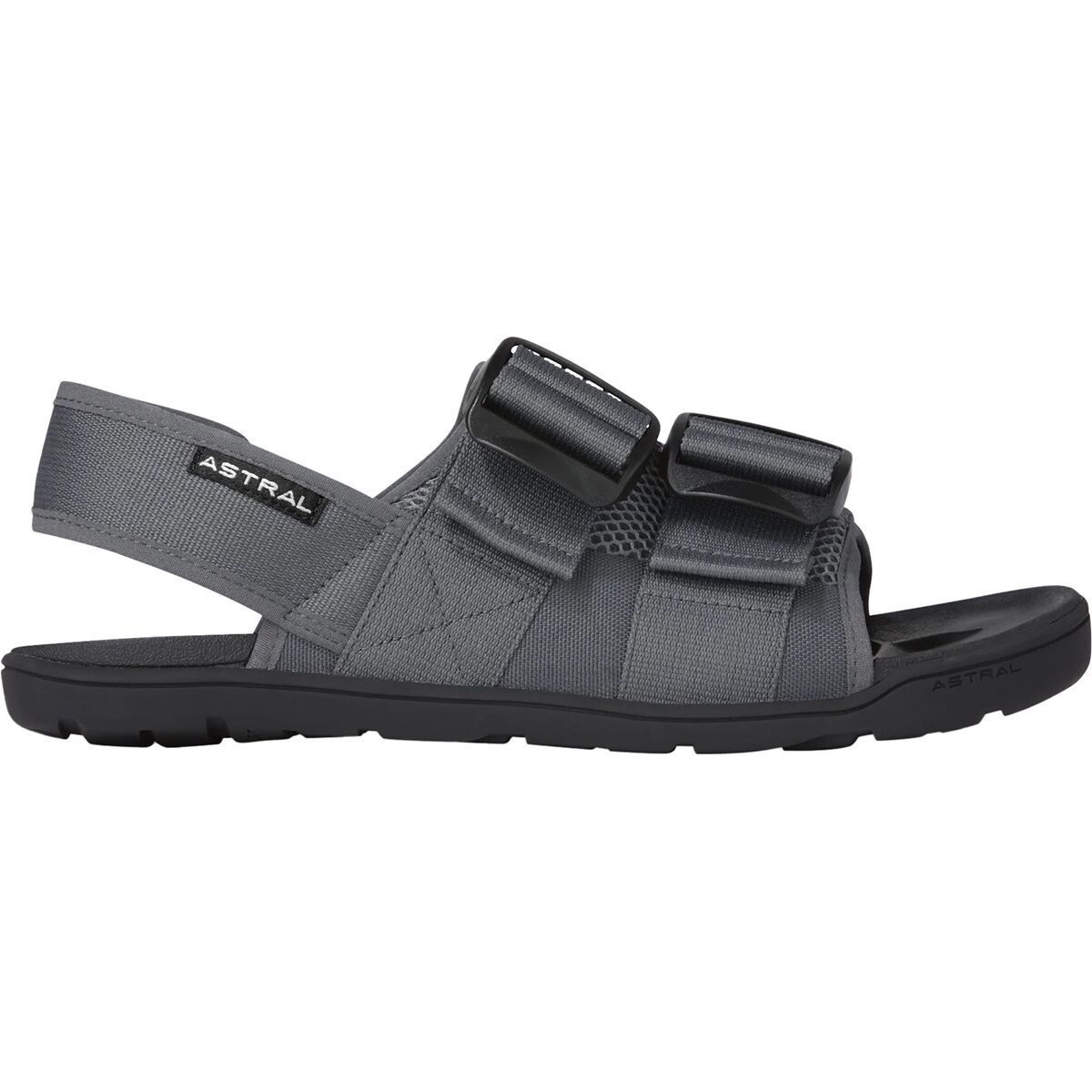
Astral PFD Sandal - Men's
Recommended and worn by river guides everywhere. Excellent adjustability for performance or comfort. Flex Grip outsole effortlessly grips wet terrain.
- Flex Grip outsole
- Adjustable fit
- Wet terrain grip
- Guide approved
Family Kayaking Packing Checklist
Safety Essentials
- Coast Guard approved PFDs (all)
- Whistle (attached to PFD)
- First aid kit
- Paddle leash
- Phone in waterproof case
Comfort Items
- Sunscreen SPF 30+
- Sun hats
- Sunglasses with strap
- Water shoes/sandals
- Dry clothes for after
Food & Hydration
- Water bottles (insulated)
- Snacks in dry bag
- Lunch for longer trips
- Trash bag (pack it out)
- Electrolytes for hot days
Essential Safety Tips
The Non-Negotiables
- Everyone wears a PFD, no exceptions, no matter how well they swim
- Check weather before launching, wind, storms, and cold fronts change quickly
- File a float plan, tell someone where you're going and when you'll return
- Stay within your skill level, calm water only until everyone is proficient
- Never paddle alone with kids, always have another adult or group
- Know cold water dangers, hypothermia can occur in water under 70°F
Weather & Conditions
Wind
- Under 10 mph: Ideal
- 10-15 mph: Challenging
- 15+ mph: Stay home
- Paddle INTO wind first
Temperature
- Air + Water = 120°+ safe
- Cold water = wetsuits
- Hot days = extra water
- Seek shade during breaks
Storms
- Check forecast morning of
- Watch for building clouds
- Lightning = get off water
- Have a backup plan
What to Do If You Capsize
- 1Stay calm, your PFD will keep you floating. Don't panic.
- 2Stay with the boat, it floats and is easier to spot than a swimmer.
- 3Grab the paddle, reach for it if within arm's length.
- 4Re-board or swim to shore, sit-on-tops are easy to remount; sit-insides may require swimming to shallow water.
- 5Practice capsize recovery, do it intentionally in calm, shallow, warm water before you need to do it in an emergency.
Frequently Asked Questions
What age can a child sit in the front of a kayak?
Most children can safely ride in a tandem kayak starting around age 3-4, provided they have a properly fitted PFD, can follow basic instructions, and conditions are calm. Always use the center seat position (if available) rather than the front cockpit for younger kids, as it provides more stability and keeps them within arm's reach.
Is kayaking or SUP better for kids?
Both are excellent! SUPs are generally easier for kids to learn because they can kneel, sit, or stand, and falling off isn't a big deal. Kayaks provide more stability and protection from spray. For younger kids (under 6), having them ride on a SUP with an adult is often easiest. For kids 6+, try both and see what they prefer.
How do I choose the right paddle size for my child?
For kayak paddles, a general rule is paddle length should be about 20" taller than the child. For SUP paddles, the handle should reach their wrist when standing with arm raised overhead. Adjustable paddles are ideal for growing kids. Look for lightweight materials (under 2 lbs for kids) so they don't tire quickly.
Do kids really need a paddle-specific PFD?
Any Coast Guard approved Type III PFD for the child's weight range will work for recreational paddling. However, paddle-specific youth PFDs like the Astral Otter 2.0 are designed with larger arm openings for paddling motion, leg loops to prevent riding up, and grab handles for rescue situations, making them worth the investment for regular paddlers.
Should kids wear helmets while kayaking?
For calm flatwater paddling, helmets are generally not necessary. However, helmets should be worn in any moving water (rivers with current), around rocky areas, or for whitewater kayaking of any level. When in doubt, a helmet adds safety without downside. Use a water sport helmet designed for impact, not bike helmets.
How long can kids kayak before getting tired?
For beginners: plan for 30-60 minutes on the water. Kids 6-10 with some experience can handle 1-2 hours with breaks. Experienced pre-teens can paddle 2-3 hours. Always watch for signs of fatigue, boredom, or cold, and be willing to cut trips short. It's better to end early and leave them wanting more!
Can I bring my dog kayaking with kids?
Yes, with preparation! Dogs should also wear a PFD (like the Astral Bird Dog), be comfortable around water, and be trained to stay calm in the boat. Introduce dogs and kids to kayaking separately before combining them. Sit-on-top kayaks and SUPs work best as dogs can get on/off more easily. Extra stability is important, a tandem kayak or large SUP is ideal.
Related Guides
Ready to Get Your Family on the Water?
Shop PFDs, kayaks, and paddling gear at Backcountry. New customers get 15% off their first order.
Shop Family Paddling GearAffiliate Disclosure: ParentCalc may earn a commission from purchases made through links on this page at no additional cost to you. We only recommend products we believe in. Prices and availability are subject to change.