Best Kids Sleeping Pads Guide 2026
Everything parents need to know about choosing sleeping pads for family camping - from R-values and pad types to sizing and combo systems
2026 Product Picks
Our latest product roundups related to this guide:

Therm-a-Rest Z Lite SOL Sleeping Pad
The classic closed-cell foam pad with a heat-reflective layer for extra warmth. Indestructible, fast to set up, and perfect for kids who are rough on gear. Same fast fold, same durable foam - just a t...
- Heat-reflective
- Ultralight
- Fast fold
- Indestructible
Why Sleeping Pads Matter More Than You Think
Many camping parents focus on sleeping bags and overlook sleeping pads - but a sleeping pad is actually more important for keeping your child warm and comfortable through the night.
Here's why: your sleeping bag only insulates you from the cold air above. When you lie on the ground, you compress the insulation beneath you, creating a direct path for body heat to escape into the cold earth. Even on a summer night, the ground is significantly colder than air temperature and conducts heat away from your body much faster than air does.
For children, this is even more critical. Kids have a higher surface-area-to-weight ratio than adults, meaning they lose body heat faster. They also tend to sleep more actively, potentially rolling off inadequate pads or kicking off covers. A quality sleeping pad provides the insulation and comfort needed for your child to sleep soundly through the night.
What a Sleeping Pad Does for Your Child
- Insulates from cold ground (more important than sleeping bag in many conditions)
- Cushions against rocks, roots, and uneven terrain
- Creates a defined sleeping space
- Can integrate with sleeping bags for secure sleep
- Provides comfortable surface for reading, playing
- Can serve as emergency insulation or seating
R-Values Explained: Understanding Pad Warmth
R-value measures a sleeping pad's resistance to heat transfer - essentially, how well it insulates you from the ground. The higher the R-value, the warmer the pad. This is a standardized measurement (ASTM F3340-18) that allows you to compare pads from different manufacturers.
Key insight: R-values are additive. If you place a foam pad (R-2.0) under an air pad (R-3.5), you get a combined R-value of 5.5. This is a common backpacking strategy and works great for kids in cold weather - the foam pad also protects the air pad from punctures.
R-Value Guide: How Warm Is Warm Enough?
R-value measures a sleeping pad's ability to insulate you from the cold ground. Higher numbers mean more insulation. For kids, choose a pad with an R-value 0.5-1.0 higher than you would for adults since children lose heat faster.
Important: R-values are additive! You can stack a foam pad (R-2.0) under an air pad (R-3.5) for a combined R-5.5 in cold weather.
Summer Camping
For warm summer nights above 50F, an R-value of 2.0 or higher works well. Foam pads are perfect for this - light, cheap, and indestructible.
3-Season Camping
For spring through fall camping when temps can drop to 35F, aim for R-value 3.0-4.0. Most quality inflatable pads fall in this range.
Cold Weather
For temperatures below 35F, you need R-value 4.0 or higher. Consider stacking pads for extreme cold - foam under air gives protection and warmth.
Types of Sleeping Pads: Foam, Air, and Self-Inflating
Sleeping pads come in three main types, each with distinct advantages for family camping. Understanding the tradeoffs helps you choose the right pad for your child's needs and your camping style.
Sleeping Pad Types Compared
Closed-Cell Foam
Pros
- Indestructible - no punctures
- Ultralight
- No setup - just unfold
- Very affordable
Cons
- Less cushioning
- Lower R-values
- Bulky to pack
Best for kids: Rough handlers, backpacking, backup pad
Air/Inflatable
Pros
- Most comfortable
- Packs smallest
- Higher R-values available
- Adjustable firmness
Cons
- Can puncture
- Requires inflation
- Can be noisy
Best for kids: Backpacking, careful handlers, comfort-focused
Self-Inflating
Pros
- Open valve, pad inflates
- Good balance of comfort
- More puncture resistant
- Stable sleeping surface
Cons
- Heavier than air pads
- Larger pack size
- Can still puncture
Best for kids: Car camping, easy setup, durability + comfort
Best Foam Sleeping Pads for Kids
Closed-cell foam pads are the workhorse of the camping world and arguably the best choice for younger children. They're impossible to puncture, require zero setup, and can handle any abuse your child throws at them. The small size of the Z Lite SOL is actually perfect for kids - lighter weight and properly sized.
The main tradeoff is less cushioning than air pads. However, kids often don't mind this as much as adults, and the durability means you'll never have a deflated pad emergency at 2am.
Therm-a-Rest Z Lite SOL Sleeping Pad
The classic closed-cell foam pad with a heat-reflective layer for extra warmth. Indestructible, fast to set up, and perfect for kids who are rough on gear. Same fast fold, same durable foam - just a touch warmer for shoulder season camping.
- R-Value: 2.0
- Type: Closed-cell foam
- Heat-reflective layer
- Indestructible foam
- Accordion fold design
- Ultralight at 10oz
Why Foam is Great for Kids
- Completely indestructible - no punctures, ever
- Zero setup - just unfold and lie down
- Works as a play mat, sit pad, or emergency insulation
- Most affordable option at under $50
Best Inflatable/Air Sleeping Pads
Air pads offer the best comfort-to-weight ratio, making them ideal for backpacking families and comfort-focused car campers. Modern air pads are remarkably durable and include insulation for warmth. The main considerations for kids are teaching them to be careful (no jumping!) and ensuring you have a repair kit just in case.
For kids, look for pads with quiet surfaces (some are crinkly), stable baffle designs that prevent rolling off, and appropriate R-values for your camping conditions.
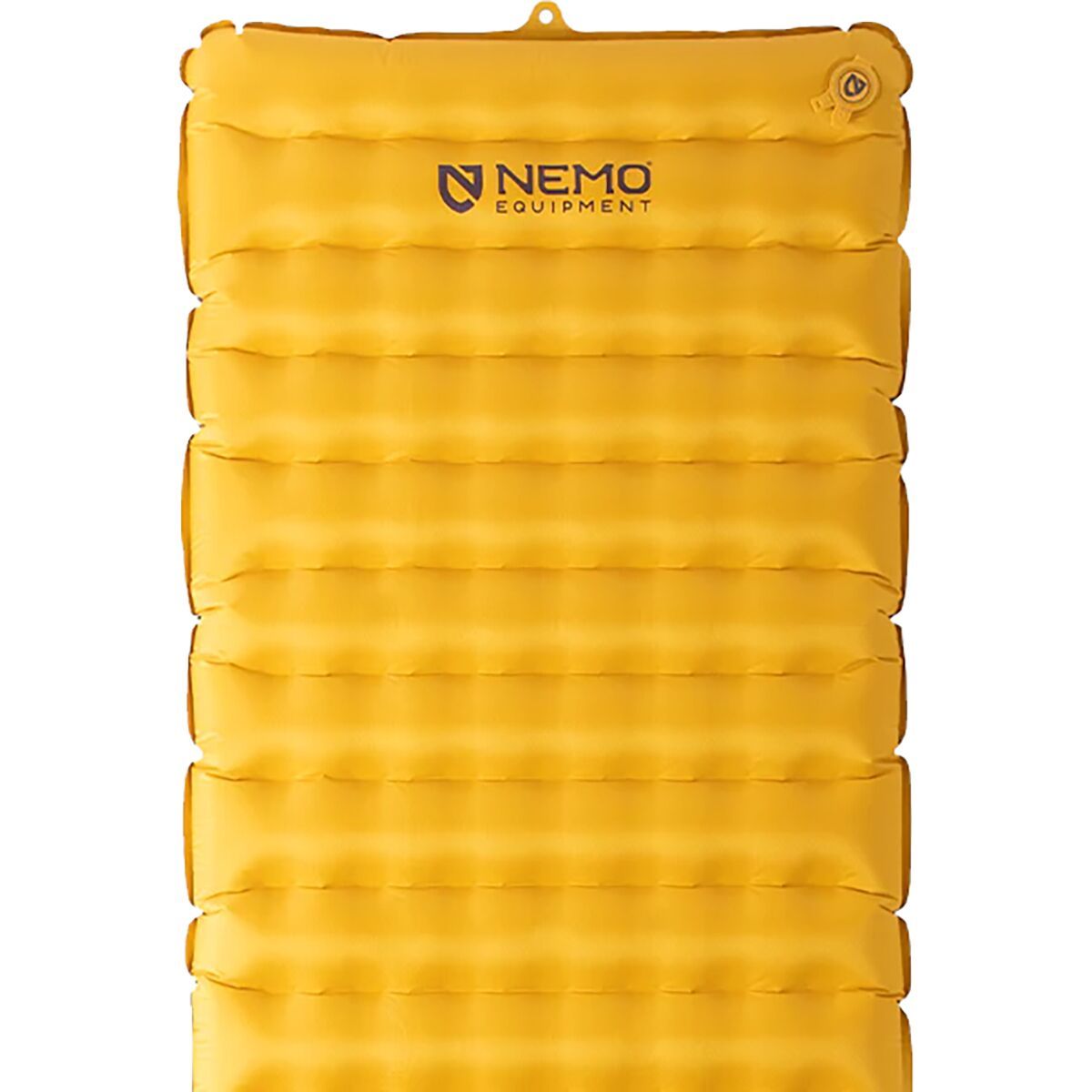
NEMO Equipment Tensor Trail Sleeping Pad
Lightweight sleeping pad with stable baffles and a low-noise surface for restless sleepers. Efficient insulation takes the edge off cool nights. Packs tiny for backpacking - about the size of a 32oz water bottle.
- R-Value: 3.5
- Type: Inflatable
- Quiet low-noise surface
- Stable baffles prevent sliding
- Quick inflation
- Packs very small

NEMO Equipment Tensor All-Season Sleeping Pad
Extends your camping calendar with heat-reflective tech for reliable insulation across cool-to-cold trips. Inflates quickly and stays quiet when rolling over - perfect for active sleepers.
- R-Value: 4.2
- Type: Inflatable
- Heat-reflective technology
- Quiet when rolling
- All-season warmth
- Stable baffle design
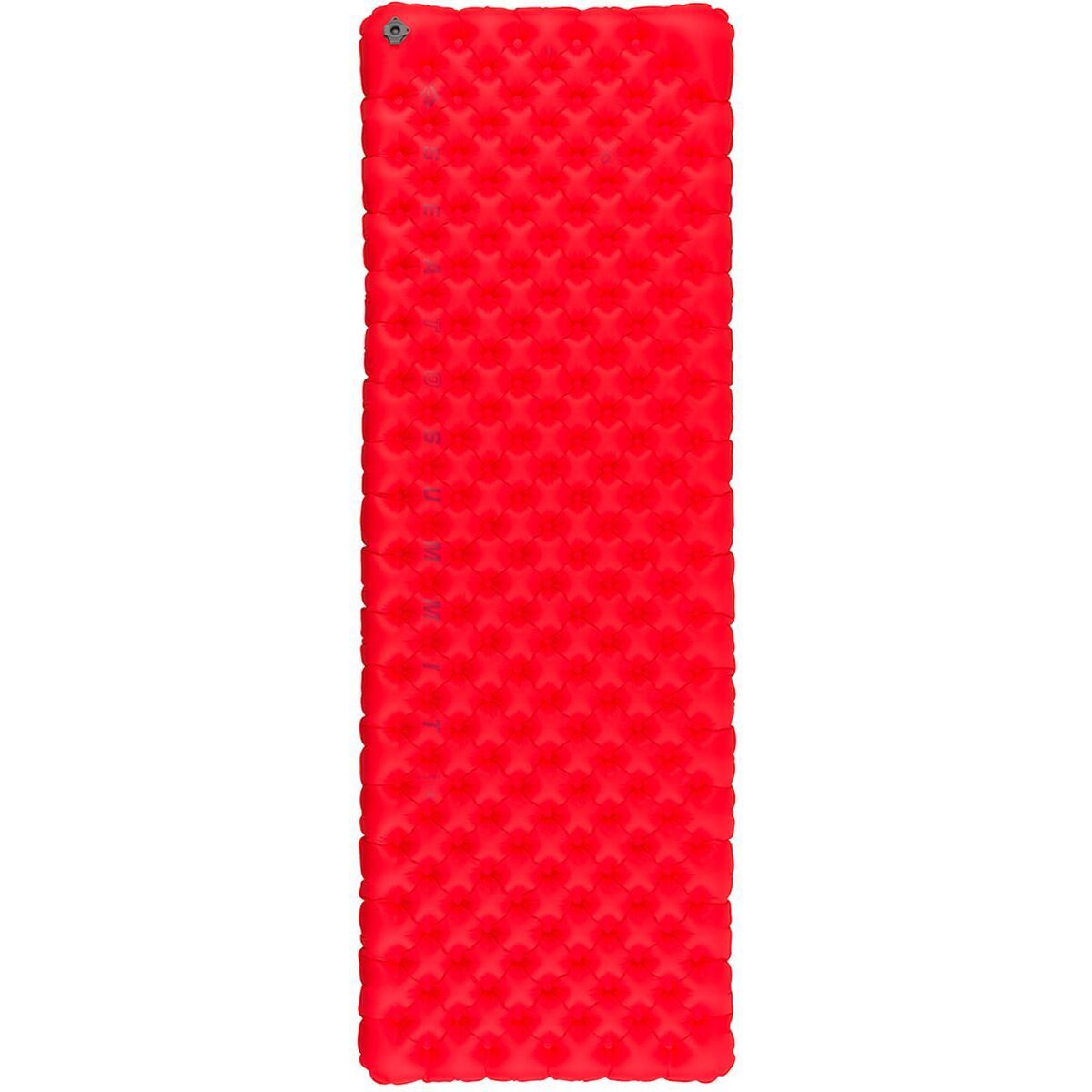
Sea To Summit Comfort Plus XT Insulated Sleeping Pad
The Sea to Summit Comfort Plus XT truly emphasizes comfort with its dot-weld pattern construction that spreads out pressure for relief on uneven terrain. Specially crafted insulation reflects and traps heat for warmer nights.
- R-Value: 4.1
- Type: Inflatable
- Dot-weld pressure relief
- Heat-reflective insulation
- Regular wide size
- Premium comfort
Tips for Air Pads with Kids
- Teach kids to check the area for sharp objects before laying out pad
- Always bring a patch kit (most pads include one)
- Consider using a foam pad underneath for protection and added warmth
- Look for "quiet" or "low-noise" surfaces for restless sleepers
Hybrid and Self-Inflating Pads
Self-inflating pads combine an open-cell foam core with an air chamber. Open the valve, and the foam expands, drawing in air automatically. Top off with a few breaths if needed. These pads offer good comfort, are more puncture-resistant than pure air pads, and are easier to set up than air pads.
Hybrid designs like the Klymit Klymaloft take this further, combining air chambers with a foam topper for premium comfort. These are excellent for car camping where weight doesn't matter.
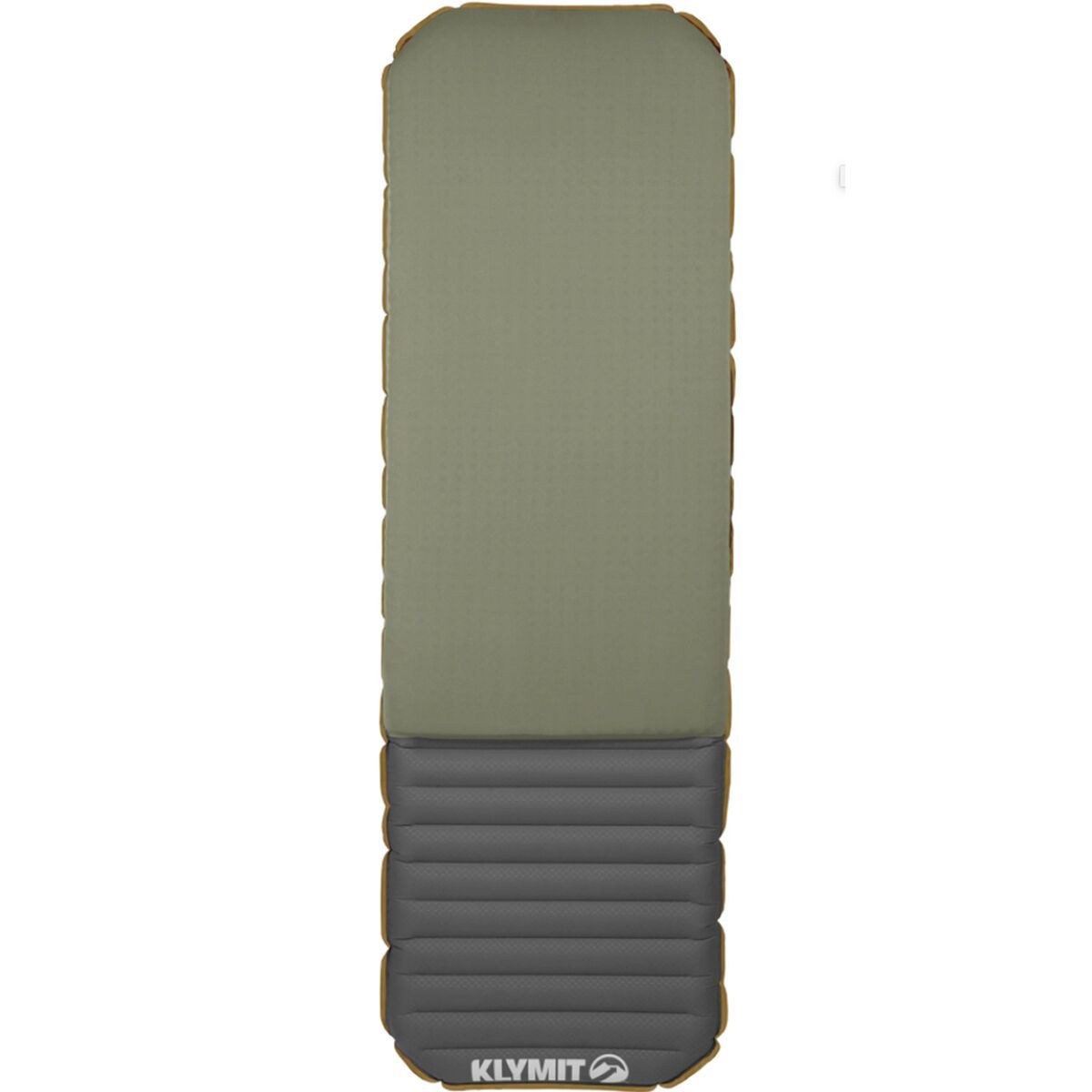
Klymit Klymaloft Sleeping Pad - Double
Finding balance in being compact yet comfortable, this pad features inflatable air chambers with a foam topper for ultimate support. Double size is perfect for parent and child or two kids sharing.
- R-Value: 3.2
- Type: Hybrid (Air + Foam)
- Air chambers + foam topper
- Double wide size
- Compact when packed
- Great for co-sleeping
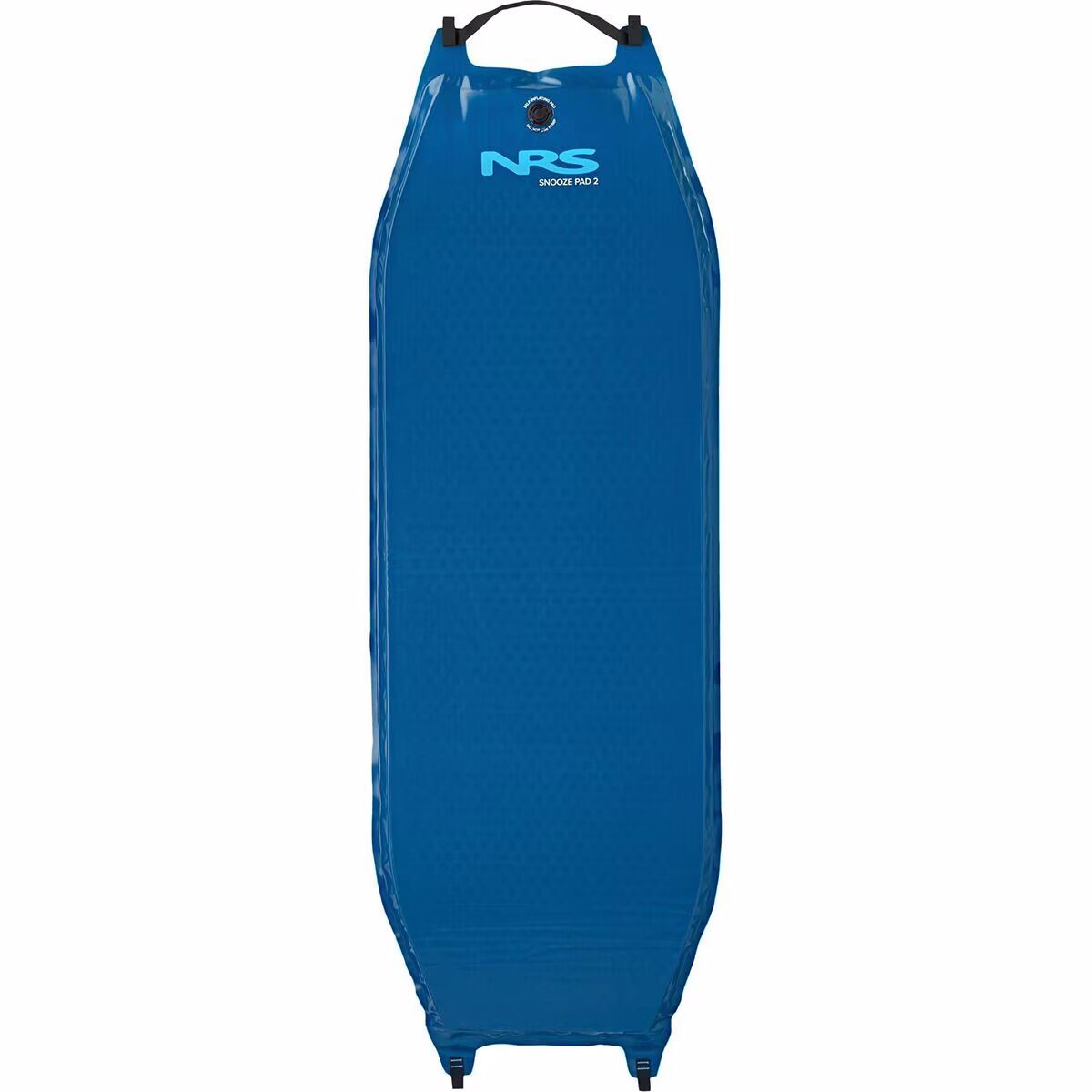
NRS Snooze Pad - 2in
More than just a sleeping pad - this versatile piece of gear can become a river floatie or cooler insulation. Rugged waterproof nylon construction quickly self-inflates and offers plenty of soft cushion.
- R-Value: 3.0
- Type: Self-inflating
- Self-inflating design
- Waterproof nylon shell
- Doubles as float/seat
- Very durable
Self-Inflating Pad Benefits
- Open valve and pad inflates itself - great for teaching kids
- More puncture-resistant than pure air pads
- Stable sleeping surface that doesn't feel "bouncy"
- Great for car camping comfort
Premium Car Camping Pads
For families who car camp frequently and want home-like comfort, premium pads deliver an exceptional sleeping experience. These are heavier and bulkier than backpacking options, but when comfort is the priority and weight doesn't matter, they can transform your camping experience.
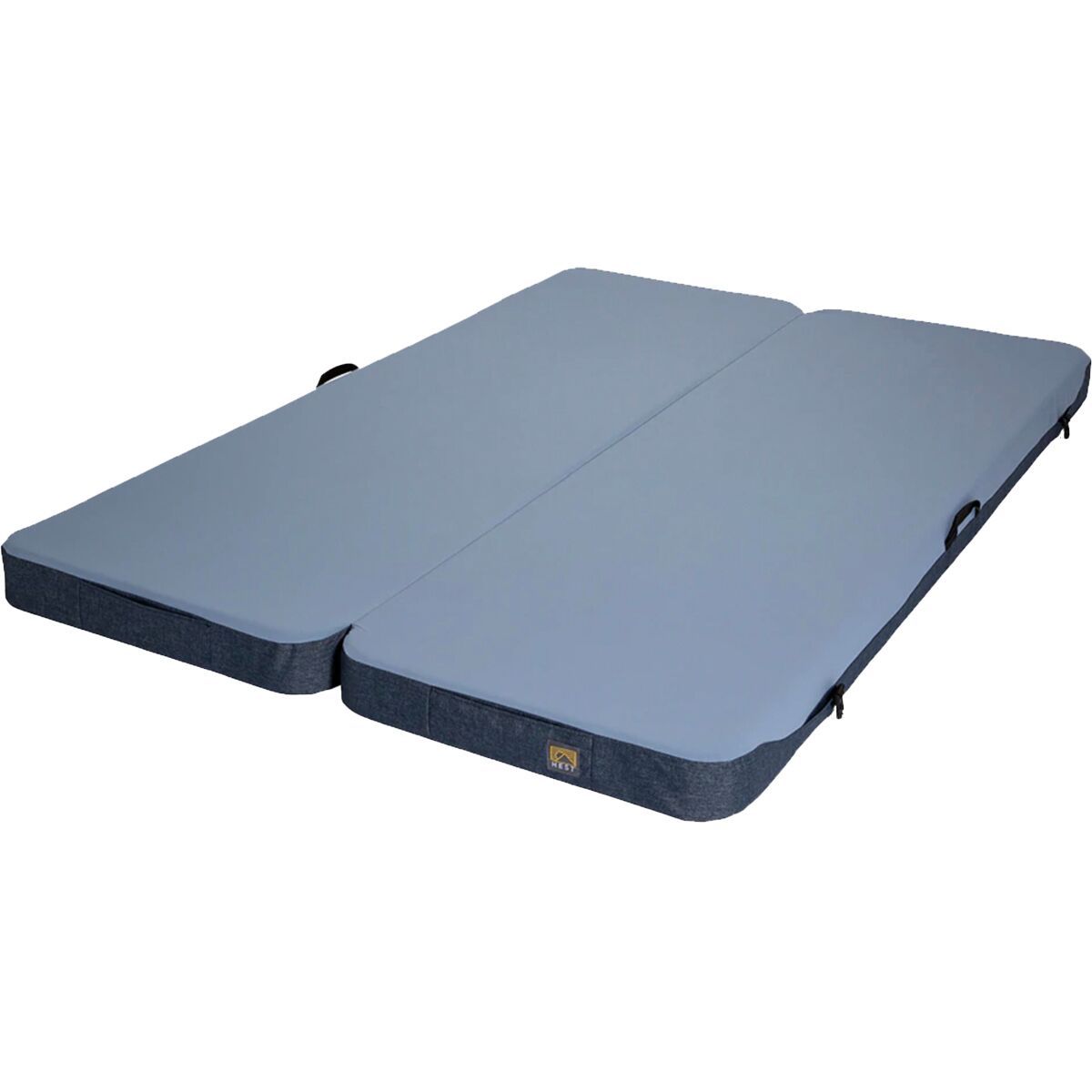
HEST Dually Sleeping Pad - Long
Two layers of memory foam offer homey comfort that keeps everyone sleeping tight throughout the night. Double-wide size lets you cozy up with a partner or a pup, and its folding shape comes together seamlessly.
- R-Value: 6.0
- Type: Memory foam
- Dual memory foam layers
- Double-wide size
- Home-like comfort
- Folds compactly
Sleeping Pad Sizing for Kids
Most sleeping pads are designed for adults, but the standard "Regular" size works well for kids once they're about 10 years old (around 5 feet tall). For younger children, look for "Small" or "Short" sizes, or consider that a too-long pad can be folded for extra cushioning.
Width matters too - a pad that's too wide creates cold spots your child's body must warm. The standard 20" width works for most kids; go wider only if they're very active sleepers.
Sleeping Pad Sizing for Kids
| Age Range | Child Height | Recommended Pad Size | Notes |
|---|---|---|---|
| 3-6 years | Up to 42" | Small/Youth (47-48") | Look for youth-specific pads |
| 6-10 years | 42-52" | Regular Short (66")) | Small adult pads work well |
| 10-14 years | 52-64" | Regular (72") | Standard adult size |
| 14+ years | 64"+ | Regular or Long | Full adult sizing |
Pro Tip: A pad that is slightly too long is better than too short. Extra length can be folded under for more cushioning under the head or torso. Avoid pads much wider than needed - extra space means cold spots.
Sleeping Bag + Pad Combo Systems for Kids
One of the biggest challenges with kids and sleeping pads is them rolling off during the night. Several manufacturers have created integrated systems that solve this problem.
Pad Sleeve Systems
Many kids sleeping bags (like the Big Agnes Little Red and Wolverine) feature a full-length sleeve on the bottom that your sleeping pad slides into. This keeps kids attached to their pad all night.
- Prevents rolling off
- No cold spots underneath
- Works with any pad shape
Integrated Sleep Systems
Some premium options come as complete sleep systems where the bag attaches directly to the pad via straps or clips. These offer the most secure connection.
- Most secure attachment
- Optimized warmth
- Limited to matching brands
Our recommendation: For kids under 10, prioritize sleeping bags with pad sleeves. The Big Agnes kids sleeping bags we recommend in our sleeping bags guide all feature this system.
Car Camping vs Backpacking: Different Needs
Car Camping
Weight and size don't matter
When you can drive right up to your campsite, prioritize comfort and durability over weight. Self-inflating pads, thick foam, and even air mattresses work great.
Recommended Features
- Thickness: 2-4 inches for comfort
- Self-inflating or air mattress
- Wide sizes for co-sleeping
- R-value 3.0+ for versatility
Backpacking
Every ounce counts
When hiking to camp, weight and pack size become critical. Air pads and closed-cell foam are preferred. Kids' pads are already lighter, but still choose carefully.
Recommended Features
- Weight: Under 1 lb ideal
- Air pad or closed-cell foam
- Mummy shape saves weight
- Pack size: Water bottle or smaller
Family Hack: Many families keep two sets of pads - thick comfortable ones for car camping, and lightweight options for backpacking. For kids, a Z Lite SOL foam pad works for both and is nearly indestructible.
Durability and Care Tips for Kids' Sleeping Pads
Protecting Air Pads from Punctures
- Always use a ground cloth or tent footprint
- Clear tent floor of debris before laying out pad
- Layer a foam pad underneath for extra protection
- Teach kids to avoid jumping on inflated pads
- Always pack a repair kit (most pads include one)
Storage and Maintenance
- Store self-inflating pads unrolled with valve open
- Air pads can be stored rolled in their stuff sack
- Clean with mild soap and water, air dry completely
- Keep away from heat sources and direct sunlight
- Check valves periodically for debris
For rough handlers: If your child tends to be hard on gear, consider starting with a closed-cell foam pad like the Z Lite SOL. They're literally indestructible and kids can drag them around, jump on them, and even use them as play mats without worry.
Frequently Asked Questions
What R-value sleeping pad does my child need?
Should I get an air pad or foam pad for my child?
Can my child use an adult sleeping pad?
How do I prevent my child from rolling off their sleeping pad?
Are sleeping pads necessary in summer?
How do I fix a punctured air pad in the field?
Can sleeping pads be shared between siblings?
How long do sleeping pads last?
Related Guides for Family Camping
Kids Sleeping Bags Guide
Temperature ratings, synthetic vs down, sizing, and our top picks for keeping kids warm all night.
Camping with Kids Guide
Complete gear guide covering tents, camp kitchen, clothing, and activities for family camping adventures.
Family Camping Checklist
The complete packing list for family camping trips - never forget essential gear again.
Hiking with Kids Guide
Trail tips, kid carriers, hydration packs, and age-appropriate hiking strategies for the whole family.
Ready to Get Your Kids Sleeping Comfortably?
A quality sleeping pad is essential for comfortable, warm nights of family camping. Whether you choose a bulletproof foam pad for your rough-and-tumble adventurer or a plush air pad for maximum comfort, the right pad makes all the difference.
Remember the key factors: R-value appropriate for your conditions (err on the higher side for kids), the right type for your camping style, and proper sizing. And don't forget that many kids sleeping bags have pad sleeves to keep active sleepers in place!
Affiliate Disclosure: ParentCalc is reader-supported. When you buy through links on our site, we may earn an affiliate commission at no additional cost to you. This helps us continue providing free, expert guides for parents.
Last Updated: January 2026. Prices and availability are subject to change. We regularly review and update our recommendations to ensure accuracy.