Complete Guide to Fishing with Kids
Everything parents need to know about gear, teaching, safety, and making fishing a fun family tradition
2026 Product Picks
Our latest product roundups related to this guide:
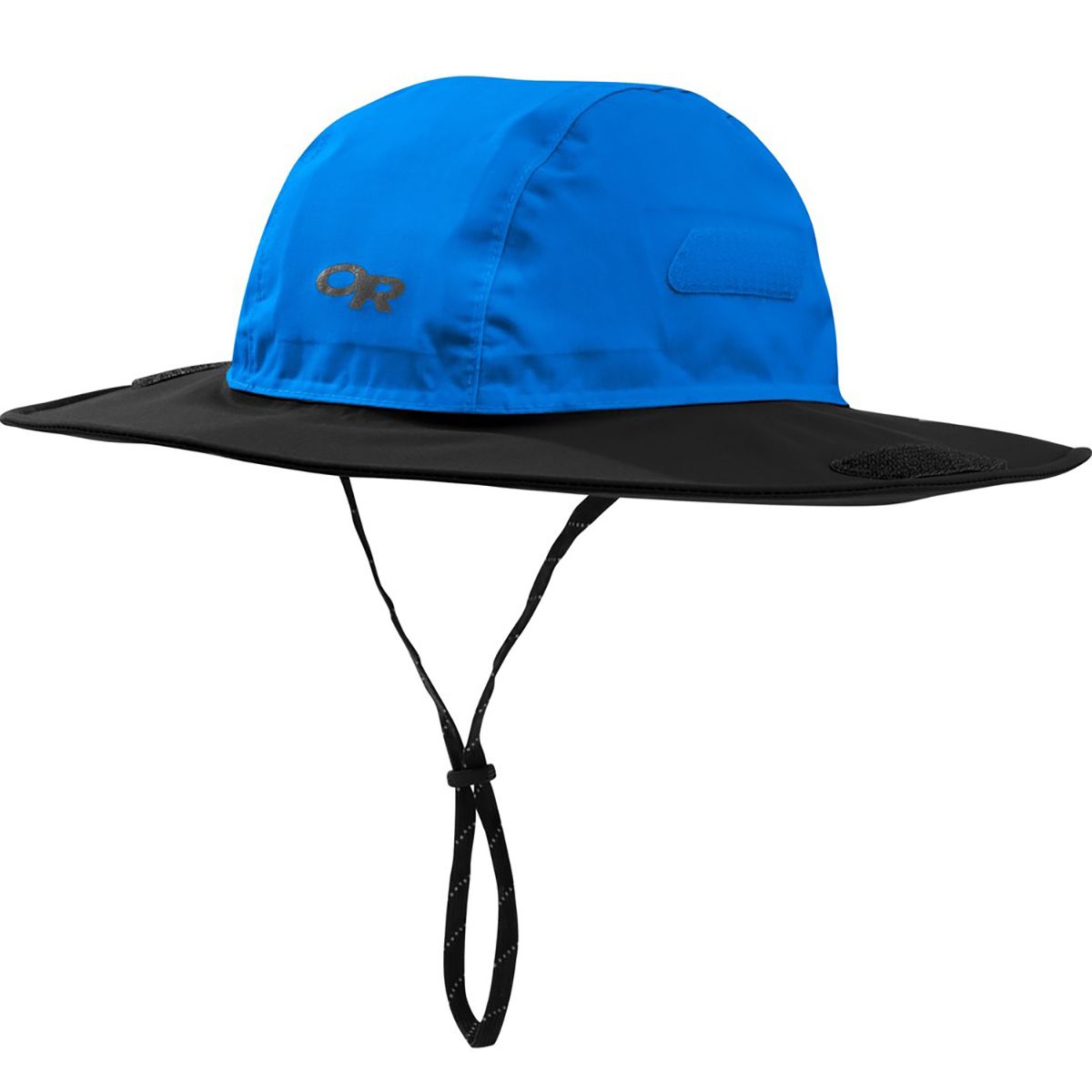
Outdoor Research Seattle Rain Hat - Kids
Wide-brimmed hat with UPF sun protection that handles both sunshine and sudden showers. Perfect for all-day dock or boat fishing.
Why Fishing with Kids Creates Lifelong Memories
There is something magical about the moment a child feels that first tug on their fishing line. Eyes go wide, excitement builds, and suddenly every lesson about patience and nature comes alive in one thrilling instant. Fishing with kids is not just about catching fish - it is about creating bonds, teaching respect for nature, and establishing a family tradition that can span generations.
Fishing offers children benefits that extend far beyond the waterside. Research shows that time spent fishing improves patience and focus, teaches cause-and-effect thinking, and provides quality screen-free time in nature. The quiet moments waiting for a bite create natural opportunities for conversation, and the excitement of a catch builds confidence and creates shared stories that families retell for years.
Unlike many activities that require expensive equipment or memberships, fishing can be enjoyed with minimal gear at local ponds, lakes, rivers, or coastal areas. Most states offer free fishing days for families, and many locations have stocked ponds specifically designed to give young anglers successful experiences. With the right approach and realistic expectations, fishing can become your family's favorite outdoor activity.
This comprehensive guide covers everything you need to know to introduce your children to fishing successfully. From choosing the right age to start, selecting kid-friendly gear, understanding water safety, and learning which fish are easiest for beginners to catch - we have got you covered. Plus, we have partnered with Backcountry to recommend quality outdoor gear that makes fishing trips more comfortable and enjoyable for the whole family.
Benefits of Fishing with Children
- Develops patience and focus in an engaging way
- Teaches respect for nature and wildlife
- Creates quality one-on-one bonding time
- Builds confidence through skill development
- Provides screen-free outdoor entertainment
- Affordable family activity with lasting memories
What Age Can Kids Start Fishing?
Children can be introduced to fishing much earlier than many parents realize. While the optimal starting age depends on the individual child, most kids can begin participating in fishing trips in some capacity as early as age 2-3. The key is adjusting expectations and activities to match developmental stages.
Ages 2-4: Introduction Phase
Toddlers can join fishing trips as observers and participants in simple activities. Focus on exposure to the outdoors and watching others fish rather than actually holding a rod.
Realistic Expectations:
- - 15-30 minute attention span maximum
- - Mostly observing and playing nearby
- - May hold a cane pole with assistance
- - Excitement about seeing fish in water
Activities They Enjoy:
- - Watching fish in the water
- - Throwing bread to ducks or fish
- - Playing with buckets and water
- - Collecting rocks and sticks
Ages 4-6: Active Learning Phase
This is often the sweet spot for truly introducing fishing. Children have enough motor control to hold a rod and the attention span to wait for fish with some guidance.
Realistic Expectations:
- - 30-60 minute fishing sessions
- - Can hold and operate simple spincast reels
- - Will need help with casting and fish
- - May get frustrated without bites
Skills to Teach:
- - Basic push-button reel operation
- - Watching the bobber for movement
- - Gentle handling of fish
- - Patience and quiet near water
Ages 7-10: Skill Development Phase
School-age children can learn real fishing skills and handle longer trips. This age group often becomes genuinely passionate about fishing as an activity they can master.
Realistic Expectations:
- - 1-3 hour fishing sessions
- - Can cast and reel independently
- - Ready to learn hook baiting
- - Beginning to understand fish behavior
Skills to Teach:
- - Casting accuracy
- - Reading water for fish
- - Baiting hooks (with supervision)
- - Proper fish handling and release
Ages 10+: Independence Phase
Pre-teens and teens can become true fishing partners. They are ready for more sophisticated techniques, their own quality gear, and eventually fishing with minimal supervision.
Realistic Expectations:
- - Full day fishing trips
- - Ready for spinning reels
- - Can handle fish independently
- - Understanding catch limits and regulations
Skills to Teach:
- - Tying basic knots
- - Lure selection and techniques
- - Fish identification
- - Conservation and ethics
Kid-Friendly Fishing Gear Guide
Choosing the right gear for kids is crucial to their fishing success and enjoyment. Equipment that is too heavy, too complicated, or poorly sized will lead to frustration and tangled lines. Here is what to look for when outfitting your young angler.
Fishing Rods and Reels for Kids
Spincast (Push-Button) Reels - Best for Beginners
- Simple push-button operation for easy casting
- Enclosed design prevents tangled line
- Best for ages 4-10
- Look for rod/reel combos sized for children
Recommended rod length: 3-4 feet for ages 4-7, 4-5 feet for ages 8-12
Spinning Reels - For Experienced Kids
- More casting distance and accuracy
- Open design requires more coordination
- Best for ages 10+ with experience
- Smaller reel sizes (1000-2500) fit small hands
Recommended rod length: 5-6 feet for ages 10+
Gear Selection Tips
- - Avoid character-themed rods - they break easily and frustrate kids
- - Buy quality entry-level gear from fishing brands (Zebco, Shakespeare, Ugly Stik)
- - Lighter rods (ultralight or light action) are easier for kids to feel bites
- - Pre-spool with 6-8 lb monofilament line for durability and ease
Kid-Friendly Tackle Essentials
Hooks
- Size 6-10 hooks for panfish
- Consider barbless hooks (easier release)
- Circle hooks reduce gut-hooking
Bobbers
- Clip-on bobbers for easy adjustment
- Bright colors for visibility
- Medium size (1-2 inch)
Bait
- Worms - universal and kid-friendly
- Corn or bread for stocked fish
- PowerBait for trout ponds
Teaching Kids to Fish: Step-by-Step Guide
Teaching children to fish requires patience, positive reinforcement, and a focus on fun over fish. The goal of the first several trips should be creating positive associations with fishing, not catching trophy fish. Here is a proven progression for teaching young anglers.
Start at Home: Practice Casting
Before heading to the water, practice casting in the backyard with a practice plug (hookless weight). Set up targets like hula hoops or buckets. This builds coordination and confidence without the pressure of actually fishing.
- - Use a practice plug instead of hooks
- - Start close (10-15 feet) and gradually increase distance
- - Focus on smooth motions, not power
- - Make it a game with targets and points
First Trip: Keep It Short and Simple
The first real fishing trip should be no longer than 1-2 hours at a location you know has fish. Arrive with everything rigged and ready to go. The goal is one good experience, not a marathon session.
- - Pre-rig the rod with bobber and baited hook
- - Choose a spot where you can see fish or know they are active
- - Bring snacks and drinks to maintain good moods
- - Leave before they get bored - end on a high note
Build Skills: The Bobber Technique
The bobber and worm technique is the foundation of kids fishing. It provides visual feedback (watching the bobber), requires minimal skill, and works for most freshwater fish.
- - Set bobber 1-3 feet above hook depending on depth
- - Teach them to watch for bobber movement (not just dunking)
- - Explain to count to three before setting the hook
- - Practice gentle hook sets (no violent yanking)
Catch and Handle Fish
When the first fish is caught, this is a pivotal moment. Guide them through the excitement with calm instructions while maintaining their enthusiasm.
- - Keep the line tight while reeling
- - Net the fish or guide it to hand (no lifting by the line)
- - Show how to hold fish properly (wet hands first)
- - Take photos quickly, then release or keep as appropriate
Gradually Add Skills
As interest and competence grow, slowly introduce new skills over many trips. Do not rush the progression - let them master each step before adding complexity.
- - Baiting their own hooks (with supervision)
- - Adjusting bobber depth
- - Removing hooks from fish
- - Different baits and techniques
Golden Rules for Teaching Kids to Fish
- Keep expectations low - any fish is a success
- Never criticize - praise effort over results
- Let them do things imperfectly
- Take breaks when frustration builds
- End sessions before meltdowns happen
- Focus on fun first, fish second
Best Fish to Target with Kids
Not all fish are created equal when it comes to keeping kids engaged. The best fish for young anglers are abundant, eager to bite, and not too difficult to catch. Here are the top species for family fishing success.
Bluegill / Sunfish
The perfect starter fish. Bluegill are abundant, bite aggressively, and are small enough for kids to handle confidently. Found in almost every pond and lake.
- Best Bait: Worms, crickets, small pieces of bread
- Where to Find: Shallow water near docks, vegetation, shade
- Difficulty: Very Easy
Crappie
Slightly larger than bluegill with excellent eating quality. Crappie school in large numbers, so when you find them, you often catch many.
- Best Bait: Small minnows, jigs, worms
- Where to Find: Brush piles, docks, submerged structure
- Difficulty: Easy
Rainbow Trout (Stocked)
Many state parks stock trout for easy family fishing. These fish are raised to bite and provide reliable action for kids.
- Best Bait: PowerBait, worms, salmon eggs
- Where to Find: Stocked ponds, cold water areas
- Difficulty: Easy (when stocked)
Catfish
Channel catfish offer more fight than panfish while still being relatively easy to catch. Great for building excitement and confidence.
- Best Bait: Chicken liver, worms, stink bait
- Where to Find: Deep holes, near dams, evening hours
- Difficulty: Moderate
Perch
Yellow perch travel in schools, so catching one often means catching several. Great table fare and consistent biters.
- Best Bait: Worms, minnows, small jigs
- Where to Find: Weedy areas, drop-offs, cooler water
- Difficulty: Easy
Largemouth Bass
Larger and more challenging, but extremely exciting when caught. Best for kids with some experience who are ready for a bigger challenge.
- Best Bait: Plastic worms, worms, topwater for older kids
- Where to Find: Near cover, vegetation, shallow morning/evening
- Difficulty: Moderate
Finding Kid-Friendly Fishing Spots
- - City and state parks often have stocked ponds for families
- - Private pay lakes guarantee fish for a daily fee
- - Look for ponds with docks or piers for easy access
- - Call local bait shops for current hot spots
- - Check state wildlife websites for stocking schedules
Water Safety: Keeping Kids Safe While Fishing
Water safety is non-negotiable when fishing with children. Drowning is a leading cause of accidental death in young children, and most incidents happen quickly and silently. Follow these essential safety guidelines every time you fish.
Life Jacket Rules
- Children under 12 should always wear a USCG-approved life jacket near water
- Ensure proper fit - snug enough it cannot slip over the head
- All buckles and zippers must be fastened
- Adults wearing life jackets models good behavior
- Choose Type III jackets for fishing - allow better movement
Supervision Requirements
- Maintain arm's-reach supervision for non-swimmers
- Designate one adult as water watcher (no phone use)
- Know water depth and current conditions
- Establish clear boundaries from water's edge
- Never leave children unattended on docks or boats
Hook and Equipment Safety
- Teach "look before you cast" to check behind them
- Keep hooks covered when not in use
- Adult removes hooks from fish until child is experienced
- Use barbless hooks or pinch barbs for easier removal
- Carry a first aid kit with hook removal tools
- Watch for fish spines on catfish and panfish
Recommended Safety Gear
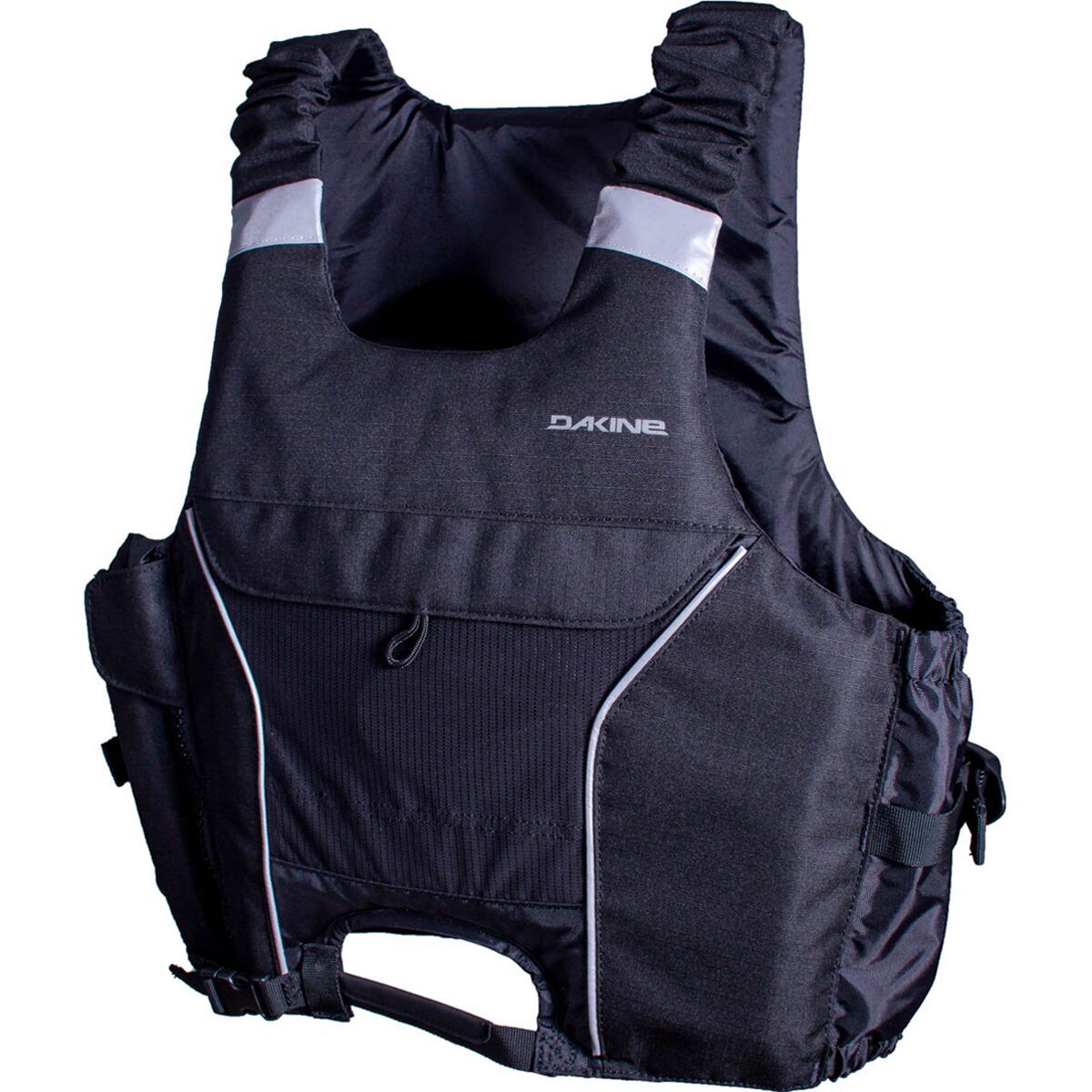
DAKINE Seeker Vest PFD - Kids
Low-profile flotation vest that allows full range of motion for casting. USCG-approved for water safety near docks and boats.
- Low-profile design
- Full mobility
- Minimal bulk
- USCG approved

DAKINE Seeker Vest PFD - Kids (Red)
Bright red color for maximum visibility on the water. Essential safety gear for dock fishing and boat trips.
- High visibility red
- Low-profile fit
- Range of motion
- Safety essential
Making Fishing Fun for Kids
The key to creating lifelong anglers is making early fishing experiences enjoyable - even when the fish are not biting. Here are proven strategies for keeping kids engaged and excited about fishing.
Timing Tips
- Fish during active feeding times (early morning, late afternoon)
- Keep first trips short (1-2 hours maximum)
- Avoid hottest part of the day (uncomfortable + slow fishing)
- Leave while they are still having fun - quit on a high note
Backup Activities
- Bring a net for catching minnows and crawdads
- Skip rocks during slow periods
- Watch for frogs, turtles, and other wildlife
- Build rock cairns or explore the shoreline
Games and Rewards
Fishing Games:
- - First fish caught wins a prize
- - Most fish caught competition
- - Biggest/smallest fish contest
- - Species scavenger hunt
Rewards and Celebrations:
- - Ice cream after fishing trips
- - Photo with each caught fish
- - Fishing journal to record catches
- - Special tackle box for their own gear
What to Do When Fish Are Not Biting
- - Move to a different spot every 15-20 minutes
- - Try different baits or depths
- - Switch to feeding ducks or wildlife watching
- - Break for snacks and talk about what you are seeing
- - Never say "the fish aren't biting" - frame it as "they're being sneaky today"
Comfort Gear for Long Fishing Sessions
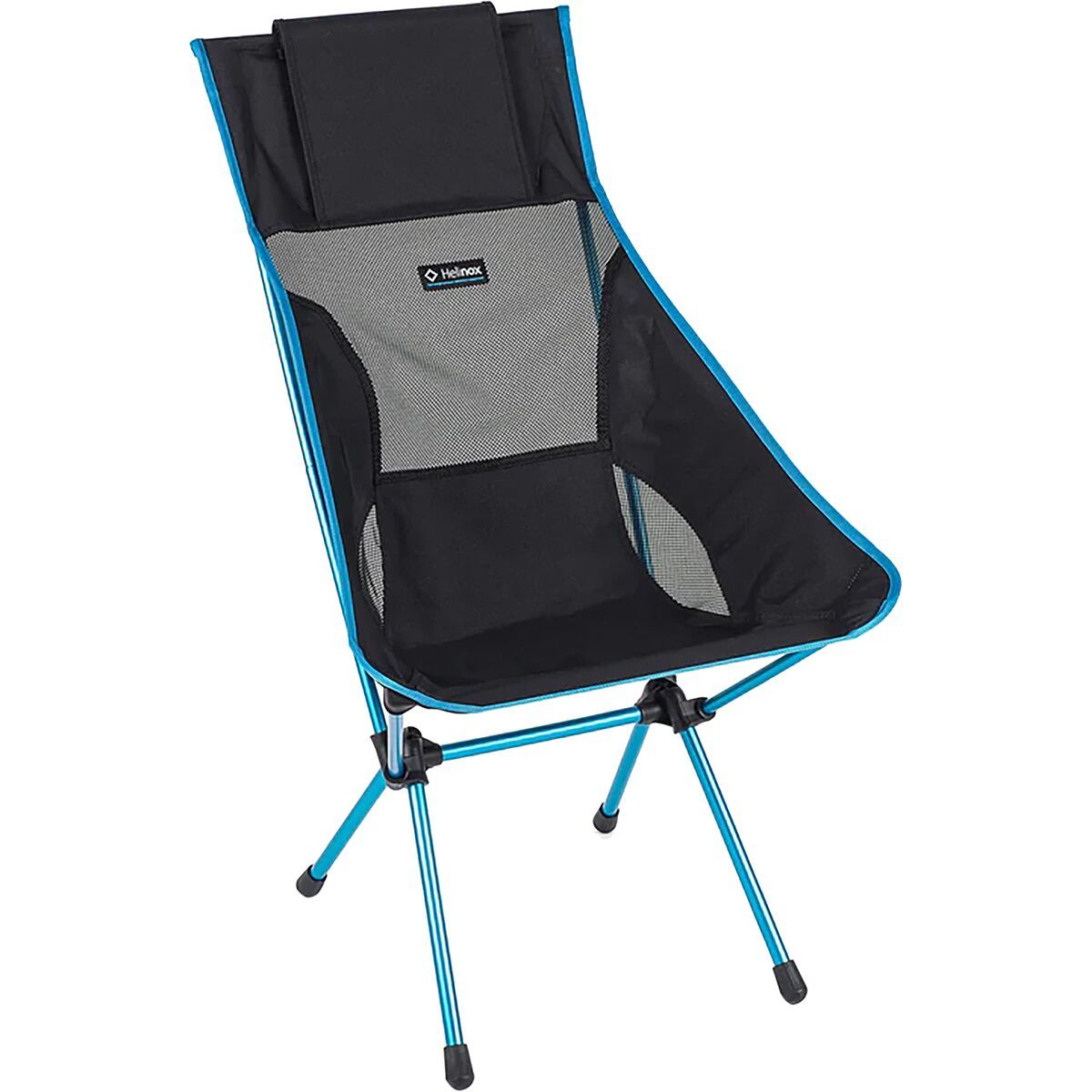
Helinox Sunset Camp Chair
Comfortable chair with neck support for long fishing sessions. Stuff sack converts to pillow for waiting on the fish.
- Neck support
- Stuff sack pillow
- Lightweight
- Durable mesh
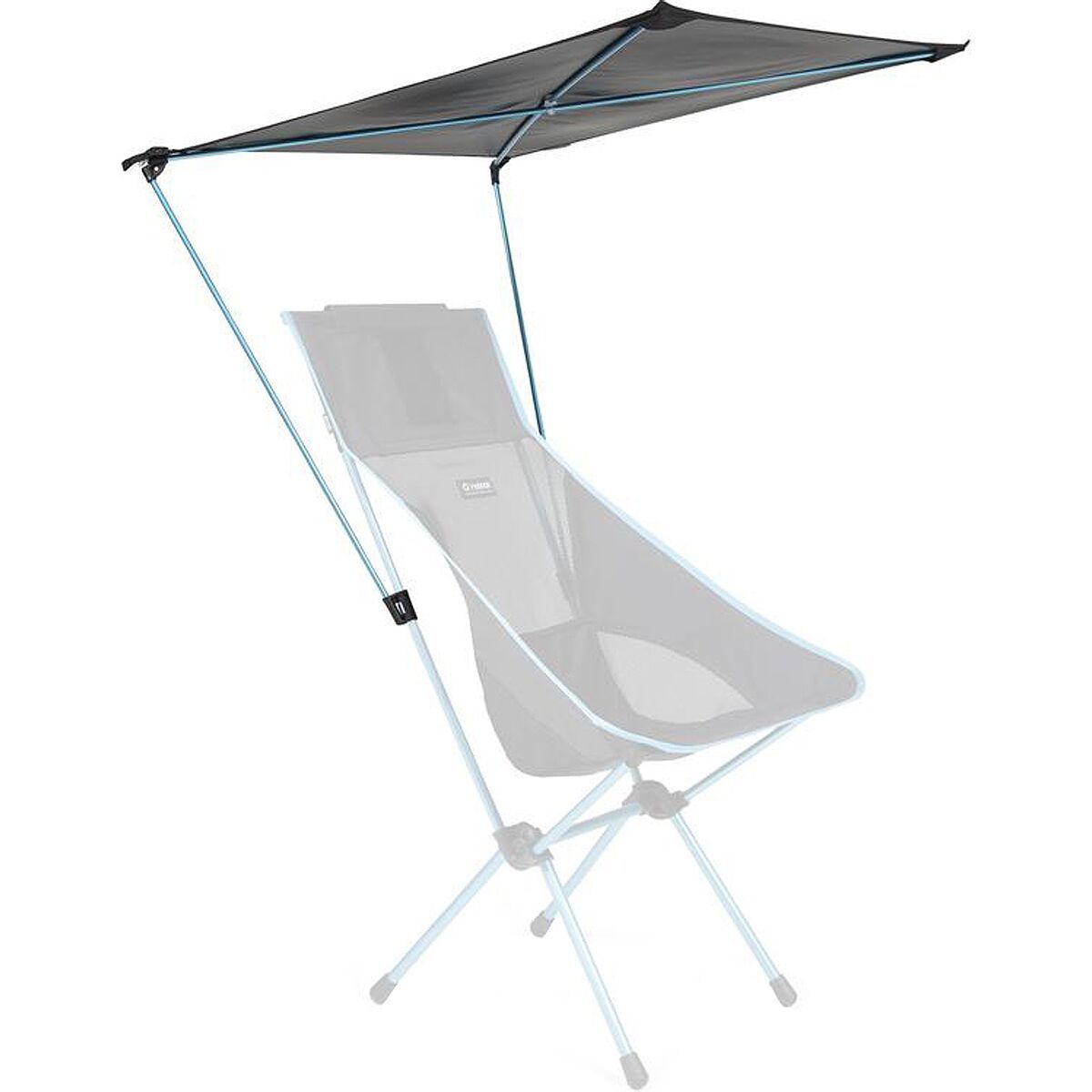
Helinox Personal Shade
Clip-on shade canopy keeps the sun off during long fishing waits. Adjustable design for changing sun angles.
- Sun protection
- Adjustable angle
- Clips to chair
- Packable design

Kelty Lowdown Chair
Low-profile chair perfect for shoreline fishing. Integrated cup holder keeps drinks within reach.
- Low profile
- Cup holder
- Adjustable armrests
- Easy transport

Coleman Cooler Quad Chair
Camp chair with built-in 4-can cooler in the armrest. Perfect for keeping drinks and snacks cold while fishing.
- 4-can cooler
- Mesh cup holder
- Side pocket
- Comfortable seat
Sun Protection for Young Anglers
Fishing often means extended sun exposure with reflected UV rays from the water surface. Proper sun protection is essential to prevent sunburns and long-term skin damage. The water reflects up to 100% of UV rays, essentially doubling exposure.
Sun Safety Essentials
Sunscreen:
- - Apply SPF 30+ 15 minutes before exposure
- - Reapply every 2 hours and after water contact
- - Do not forget ears, neck, and tops of feet
- - Use water-resistant formula
Protective Clothing:
- - Wide-brim hat (3+ inch brim)
- - UPF-rated long sleeve shirts
- - Polarized sunglasses (protect eyes + see fish)
- - Lightweight, breathable fabrics
Timing:
- - Avoid 10am-4pm peak UV hours
- - Seek shade during breaks
- - Early morning fishing has best UV + best bite
- - Watch for cloudy day burns (UV penetrates clouds)
Sun Protection Gear
Outdoor Research Seattle Rain Hat - Kids
Wide-brimmed hat with UPF sun protection that handles both sunshine and sudden showers. Perfect for all-day dock or boat fishing.
- UPF sun protection
- Rain-ready design
- Wide brim coverage
- Adjustable fit
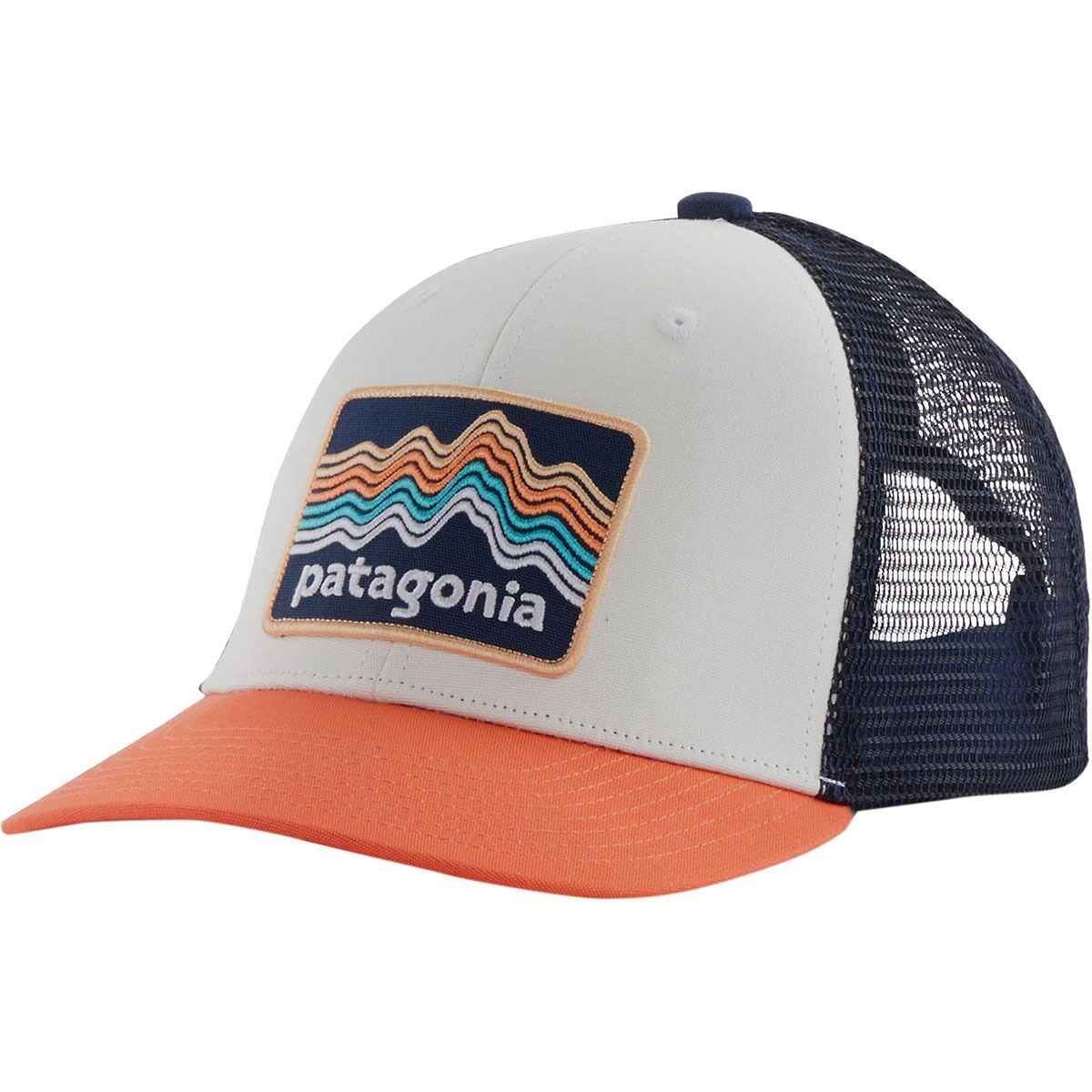
Patagonia Trucker Hat - Kids
Classic trucker style with organic cotton front and mesh back for breathability. Keeps the sun off while staying cool on hot fishing days.
- Organic cotton
- Mesh back panels
- Adjustable snapback
- Classic style
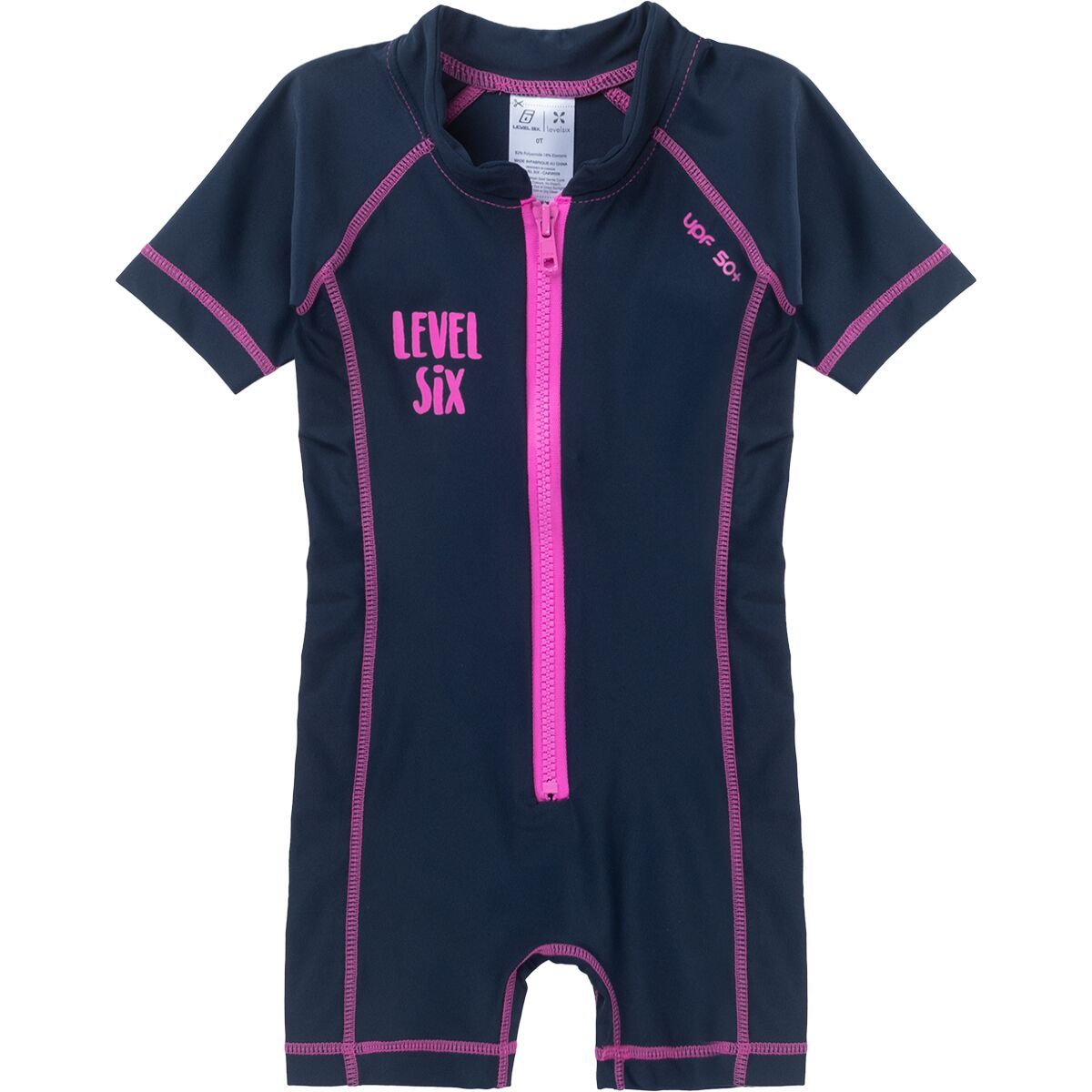
Level Six Aurora Sun Suit - Toddlers
Full-body UPF 50+ sun protection for toddlers near the water. Quick-dry fabric for comfort going in and out of the water.
- UPF 50+ protection
- Quick-dry fabric
- Front zipper for changes
- Comfortable all day
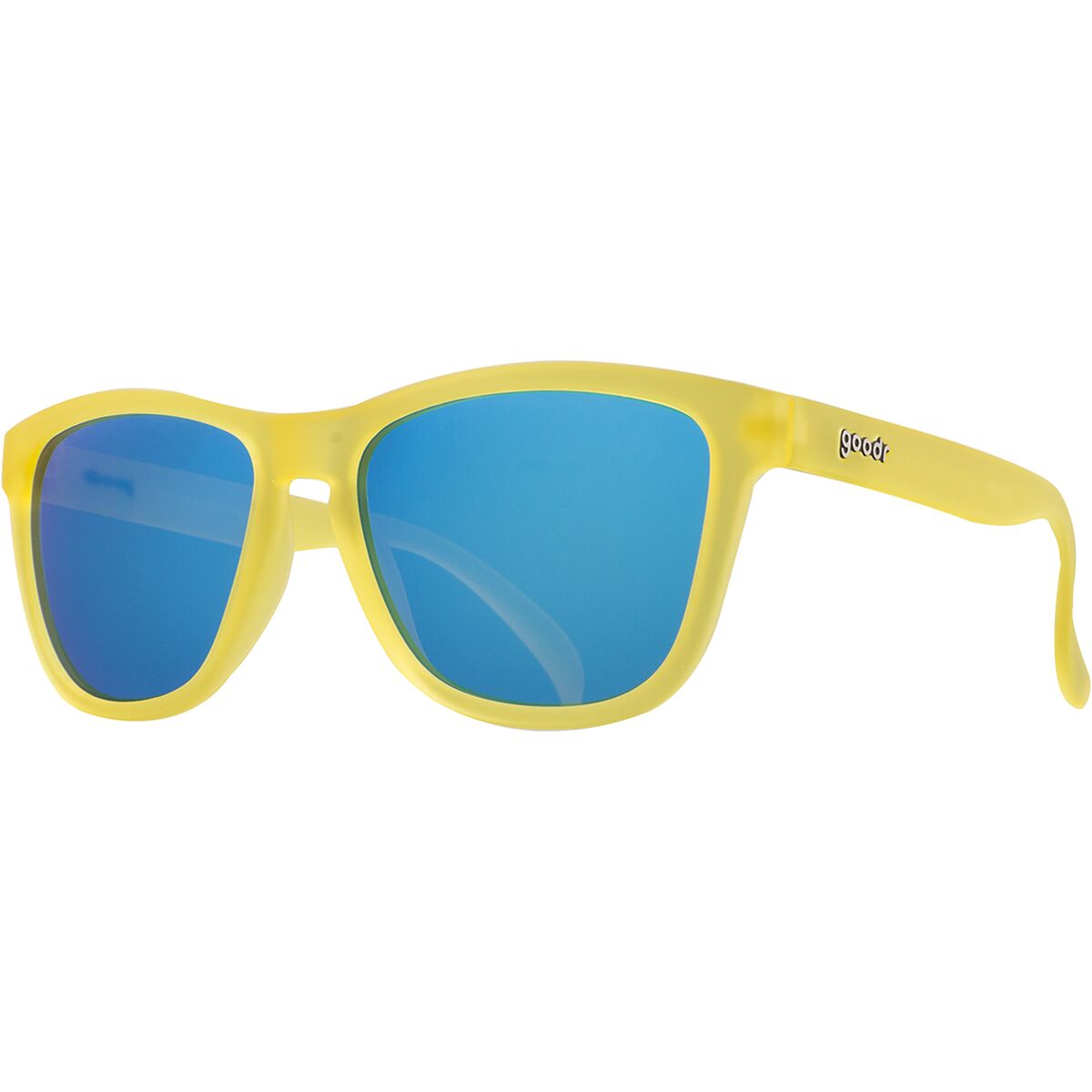
Goodr OG Polarized Sunglasses
Lightweight polarized sunglasses that reduce glare on the water. Helps kids see fish and reduces eye strain on bright days.
- Full polarization
- Glare reduction
- Lightweight frame
- See into water
Layering for All-Day Fishing
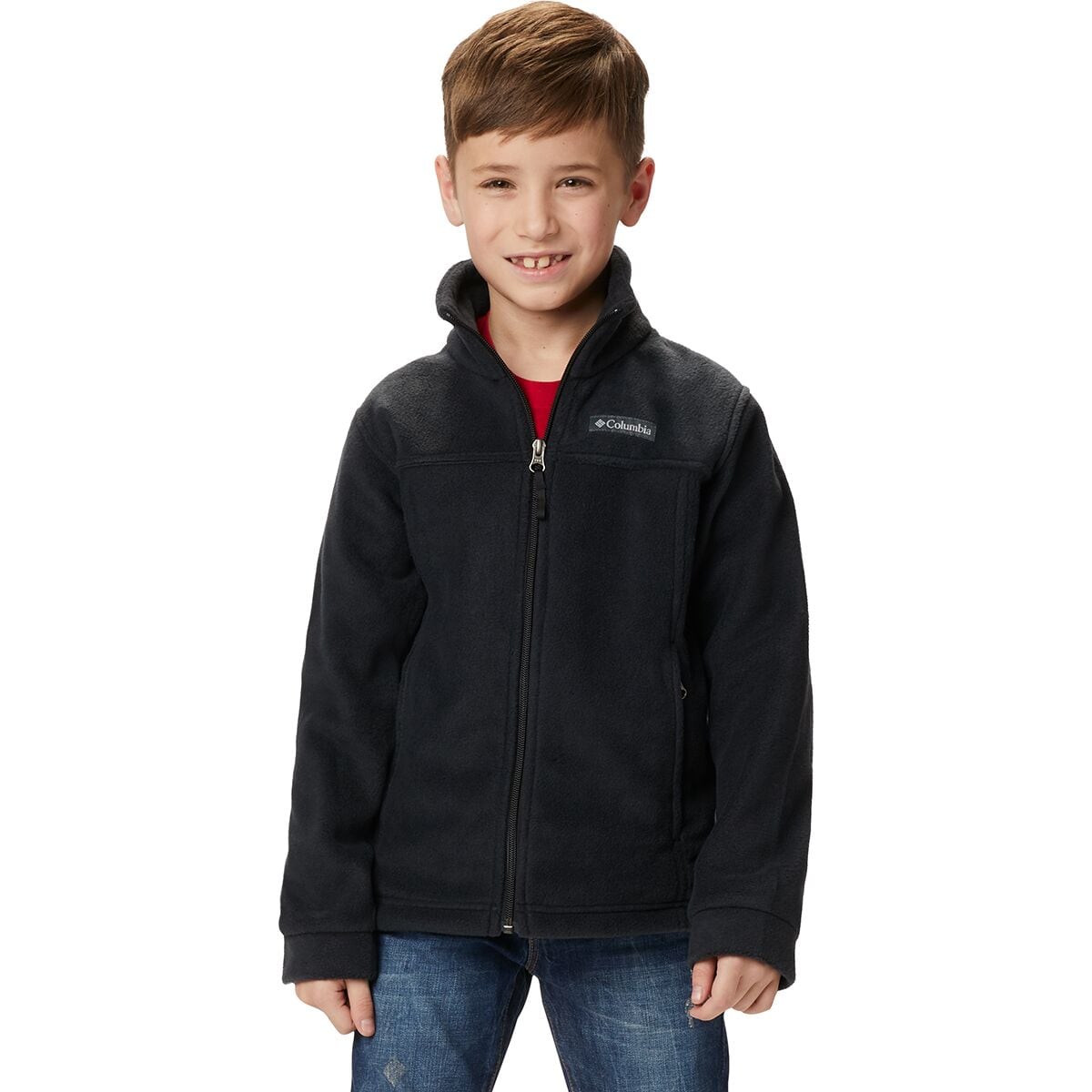
Columbia Steens Mountain II Fleece Jacket - Boys
Soft MTR fleece perfect for chilly early morning fishing. Lightweight enough to remove as the day warms up.
- MTR fleece fabric
- Zippered pockets
- Machine washable
- Layers easily
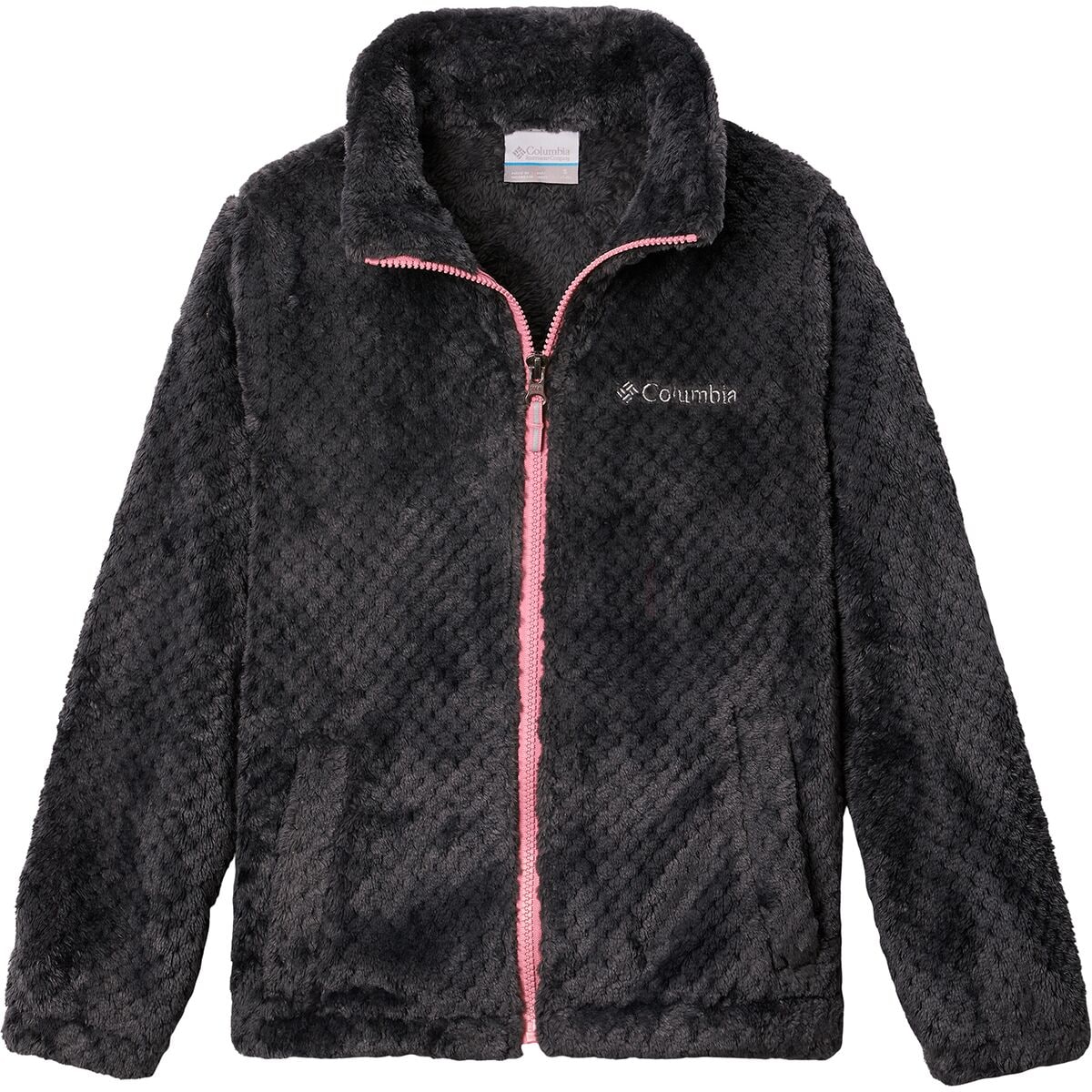
Columbia Fire Side Sherpa Hybrid Fleece - Girls
Plush sherpa fleece for warmth during cold weather fishing. Hybrid design adds structure for active fishing trips.
- High-pile sherpa
- Hybrid panels
- Elastic cuffs
- Zippered pockets

Patagonia Down Sweater Jacket - Kids
Lightweight 600-fill recycled down for cold morning fishing trips. Windproof shell protects against waterside breezes.
- 600-fill recycled down
- Windproof shell
- Lightweight warmth
- Layers under shell
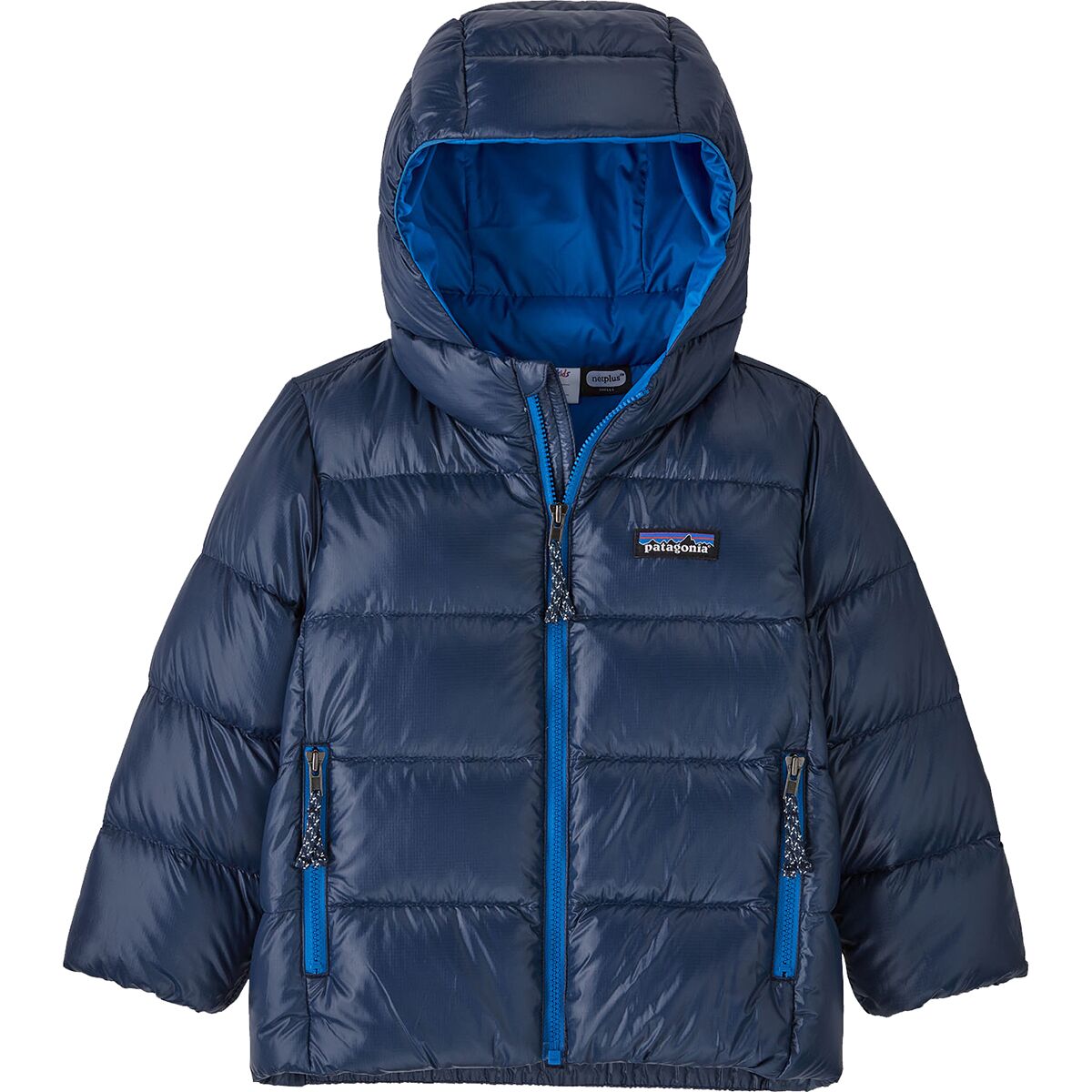
Patagonia Hi-Loft Down Sweater Hoodie - Toddlers
700-fill recycled down in a cozy hoodie for the youngest anglers. Keeps toddlers warm while watching from the dock.
- 700-fill recycled down
- Cozy hood
- Wind protection
- Toddler-sized
Complete Kids Fishing Trip Packing List
Fishing Gear
- Rod and reel (pre-rigged)
- Tackle box with hooks, bobbers, sinkers
- Bait (worms, PowerBait, etc.)
- Fishing net
- Needle-nose pliers
- Line clippers
- Extra line
- Fishing license (if required)
Safety Essentials
- Life jackets for all children
- First aid kit
- Sunscreen SPF 30+
- Bug spray
- Charged phone (emergency)
- Whistle (for kids)
- Hand sanitizer
Sun Protection
- Wide-brim hats
- Polarized sunglasses
- Long sleeve sun shirts
- Lightweight pants
- Shade canopy or umbrella
- Lip balm with SPF
Snacks & Hydration
- Water bottles (plenty!)
- Cooler with ice
- Healthy snacks
- Treats for celebration catches
- Napkins/paper towels
Comfort Items
- Camp chairs or bucket
- Blanket or towel to sit on
- Extra clothes (get wet/dirty)
- Wet wipes
- Change of shoes
Entertainment Backup
- Minnow net
- Bucket for collecting
- Nature guide book
- Camera
- Small toys
- Fishing journal
Frequently Asked Questions
What is the best age to start teaching kids to fish?
Most children can begin holding a simple spincast rod around age 4-5, though they can join fishing trips as observers much earlier. The key is matching expectations to their developmental stage - toddlers enjoy watching and playing near water, while school-age children can learn actual fishing skills.
Do kids need a fishing license?
Fishing license requirements vary by state. Most states do not require licenses for children under 16, but some require them for children over 12. Many states offer free fishing days where no license is needed. Always check your state's regulations before fishing.
What should I do if my child gets frustrated and wants to quit?
Take a break from fishing and try a different activity like exploring the shoreline, looking for wildlife, or having a snack. If frustration continues, it is okay to leave early and try again another day. Never force fishing - the goal is positive associations. Shorter successful trips build interest better than long frustrating ones.
Should I let my child handle hooks?
Adults should handle hooks until children demonstrate readiness, typically around age 8-10 with close supervision. Start by letting them watch, then assist, then gradually give more independence. Use barbless hooks to reduce injury severity. Always supervise hook baiting and fish hook removal.
What is the best type of fishing for beginners?
Bank or dock fishing with a bobber and worm is ideal for beginners. This setup provides visual feedback (watching the bobber), requires minimal skill, and works for catching panfish like bluegill. Stocked trout ponds are also excellent as they virtually guarantee catching fish.
How do I keep a young child safe near water?
All children should wear USCG-approved life jackets near water regardless of swimming ability. Maintain arm's-reach supervision for non-swimmers, establish clear boundaries from the water's edge, and designate one adult as the dedicated water watcher. Never leave children unattended on docks or near water.
What gear do I need to start fishing with my child?
Start with a quality kids spincast rod and reel combo (Zebco or similar), basic tackle (hooks, bobbers, sinkers), worms for bait, and a small tackle box. Add a net for landing fish, needle-nose pliers for hook removal, and comfortable seating. Avoid cheap character-themed rods that break easily.
Should we keep or release the fish we catch?
Both are valid approaches. Catch-and-release teaches conservation and allows more fishing opportunities. Keeping fish (within legal limits) can make fishing more meaningful by providing a meal. Teach proper handling either way - wet hands before touching fish, support the body, minimize air time, and release gently if returning to water.
Where can I find kid-friendly fishing spots?
Look for city and state parks with stocked ponds, pay-to-fish lakes that guarantee catches, piers and docks with easy access, and community fishing programs. Many state wildlife agencies maintain lists of family fishing locations. Local bait shops can also recommend spots where fish are currently active.
How long should a kids fishing trip last?
For beginners ages 4-6, plan for 1-2 hours maximum. Children ages 7-10 can often handle 2-3 hours if fishing is good. Older kids may enjoy half-day trips. The key is leaving while they are still having fun - shorter positive experiences build more interest than long exhausting ones.
Related Resources
Affiliate Disclosure
ParentCalc is a Backcountry affiliate. We earn commissions from qualifying purchases at no additional cost to you. This helps support our free parenting resources. All product recommendations are based on our research and real parent feedback. We only recommend products we believe will genuinely help families enjoy outdoor activities safely.