Complete Guide to Visiting National Parks with Kids
Everything families need for amazing national park adventures - from the best parks for kids and Junior Ranger programs to camping tips and wildlife safety
2026 Product Picks
Our latest product roundups related to this guide:
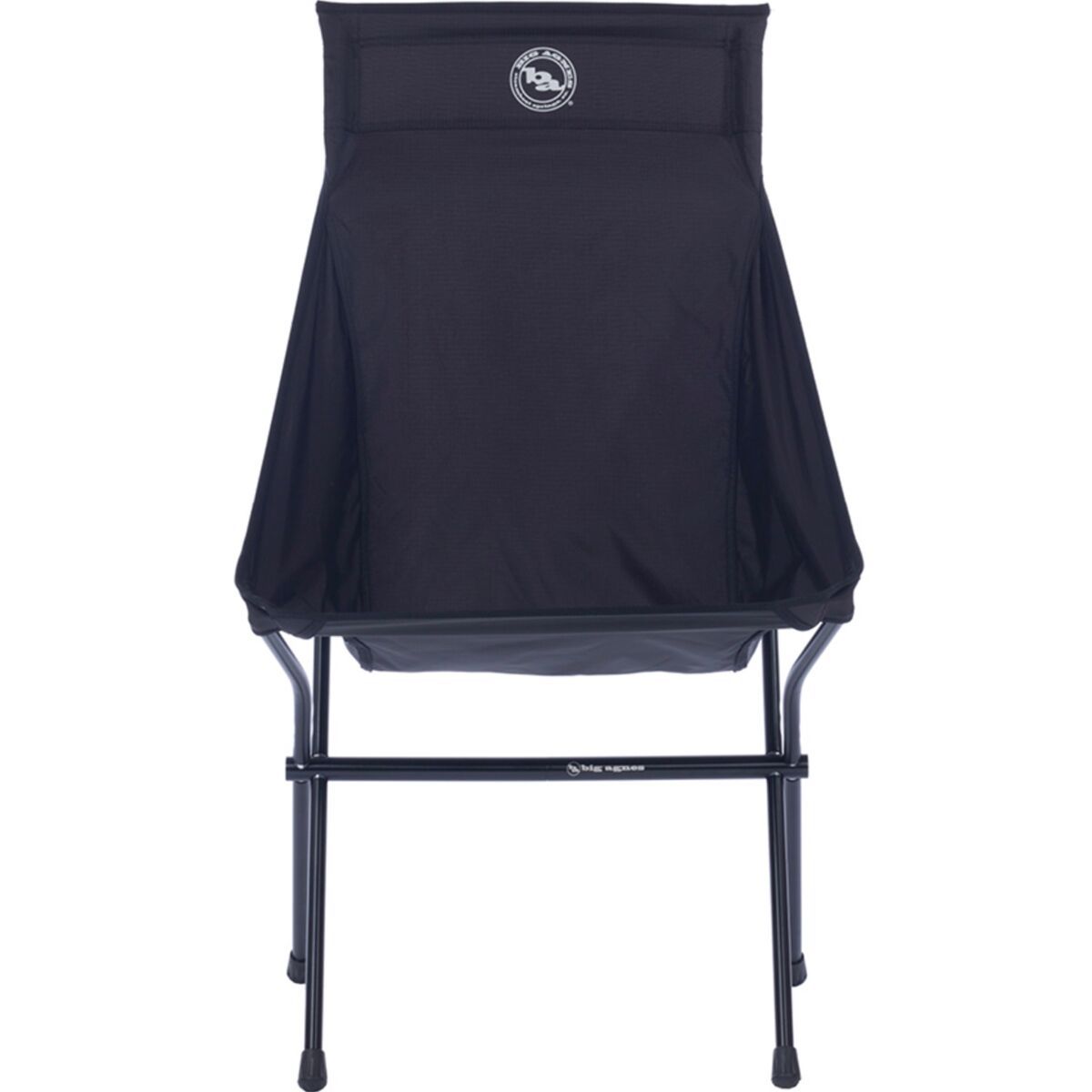
Big Agnes Big Six Camp Chair
Comfort is key for car camping. The tall back and wide seat conform to various body types, while the packable design makes it perfect for national park campgrounds.
- Tall back support
- Wide seat
- Packable design
- Comfortable camping
Why National Parks are Perfect for Families
National parks offer something no theme park or resort can match: the chance to witness the raw beauty of nature together as a family. From watching Old Faithful erupt to spotting your first wild bison, these moments create memories that last generations.
America's 63 national parks protect some of the most spectacular landscapes on Earth, and they are incredibly welcoming to families with children. Every park offers Junior Ranger programs, ranger-led activities designed for kids, and trails suited to various ages and abilities. Many parks have visitor centers with interactive exhibits, accessible boardwalks, and educational programs that make learning feel like adventure.
Research shows that children who spend time in nature develop stronger problem-solving skills, better focus, and deeper environmental awareness. National parks provide the perfect classroom for these lessons, teaching kids about geology, wildlife, ecology, and conservation in ways that stick. Plus, the physical activity of hiking, swimming, and exploring builds confidence and healthy habits.
This comprehensive guide covers everything you need to plan the perfect national park trip with kids. We have partnered with Backcountry to bring you expert-recommended gear from trusted outdoor brands. Whether you are planning a day visit or a week-long camping adventure, this guide will help you create an unforgettable family experience.
Benefits of National Parks for Kids
- Direct wildlife encounters in natural habitats
- Junior Ranger badges and educational programs
- Screen-free family bonding time
- Affordable family vacations (kids under 16 free)
- Lifelong appreciation for conservation
- Physical activity and outdoor skills development
Best National Parks for Families
While all national parks welcome families, some are particularly well-suited for kids with their mix of accessible trails, engaging programs, and unforgettable sights. Here are our top picks for family-friendly national parks across the country.
Yellowstone National Park
Wyoming, Montana, Idaho
The ultimate family park with geysers, wildlife, and endless wonder
Highlights:
- Old Faithful and 500+ geysers
- Abundant wildlife: bison, bears, wolves
- Colorful hot springs and mud pots
- Multiple campgrounds and lodges
Family Features:
- Junior Ranger program (one of the best)
- Boardwalk trails around thermal features
- Ranger programs multiple times daily
- Old Faithful webcam for pre-trip excitement
Grand Canyon National Park
Arizona
Mind-blowing geology and family-friendly South Rim experiences
Highlights:
- One of the Seven Natural Wonders
- Breathtaking overlooks and rim trails
- Mule rides and ranger programs
- Dark sky stargazing
Family Features:
- Paved Rim Trail for strollers
- Junior Ranger program with 3 levels
- South Rim accessible year-round
- Free shuttle bus system
Acadia National Park
Maine
Coastal adventures with mountains, tide pools, and carriage roads
Highlights:
- Rocky Atlantic coastline
- 45 miles of carriage roads (no cars)
- Thunder Hole wave watching
- Cadillac Mountain sunrise
Family Features:
- Tide pool exploration at low tide
- Bike-friendly carriage roads
- Jordan Pond House popovers tradition
- Boat cruises with ranger narration
Great Smoky Mountains
Tennessee, North Carolina
Most visited park with waterfalls, wildlife, and easy access
Highlights:
- No entrance fee (free!)
- Black bear and synchronous firefly viewing
- Hundreds of miles of trails
- Historic Cades Cove loop
Family Features:
- Free admission for all
- Wheelchair-accessible trails
- Junior Ranger booklet free at visitor centers
- Family-friendly campground programs
Zion National Park
Utah
Dramatic red rock canyons with accessible shuttle system
Highlights:
- Towering red rock formations
- Emerald Pools and Weeping Rock
- Riverside Walk to The Narrows
- Free shuttle through canyon
Family Features:
- Shuttle system keeps trails car-free
- Paved Riverside Walk accessible
- Wading in Virgin River
- Junior Ranger program includes night sky
Rocky Mountain National Park
Colorado
Mountain wilderness with elk herds and alpine adventures
Highlights:
- Trail Ridge Road above tree line
- Elk bugling in fall
- 355 miles of hiking trails
- Alpine tundra ecosystem
Family Features:
- Bear Lake easy loop trail
- Wildlife viewing from car
- Multiple Junior Ranger programs
- Free shuttle to popular trailheads
Olympic National Park
Washington
Three ecosystems in one park: rainforest, mountains, coast
Highlights:
- Hoh Rain Forest trails
- Hurricane Ridge alpine views
- Tide pools at Rialto Beach
- Hot springs at Sol Duc
Family Features:
- Hall of Mosses nature trail
- Beach tide pool exploration
- Ranger-led rainforest walks
- Hot springs resort for recovery
Joshua Tree National Park
California
Desert wonderland with unique trees and boulder scrambling
Highlights:
- Iconic Joshua Trees
- World-class rock formations
- Incredible dark skies
- Two desert ecosystems
Family Features:
- Boulder scrambling paradise
- Short nature trails
- Night sky programs
- Best in cooler months
Planning Tip: America the Beautiful Pass
The America the Beautiful Annual Pass costs $80 and provides unlimited access to all national parks and federal recreation areas for one year. If you plan to visit 2+ parks, it pays for itself. Every 4th grader gets a free annual pass through the Every Kid Outdoors program - download your voucher at everykidoutdoors.gov.
Age-Appropriate Park Activities
National parks offer activities for every age group. The key is matching experiences to your child's abilities and interests. Here is what works best at each stage.
Infants (0-12 months)
Baby Park Explorers
Best Activities:
- Scenic drives with overlook stops
- Short nature walks in carrier
- Visitor center exhibits
- Ranger talks (babies love the hats!)
- Wildlife watching from car
Pro Tips:
- Time visits around nap schedules
- Bring shade protection - parks can be exposed
- Choose parks with paved trails
- Altitude can affect babies - acclimate gradually
Toddlers (1-3 years)
Tiny Trekkers
Best Activities:
- Short loop trails under 1 mile
- Creek and stream play
- Animal spotting games
- Visitor center touch exhibits
- Picnic at scenic spots
Pro Tips:
- Bring hiking carrier for backup
- Focus on exploration over distance
- Let them collect pinecones and safe treasures
- Celebrate small discoveries enthusiastically
Preschoolers (3-5 years)
Junior Explorers
Best Activities:
- Junior Ranger booklet activities
- Ranger-led programs for families
- 1-2 mile hikes with features
- Wildlife watching with binoculars
- Campfire programs
Pro Tips:
- Start Junior Ranger early in visit
- Use destination goals: "Let's find the waterfall!"
- Bring kid binoculars for engagement
- Schedule rest time to prevent meltdowns
Elementary (6-10 years)
Park Rangers in Training
Best Activities:
- Complete Junior Ranger programs
- 3-6 mile hikes to destinations
- Wildlife photography projects
- Geology and nature hunts
- Star gazing and night programs
Pro Tips:
- Give them navigation responsibilities
- Let them choose some activities
- Bring field guides for identification
- Consider overnight camping
Tweens (10-13 years)
Adventure Seekers
Best Activities:
- Challenging summit hikes
- Multi-day backpacking trips
- Kayaking and water activities
- Rock scrambling and bouldering
- Photography challenges
Pro Tips:
- Include them in trip planning
- Allow for peer-group activities if possible
- Challenge them with responsibilities
- Document adventures for sharing
Teens (13+ years)
Wilderness Adventurers
Best Activities:
- Strenuous backcountry hikes
- Volunteer ranger programs
- Night sky photography
- Rock climbing (where permitted)
- Wildlife photography
Pro Tips:
- Give real responsibility and independence
- Consider teen-specific ranger programs
- Let them document and share the experience
- Involve in gear decisions and planning
Junior Ranger Programs
Junior Ranger programs are one of the best-kept secrets of national parks. Free at every park, these programs engage kids with the park's unique features through activities, exploration, and earning an official badge and certificate. Most kids become obsessed with collecting badges from every park they visit.
How Junior Ranger Works
- 1.Pick up a free booklet at any visitor center
- 2.Complete age-appropriate activities (usually 3-10)
- 3.Activities include exploring, observing, and learning
- 4.Return completed booklet to a ranger
- 5.Recite the Junior Ranger pledge
- 6.Receive official badge and certificate!
Tips for Success
- Get booklets early - activities take time to complete
- Most parks have different booklets by age group
- Some activities require attending ranger programs
- Parents can help younger kids, but let them lead
- Bring crayons and pencils from home
- Create a badge collection book at home
Special Junior Ranger Programs
Web Ranger (Online)
Complete activities online at nps.gov/webrangers before your trip to build excitement and earn a special certificate.
Night Explorer
Many parks offer special night-focused Junior Ranger programs covering nocturnal animals, astronomy, and night sounds.
Underwater Explorer
Parks with marine environments offer specialized programs about ocean ecosystems and marine life.
Bark Ranger
Bring your dog? Some parks offer Bark Ranger programs teaching pet safety and earning a special tag for your pup.
Camping in National Parks
Camping in a national park is a magical experience for kids - falling asleep to the sounds of nature, waking up surrounded by wilderness, and having prime access to trails and programs. Most parks offer campgrounds ranging from primitive backcountry sites to developed campgrounds with amenities.
Types of National Park Camping
Front Country / Car Camping
Drive to your site with full gear. Most have restrooms, picnic tables, and fire rings. Best for families new to camping.
Walk-In Sites
Short walk from parking to secluded sites. More privacy, still accessible. Good stepping stone to backcountry.
Group Campgrounds
Larger sites for extended families or groups. Often have group fire circles and gathering areas.
Backcountry Camping
Hike to remote sites. Requires permits and experience. Save for when kids are older and conditioned.
Reservation Tips
- Book early: Popular parks fill 6 months in advance to the day
- Use Recreation.gov: Official reservation site for most parks
- Consider shoulder season: May and September often have better availability
- Check first-come-first-served: Some sites don't take reservations
- Have backup plans: National forests nearby often have availability
Food Storage is Required
All national park campgrounds require proper food storage to protect wildlife. Many parks have bear boxes at each site - use them for all food, coolers, toiletries, and anything with a scent. In backcountry, bear canisters are often required. Never store food in your tent. Failure to comply can result in fines and, more importantly, habituated bears that may need to be relocated or euthanized.
Camping Gear for National Parks
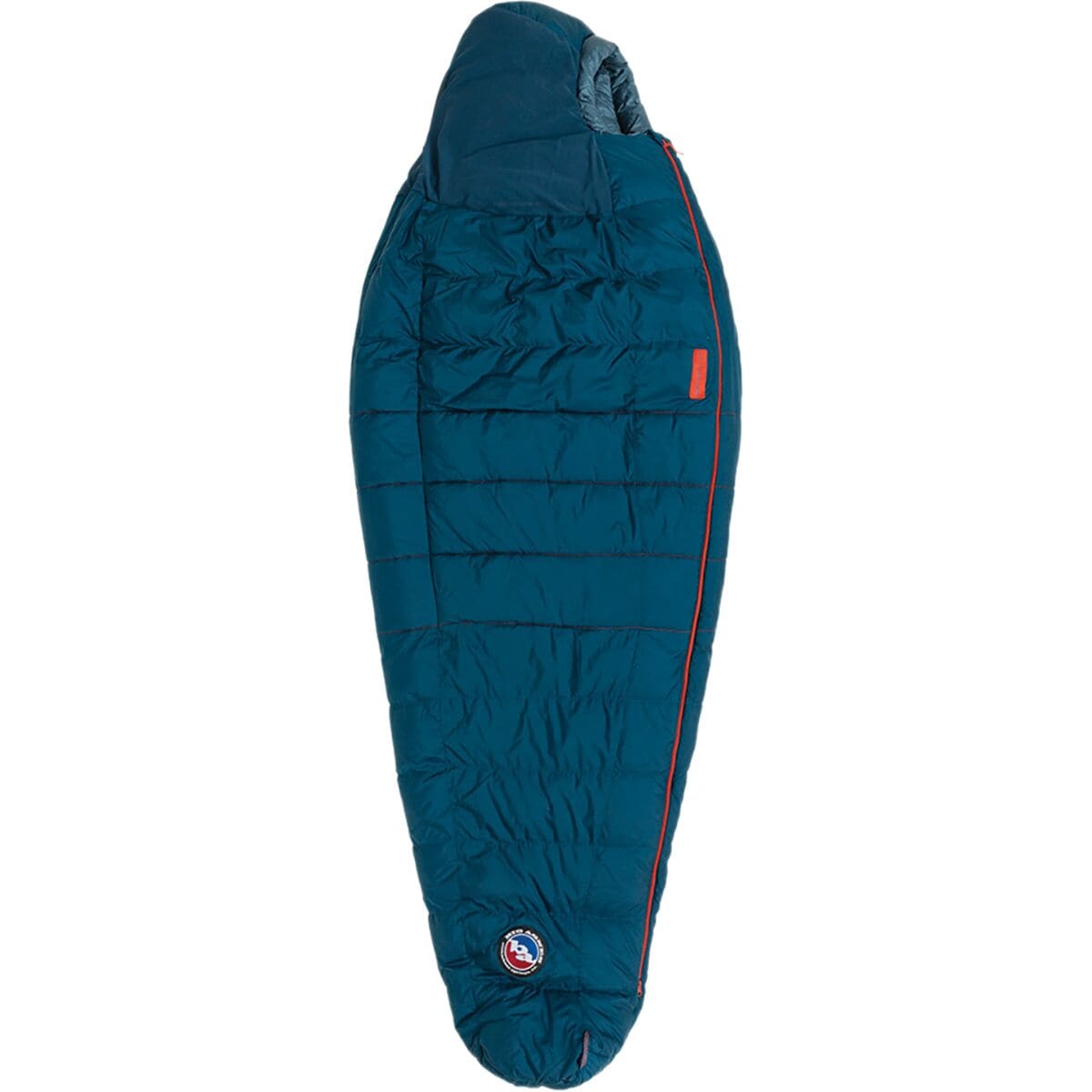
Big Agnes Sidewinder SL Sleeping Bag: 35F Down
Built specifically for side sleepers with added insulation on hips and feet. Perfect for family camping where comfortable sleep matters.
- Side sleeper design
- Fireline synthetic insulation
- 35F rating
- Pressure-limiting zones
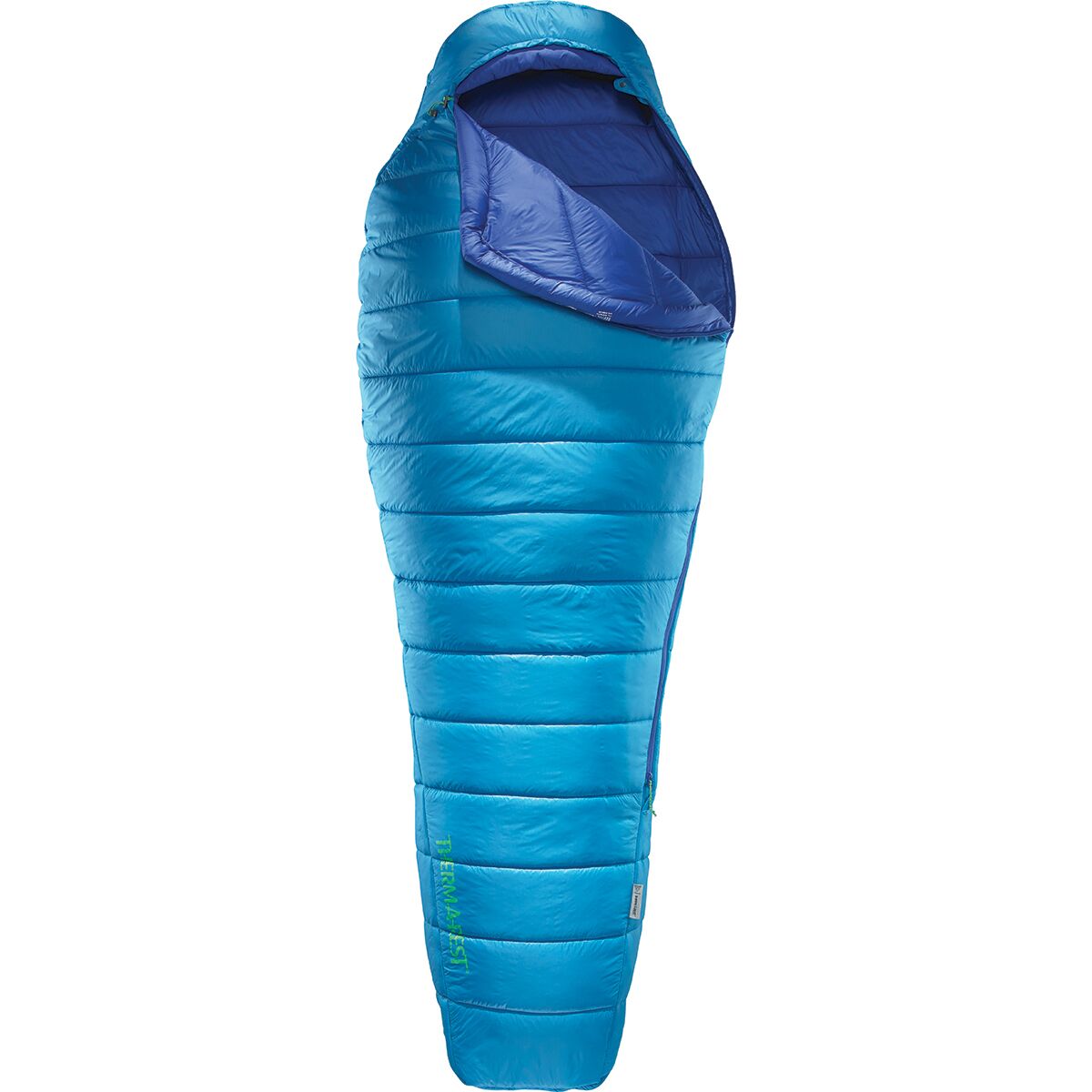
Therm-a-Rest Space Cowboy Sleeping Bag: 45F Synthetic
Perfect for summer national park camping with zoned eraLoft insulation. Water-resistant fill stays warm even when damp.
- 45F temperature rating
- Zoned insulation
- Water-resistant fill
- Lightweight design
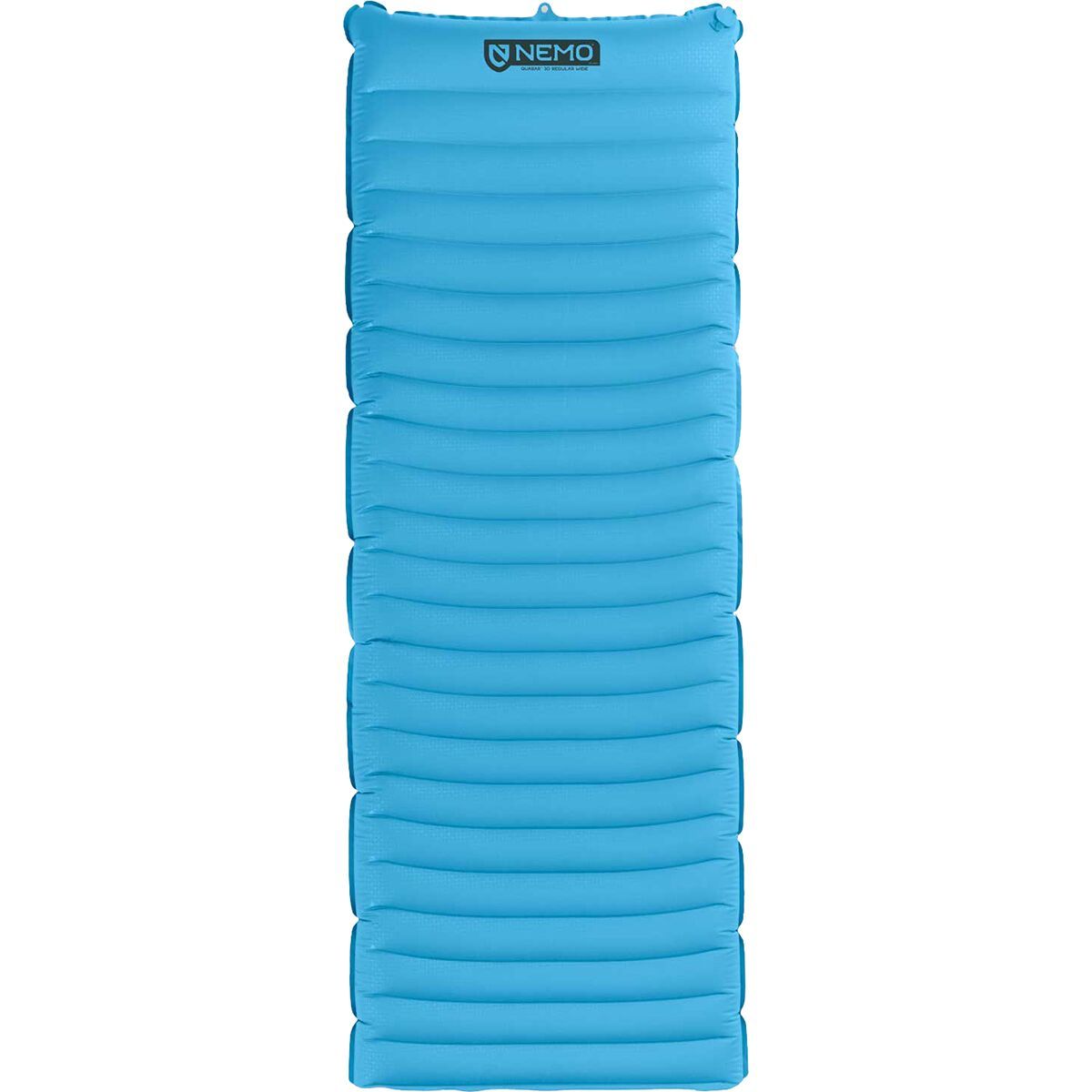
NEMO Equipment Quasar 3D Sleeping Pad
The rippled design keeps you centered on the pad while tossing and turning. Quick twist valve for easy deflation in the morning.
- 3D ripple design
- Stays centered
- Twist valve
- Comfortable cushioning
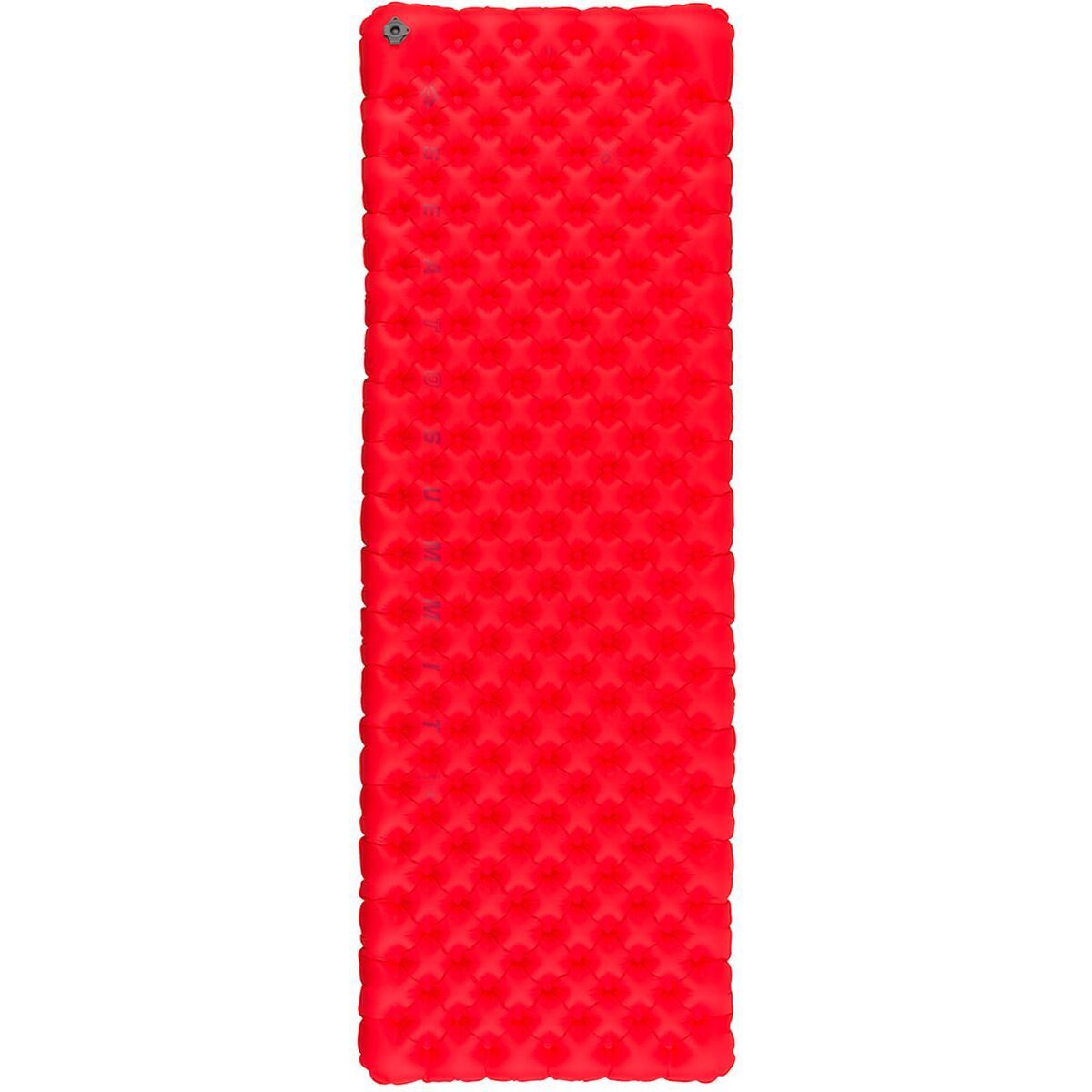
Sea To Summit Comfort Plus XT Insulated Sleeping Pad
Dot-weld pattern construction spreads pressure for relief on uneven terrain. Insulation reflects and traps heat for colder nights.
- Dot-weld construction
- Insulated design
- Regular wide size
- Premium comfort
Camp Furniture and Lighting
Big Agnes Big Six Camp Chair
Comfort is key for car camping. The tall back and wide seat conform to various body types, while the packable design makes it perfect for national park campgrounds.
- Tall back design
- Wide comfortable seat
- Packable design
- Durable construction
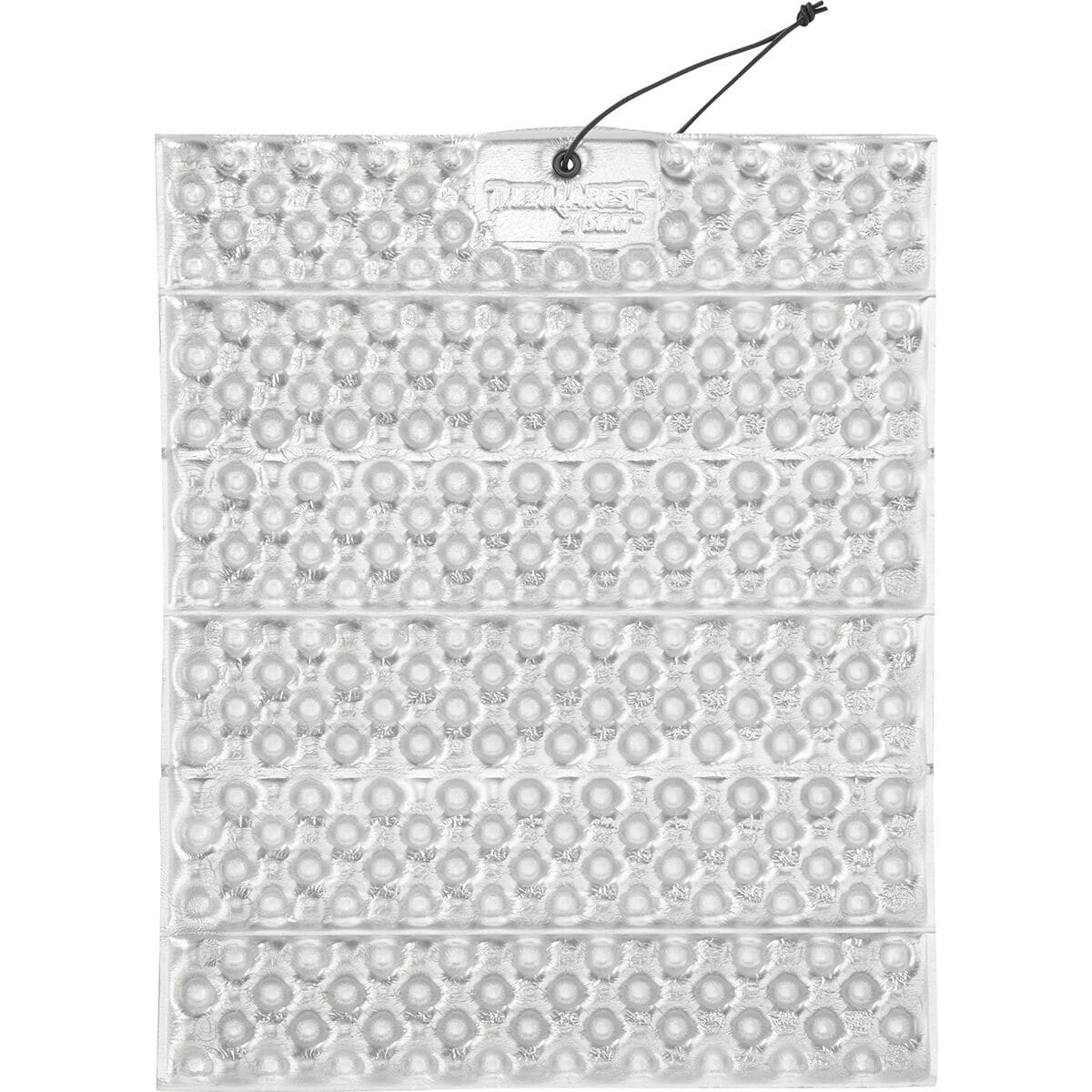
Therm-a-Rest Z Seat
This fold-up seat cushion weighs just 2 ounces and makes trail breaks comfortable. Perfect for ranger programs and scenic overlooks.
- Ultralight 2oz
- Closed-cell foam
- Folds compact
- Insulates from cold ground
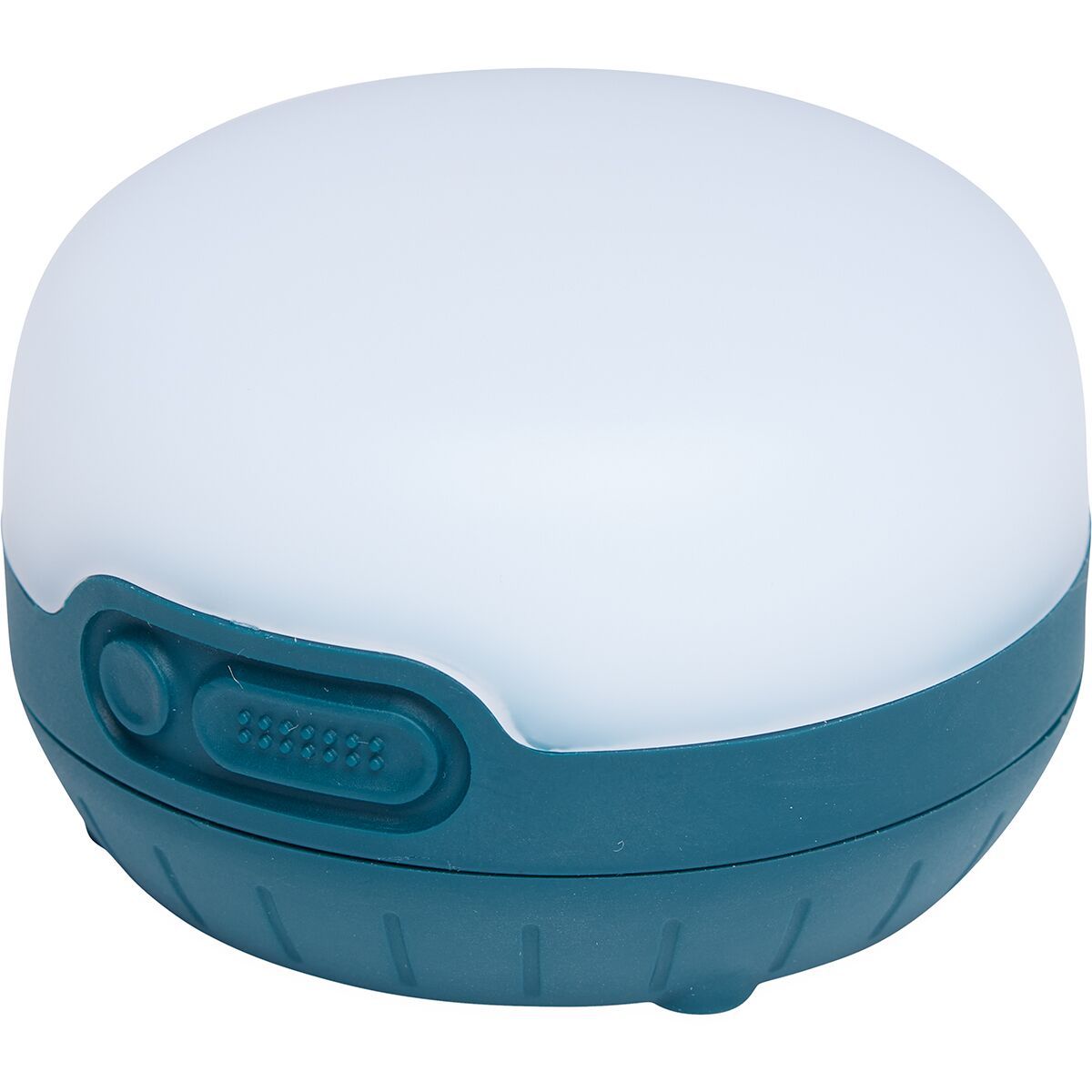
Black Diamond Moji+ Lantern
Glows with 150 lumens through a frosted globe. Dim at the touch of a button or switch colors for fun - including rainbow rotation for late-night entertainment.
- 150 lumens
- Color-changing modes
- Frosted globe
- Dimmable
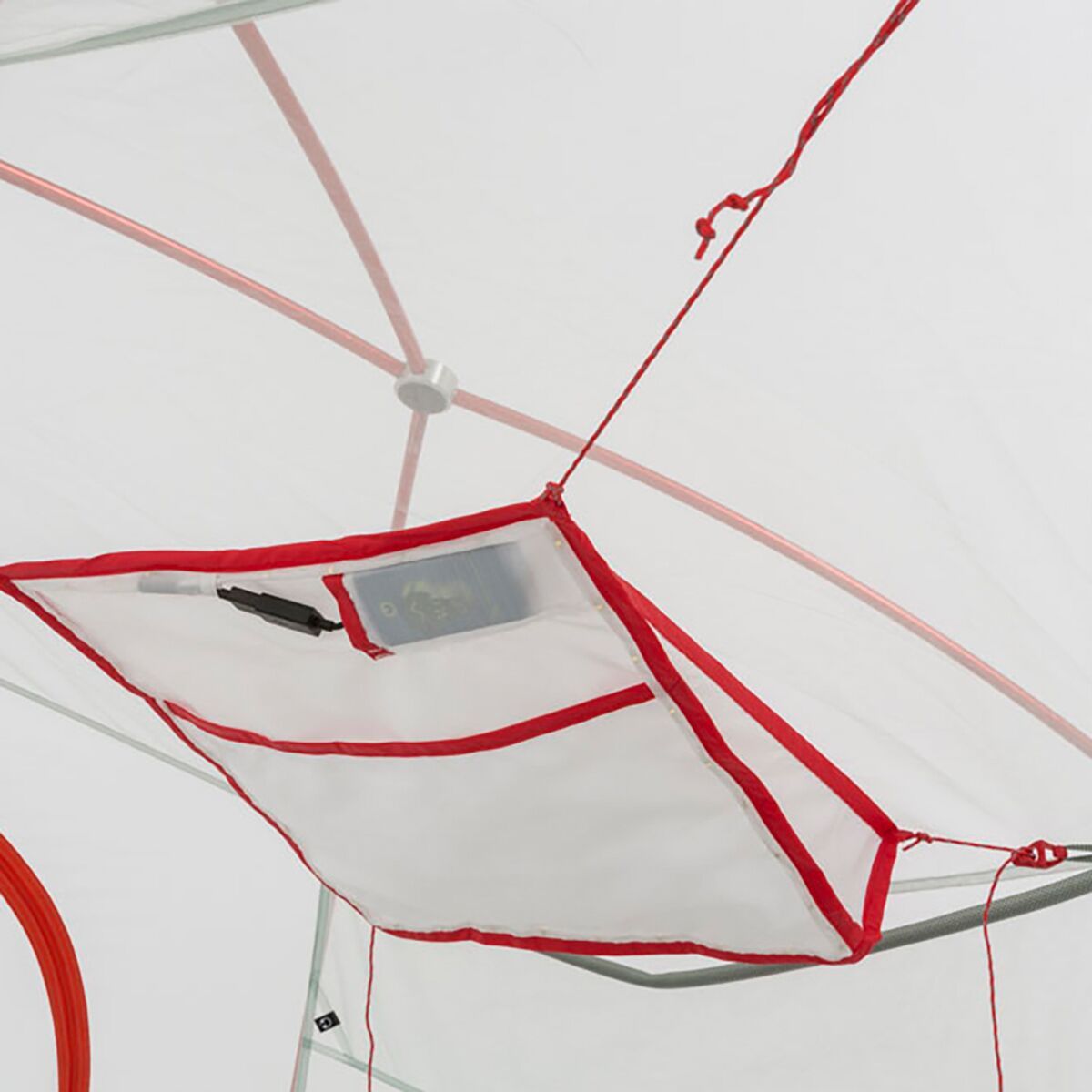
Big Agnes mtnGLO Gear Loft
No need to wear a headlamp to bed. The soft glow lights your tent while holding smaller essentials up and out of the way.
- Integrated LED lights
- Gear storage
- Soft ambient glow
- Fits most tents
Camp Kitchen
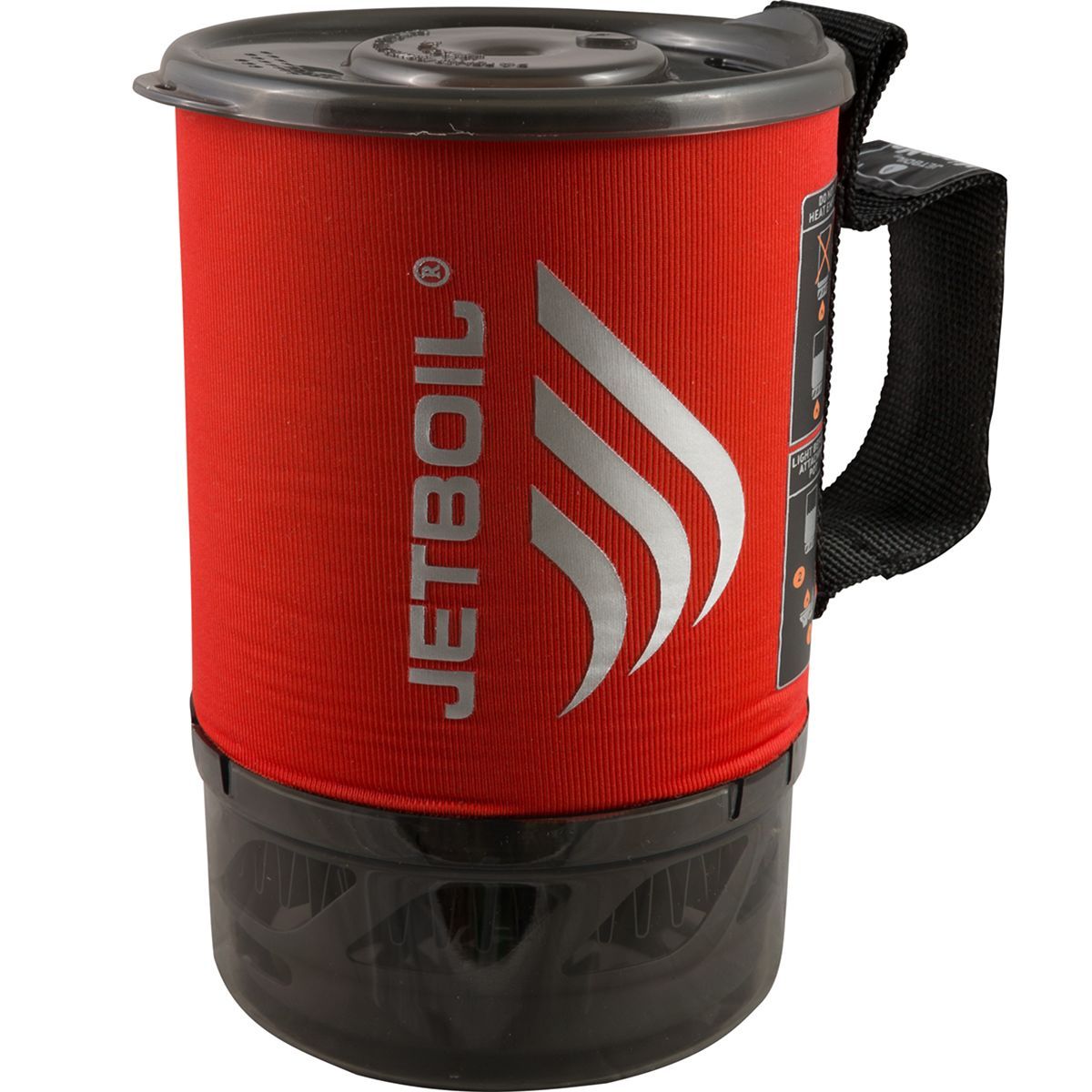
Jetboil MicroMo Stove
Weighing just 12 ounces, this ultralight stove boils water in just over two minutes. Wind-blocking shroud provides reliable performance down to 20F.
- 12oz ultralight
- Boils in 2 min
- Wind-blocking shroud
- Works to 20F
Day Visit vs. Overnight Planning
Both day trips and overnight stays offer unique advantages. The best choice depends on your family's experience level, the park's size, and what you hope to experience.
Day Visits
Advantages:
- Less gear to pack and manage
- No reservation stress
- Return to comfortable lodging
- Good for testing kids' interest
- Flexibility to leave if needed
Best For:
- - First national park visits
- - Younger children and babies
- - Smaller parks you can see in a day
- - Quick side trips on road trips
Planning Tips:
- - Arrive at park opening for parking
- - Prioritize 2-3 must-see attractions
- - Pack more snacks than you think
- - Check timed entry requirements
Overnight Stays
Advantages:
- Experience sunrise/sunset in the park
- See wildlife during active hours
- Night sky programs and stargazing
- Complete Junior Ranger without rushing
- Deeper immersion in nature
Best For:
- - Large parks requiring multiple days
- - Kids 5+ with some camping experience
- - Serious exploration and hiking
- - True disconnect from daily life
Planning Tips:
- - Book campgrounds 6 months ahead
- - Test camping gear before the trip
- - Plan one easy day mid-trip
- - Have rainy day backup plans
Sample Itineraries by Park Size
Small Parks (1 Day)
Joshua Tree, Saguaro, Hot Springs - Focus on 2-3 highlights, one ranger program, complete Junior Ranger.
Medium Parks (2-3 Days)
Acadia, Zion, Grand Teton - Stay overnight for sunrise/sunset, hit major features, attend evening programs.
Large Parks (4-7 Days)
Yellowstone, Grand Canyon, Olympic - Multiple regions to explore, plan by area, include rest days.
Safety in Wildlife Areas
Wildlife encounters are often the highlight of national park visits, but they come with responsibility. Teaching kids proper wildlife safety protects both your family and the animals. Most incidents occur when visitors get too close or feed animals.
The #1 Rule: Distance
Minimum Safe Distances:
- Bears:100 yards (length of a football field)
- Wolves:100 yards
- Bison:25 yards minimum (they're faster than they look!)
- Elk/Moose:25 yards
- All others:Stay far enough to not alter their behavior
Signs You're Too Close:
- - Animal stops eating and watches you
- - Ears flatten or turn toward you
- - Animal changes direction because of you
- - Huffing, snorting, or foot stomping
- - Animal approaches you (back away!)
Wildlife Safety Rules for Kids
- Look, don't touch: Never approach, pet, or chase wildlife
- No feeding: Human food harms animals and makes them dangerous
- Stay together: Never run ahead on trails in wildlife areas
- Make noise: Talk or sing on trails to avoid surprising animals
- Use binoculars: Best way to see wildlife up close safely
If You Encounter a Bear
- 1.Stay calm. Don't run - you can't outrun a bear.
- 2.Make yourself known. Talk calmly so bear knows you're human.
- 3.Back away slowly. Keep facing the bear, move diagonally.
- 4.Pick up children. Hold them to look larger together.
- 5.Never get between a mother and her cubs.
- 6.Carry bear spray and know how to use it.
Safe Wildlife Photography Tips
- Use a telephoto lens (200mm+) instead of getting closer
- Pull completely off the road - don't create "bear jams"
- Stay in or near your vehicle for large animals
- Turn off flash - it can startle and stress animals
- Give kids binoculars for close-up viewing
- Best times are dawn and dusk
Other Safety Considerations
Altitude Sickness
Many parks are at high elevation. Acclimate gradually, stay hydrated, and watch kids for headaches or nausea. Descend if symptoms worsen.
Water Safety
Never swim in thermal features (fatal). Rivers and waterfalls have swift currents. Always supervise kids near water.
Weather Changes
Mountain weather changes fast. Check forecasts, watch for afternoon thunderstorms, and always pack rain gear and extra layers.
Essential Gear for National Parks
The right gear makes national park adventures comfortable and safe. Here are our recommended packs and carriers to keep kids and families comfortable on the trail.
Child Carriers for Younger Kids

Kelty Journey PerfectFIT Elite 26L Backpack
PerfectFIT Suspension System adjusts easily between parents. Wide seat and adjustable foot stirrups grow with your baby, while the five-point harness ensures safety.
- PerfectFIT suspension
- Five-point harness
- Integrated sunshade
- Storage pockets
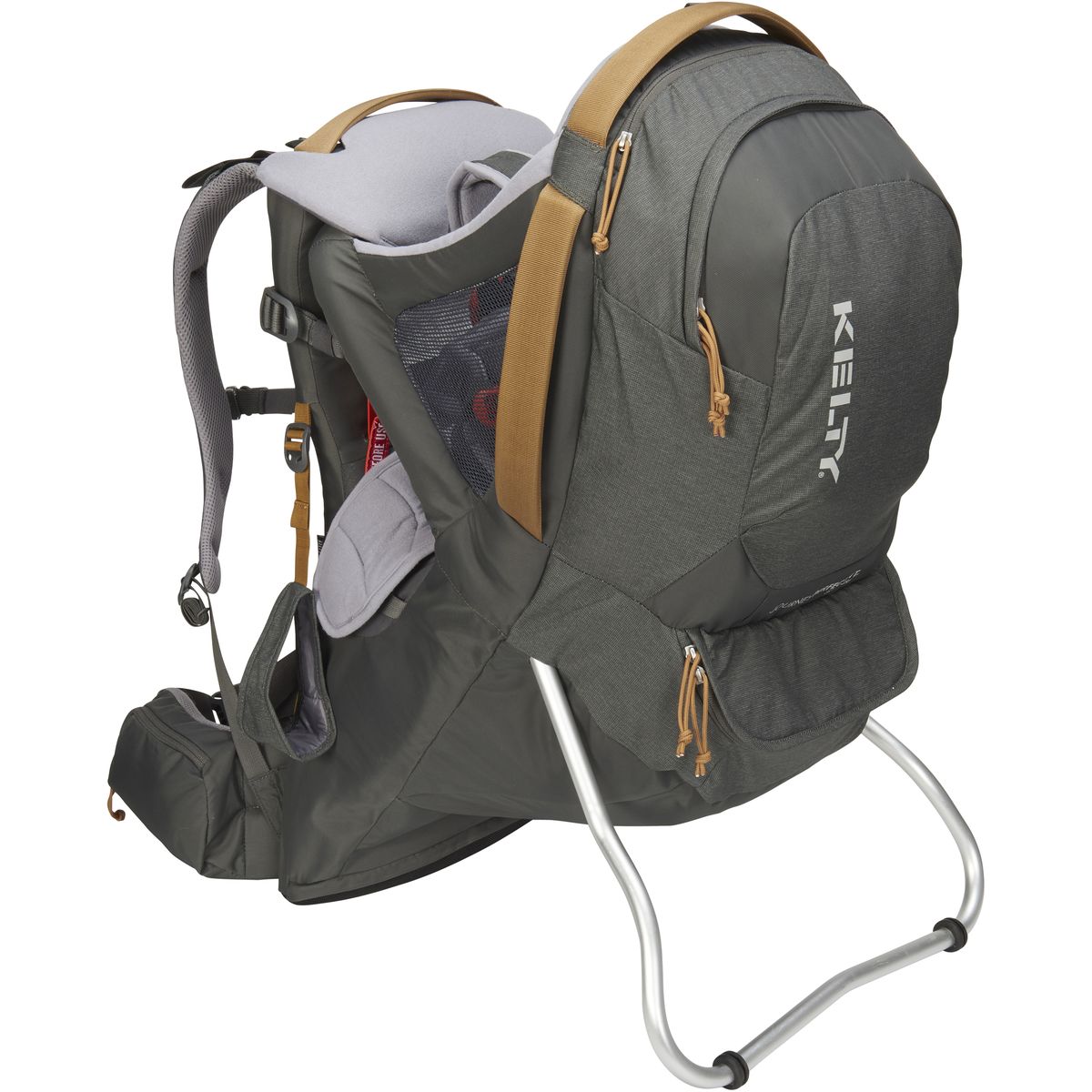
Kelty Journey PerfectFIT Signature 26L Backpack
Thoughtfully designed for both parents and child. PerfectFIT Suspension for easy torso adjustment, plus wide seat with adjustable foot stirrups for proper posture.
- Shared between parents
- Adjustable seat
- Comfortable for child
- Trail-ready storage
Day Hike Backpacks for Kids
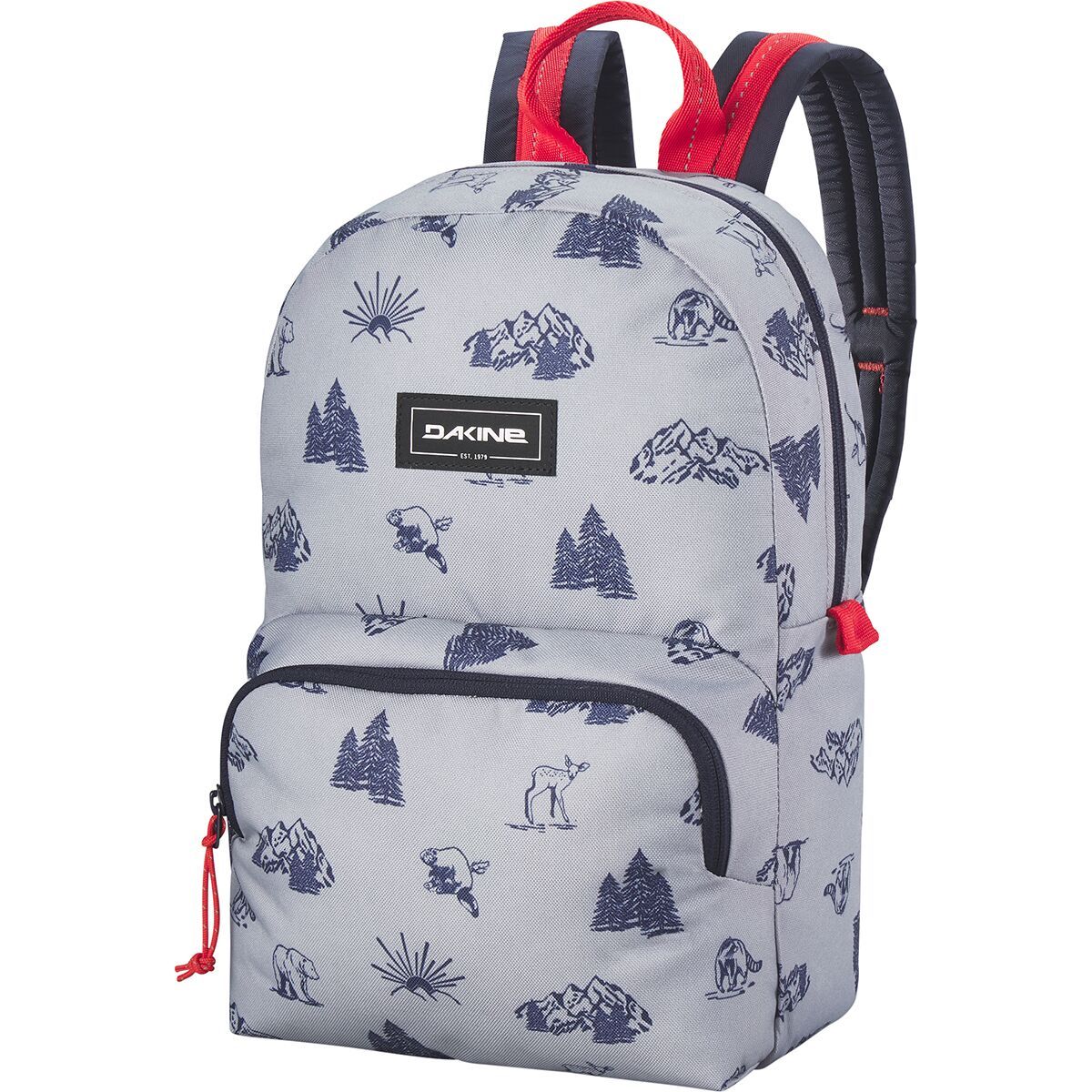
DAKINE Cubby 12L Backpack - Kids
Playful Forest Friends design makes kids want to wear it. Durable 600D recycled fabric stands up to park adventures.
- 12L capacity
- Recycled materials
- Kid-sized straps
- Playful design
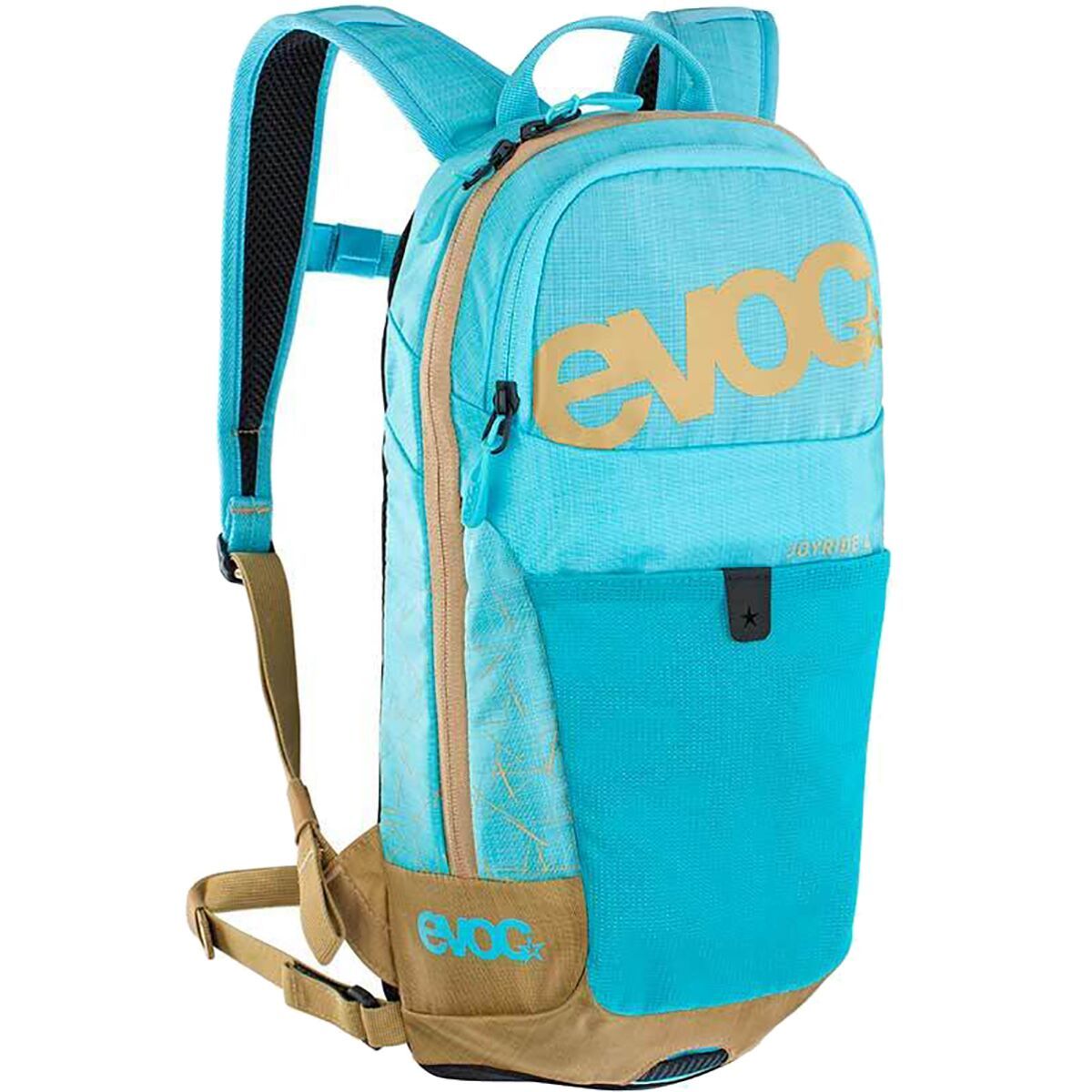
Evoc Joyride 5L Hydration Backpack - Kids
Lightweight performance kids backpack with outstanding carrying comfort and hydration-ready design for long park trails.
- Hydration compatible
- Lightweight
- Kids-specific fit
- Multiple pockets

Fjallraven Kanken 16L Backpack
Originally designed for Swedish school children, this iconic pack features water-resistant Vinylon F fabric and a removable seat pad.
- 16L capacity
- Water-resistant
- Removable seat pad
- Scandinavian design
National Park Day Pack Checklist
Essentials
- - Park map and trail info
- - Water bottles (extra for kids)
- - Snacks and lunch
- - Sunscreen and sun hats
- - First aid kit
- - Bug spray
For Kids
- - Junior Ranger booklet
- - Crayons and pencils
- - Kid binoculars
- - Small field guide
- - Camera or phone for photos
- - Special snacks for motivation
Just In Case
- - Rain jackets for everyone
- - Extra layers (mountains get cold)
- - Headlamp or flashlight
- - Whistle for each child
- - Portable phone charger
- - Bear spray (if applicable)
Frequently Asked Questions
What age is best to start taking kids to national parks?
You can take kids to national parks at any age. Babies can enjoy scenic drives and short nature walks in carriers. Toddlers love visitor center exhibits and very short trails. By age 4-5, kids can complete Junior Ranger activities and handle longer trails. The experience just looks different at each age. Start with shorter visits and build up as kids grow.
Are strollers allowed in national parks?
Strollers are allowed on paved trails and in developed areas but not on most natural hiking trails. Many parks have excellent paved paths - the Rim Trail at Grand Canyon, boardwalks at Yellowstone, and carriage roads at Acadia are all stroller-friendly. For trail hiking, child carriers work much better. Check specific park websites for stroller-accessible routes.
How much does it cost to visit a national park?
Most national parks charge $30-35 per vehicle for a 7-day pass. Kids under 16 are always free. The America the Beautiful Annual Pass costs $80 and covers unlimited visits to all parks for a year - worth it if visiting 2+ parks. Fourth graders get free annual passes through Every Kid Outdoors. Some parks (like Great Smoky Mountains) have no entrance fee at all.
What is the best time of year to visit national parks?
It depends on the park, but generally shoulder seasons (May-early June and September-October) offer the best combination of good weather, smaller crowds, and available camping. Summer is most popular but crowded and hot at lower elevations. Some parks are spectacular in winter with fewer visitors. Check each park's specific seasonal considerations.
How far in advance should I book camping?
Popular parks like Yosemite and Yellowstone fill exactly 6 months in advance - often within minutes of opening. Set calendar reminders and be ready at 7am MT when reservations open on Recreation.gov. Less popular parks may have availability closer to your dates. Always have backup options including nearby national forests, which often have last-minute availability.
Are pets allowed in national parks?
Pets are allowed in limited areas of most national parks - typically paved roads, parking areas, and developed campgrounds. They are not allowed on most trails, in buildings, or in wilderness areas. This protects wildlife and keeps pets safe from predators. If traveling with pets, research each park's specific rules and consider boarding or pet-sitting options.
What if my child gets tired on a long trail?
Plan for this by choosing trails you can turn around early on, bringing a child carrier as backup for younger kids, and packing plenty of motivating snacks. Take breaks often, play games to distract tired legs, and set small goals ("let's just make it to that rock"). Never be afraid to turn around - a positive shorter hike beats a miserable long one.
Is there cell service in national parks?
Cell service is limited or nonexistent in most national parks. You may get signal at visitor centers and developed areas, but expect to be disconnected on trails and in remote areas. Download offline maps before you go, bring paper maps, and embrace the chance to unplug as a family. Let someone at home know your plans in case of emergency.
How do I keep kids engaged at overlooks and scenic stops?
Give kids jobs: let them take photos, look for specific wildlife with binoculars, or read the interpretive signs aloud. Ask open-ended questions about what they see. Bring binoculars for close-up viewing. Set time expectations ("we'll stay 10 minutes"). Focus on 2-3 amazing overlooks rather than rushing through every single one.
What if it rains during our national park trip?
Have backup plans! Visitor centers have exhibits and ranger programs perfect for rainy days. Museum-style attractions like cave tours or historic buildings work in any weather. Scenic drives stay enjoyable. Light rain can actually enhance experiences - fewer crowds, waterfalls flowing, and wildlife often more active. Pack quality rain gear and embrace the adventure.
Affiliate Disclosure: ParentCalc earns a commission from qualifying purchases made through the links on this page. This helps support our mission to provide free parenting resources. We only recommend products we trust and believe will help families explore national parks together. Prices and availability are subject to change.