Kids Down Jackets Guide
Everything you need to know about choosing warm, lightweight down and insulated jackets for kids
2026 Product Picks
Our latest product roundups related to this guide:

Patagonia Down Sweater Jacket - Kids
A winter staple with 600-fill recycled down and windproof ripstop shell. Layers easily under a shell for ski days or works perfectly on its own for everyday wear.
- 600-fill recycled down
- Windproof ripstop shell
- Elastic cuffs & adjustable hem
- Made with recycled materials
Down jackets are the gold standard for keeping kids warm in cold weather. Incredibly lightweight yet remarkably warm, down insulation provides an unbeatable warmth-to-weight ratio that allows children to stay active and comfortable even in the coldest conditions. Whether you're preparing for ski trips, winter hikes, or everyday cold-weather wear, understanding down jackets helps you make the best choice for your child.
This comprehensive guide covers everything from fill power ratings and temperature guidelines to care instructions and the down vs. synthetic debate. We've partnered with Backcountry to bring you the best kids' down and insulated jackets from trusted brands like Patagonia, The North Face, and Columbia.
Down vs Synthetic Insulation: Which is Best for Kids?
Both down and synthetic insulation have their place in kids' outerwear. Understanding the pros and cons of each helps you choose the right jacket for your child's activities and climate.
Down Insulation
Natural clusters from duck or goose feathers that trap air to create exceptional warmth.
Advantages
- Best warmth-to-weight ratio
- Extremely compressible/packable
- Long-lasting with proper care
- Lightweight and comfortable
Considerations
- Loses insulation when wet
- Takes longer to dry
- More expensive
- Requires special washing care
Synthetic Insulation
Man-made polyester fibers (like PrimaLoft or Thermogreen) that mimic down's properties.
Advantages
- Retains warmth when wet
- Dries quickly
- Easy to wash at home
- More affordable
Considerations
- Heavier for same warmth level
- Less compressible
- Shorter lifespan (loses loft over time)
- Bulkier appearance
Our Recommendation for Kids
For dry, cold climates: Choose down for maximum warmth with minimal weight. For wet, variable climates: Synthetic insulation is more practical and easier to care for. For active, messy kids: Synthetic jackets are easier to wash and maintain.
Fill Power Explained
Fill power measures down's quality and insulating ability. It indicates how many cubic inches one ounce of down occupies. Higher fill power means better insulation for less weight. For kids' jackets, 550-700 fill power is ideal, balancing warmth, weight, and value.
Fill Power Comparison
| Fill Power | Warmth | Weight | Best For |
|---|---|---|---|
| 450-500 | Good | Heavier | Budget options, mild cold |
| 550-600 | Very Good | Medium | Everyday wear, most kids |
| 650-700 | Excellent | Light | Cold climates, premium quality |
| 750-850 | Superior | Ultralight | Extreme cold, mountaineering |
What Fill Power Means
A jacket with 700-fill down uses fewer feathers to achieve the same warmth as a 550-fill jacket. This means:
- - Lighter weight for same warmth
- - More compressible/packable
- - Usually longer lasting
- - Higher quality down clusters
For Kids' Jackets
We recommend 550-700 fill power for most kids' jackets:
- - 550-600: Great for everyday wear
- - 650-700: Ideal for cold climates
- - 700+: Premium, for serious cold
- - Below 500: Budget options only
Temperature Ratings Guide
Most down jackets don't have official temperature ratings, but understanding general guidelines helps you choose the right jacket for your climate. Activity level matters significantly. A running child stays warmer than one sitting in a stroller.
Jacket Selection by Temperature
| Temperature | Recommended Jacket | Activity Level |
|---|---|---|
| 50°F to 65°F (10°C to 18°C) | Light fleece or vest | High activity |
| 35°F to 50°F (2°C to 10°C) | Down vest or light down jacket | Moderate activity |
| 20°F to 35°F (-7°C to 2°C) | Mid-weight down jacket | Mixed activity |
| 0°F to 20°F (-18°C to -7°C) | Heavy down jacket or parka | Low activity |
| Below 0°F (Below -18°C) | Expedition-weight down with layering | Minimal outdoor time |
Activity Level Makes a Big Difference
A child running around the playground generates significant body heat and may need a lighter jacket than temperatures suggest. A child in a stroller or car seat needs warmer insulation since they're not moving. Always adjust jacket choice based on planned activity.
Best Kids Down Jackets
Down jackets offer the best warmth-to-weight ratio available. These premium options from Patagonia use recycled down and responsible sourcing. Perfect for cold, dry climates and ski trips.
Patagonia Down Sweater Jacket - Kids'
A winter staple with 600-fill recycled down and windproof ripstop shell. Layers easily under a shell for ski days or works perfectly on its own for everyday wear.
- 600-fill recycled down
- Windproof ripstop shell
- Elastic cuffs & adjustable hem
- Made with recycled materials
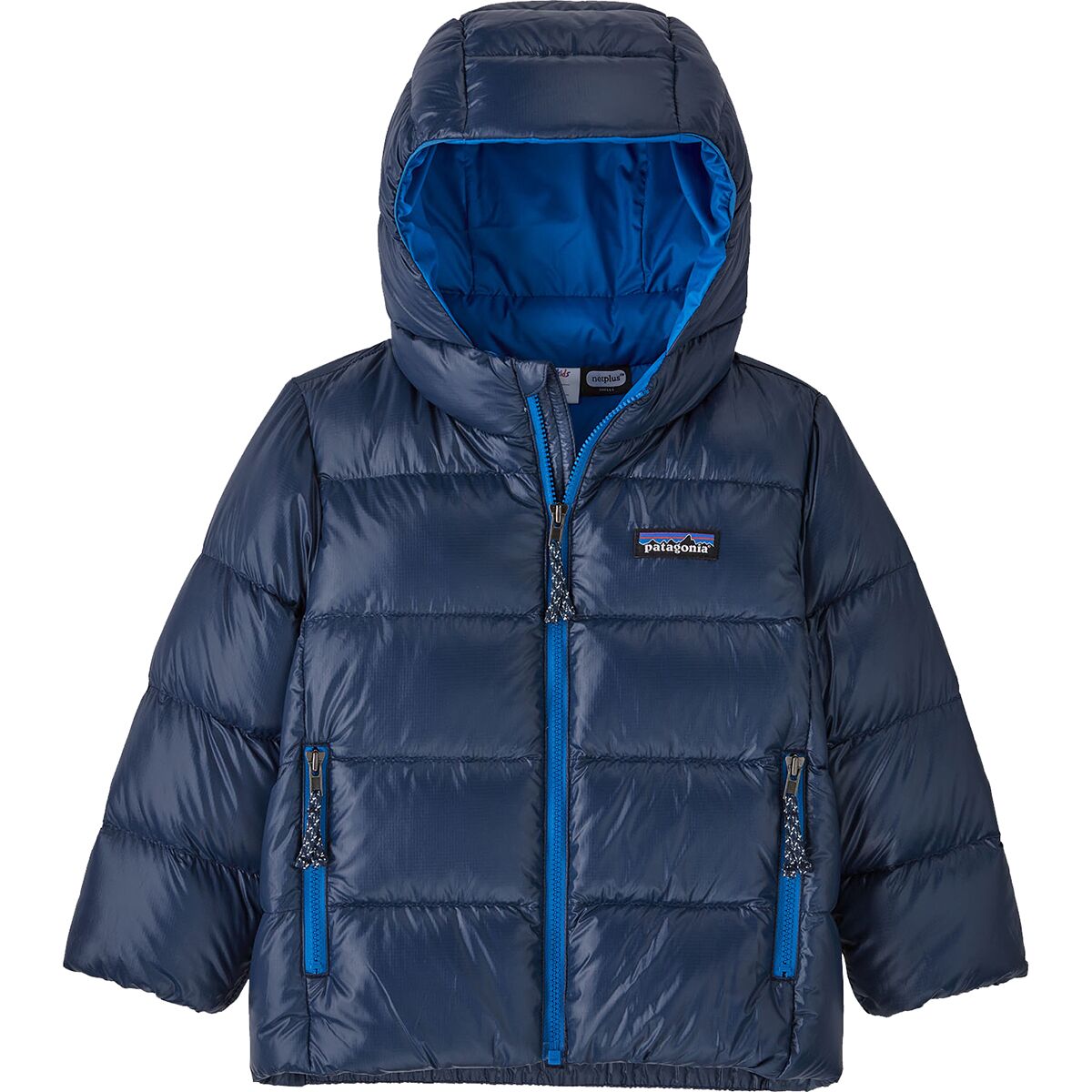
Patagonia Hi-Loft Down Sweater Hoodie - Toddlers'
700-fill recycled down with Pertex Quantum Eco shell. Perfect for bundling up on the coldest days with elastic binding at hood, cuffs, and hem.
- 700-fill recycled down
- Pertex Quantum Eco shell
- Insulated hood
- Made from recycled materials
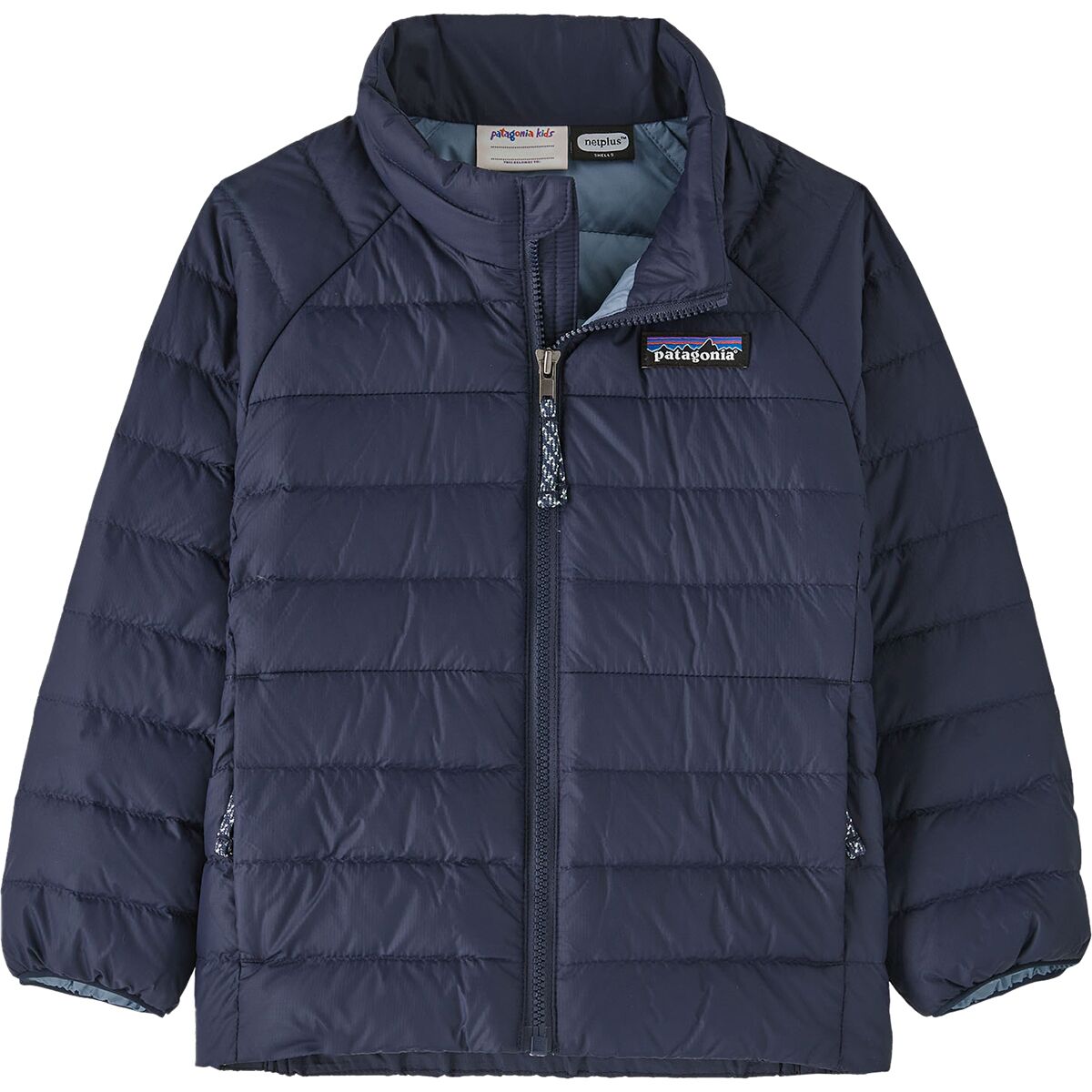
Patagonia Down Sweater Jacket - Toddlers'
Mirrors the performance of the adult favorite with 600-fill down insulation. Lightweight, easy-to-wear package perfect for everyday adventures.
- 600-fill down insulation
- Recycled polyester shell
- Raised collar
- Zippered hand pockets
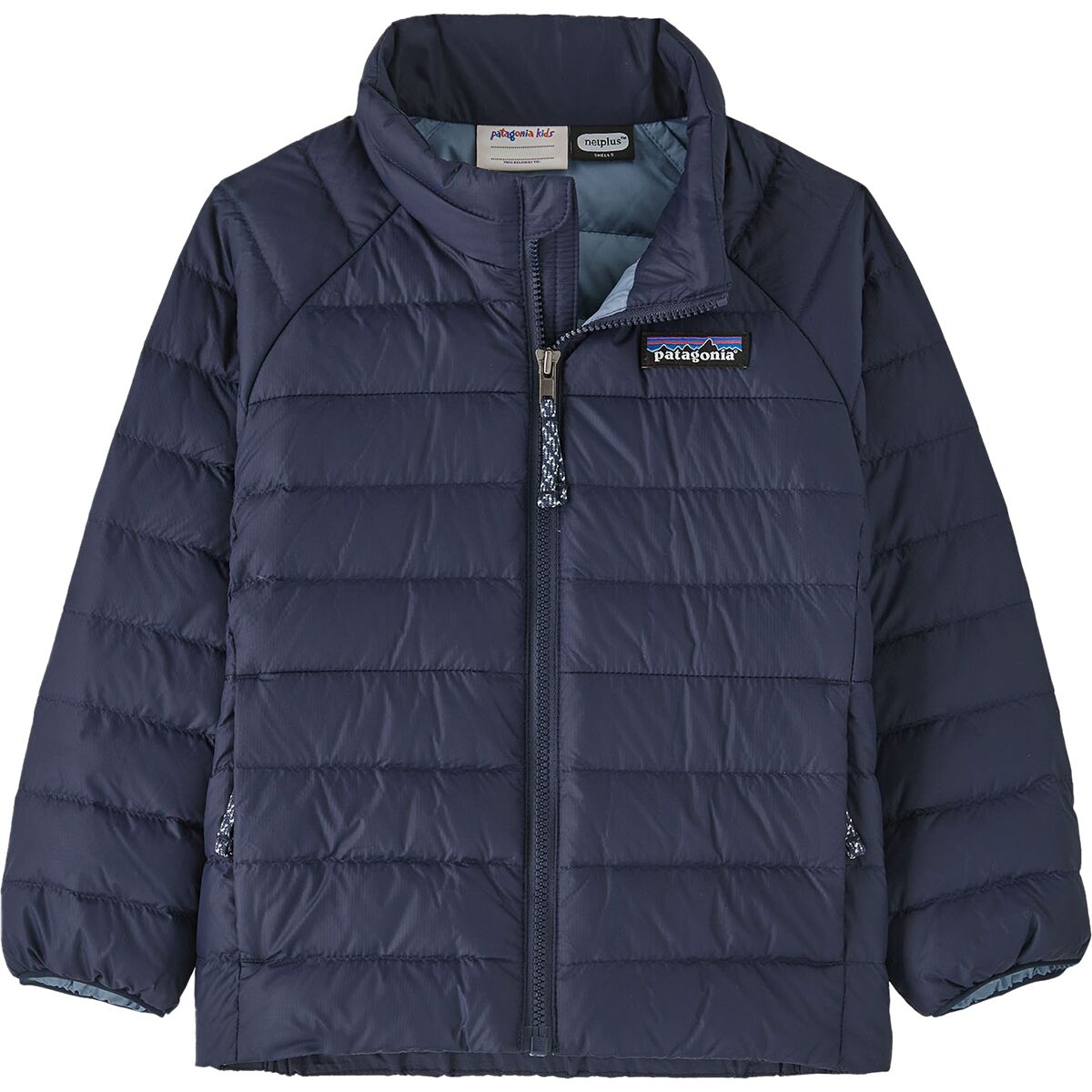
Patagonia Down Sweater Jacket - Infants'
700-fill recycled down provides pillow-soft insulation that traps heat without feeling bulky. Smooth taffeta lining makes it easy to pull on over layers.
- 700-fill recycled down
- Nylon ripstop shell
- Taffeta lining
- Elastic-bound cuffs
Best Synthetic Insulated Jackets
Synthetic insulation performs better in wet conditions and is easier to care for. These jackets are ideal for active kids, rainy climates, and parents who want low-maintenance outerwear.
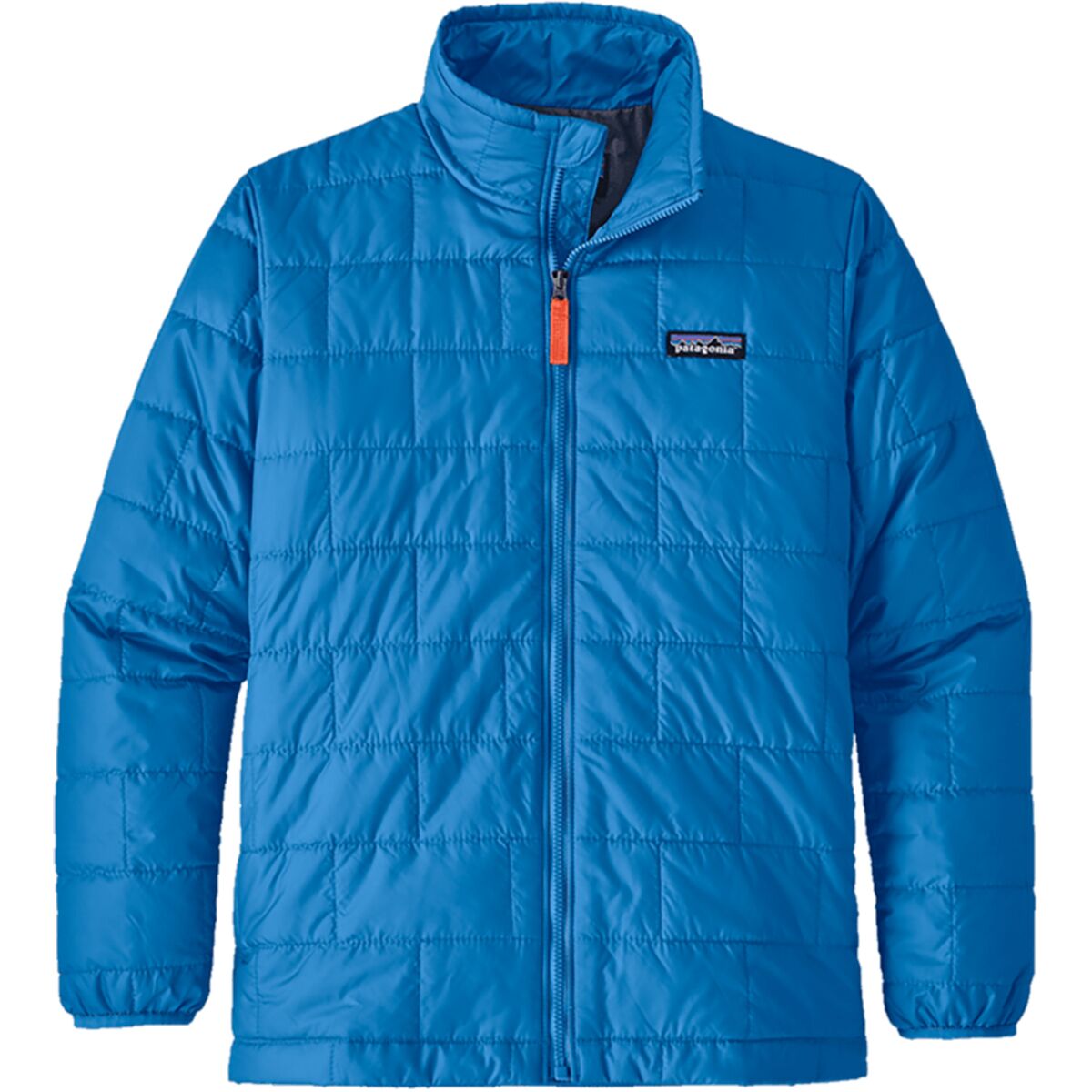
Patagonia Nano Puff Brick Quilt Jacket - Kids'
PrimaLoft Gold Eco insulation delivers consistent warmth even in wet conditions. NetPlus shell fabric made from recycled fishing nets.
- PrimaLoft Gold Eco insulation
- NetPlus recycled shell
- Warm when wet
- Lightweight & packable

Columbia Powder Lite II Hooded Jacket - Girls'
Omni-Heat reflective lining amplifies body warmth. Water-resistant shell with recycled Thermarator insulation for reliable heat.
- Omni-Heat reflective lining
- Water-resistant shell
- Thermarator insulation
- Adjustable storm hood

The North Face Reversible Shasta Full-Zip Jacket - Girls'
Two looks in one with reversible design. Heatseeker Eco insulation with one side blocking snow and other wrapping in plush fleece.
- Reversible design
- Heatseeker Eco insulation
- Water-resistant shell
- Relaxed fit for layering
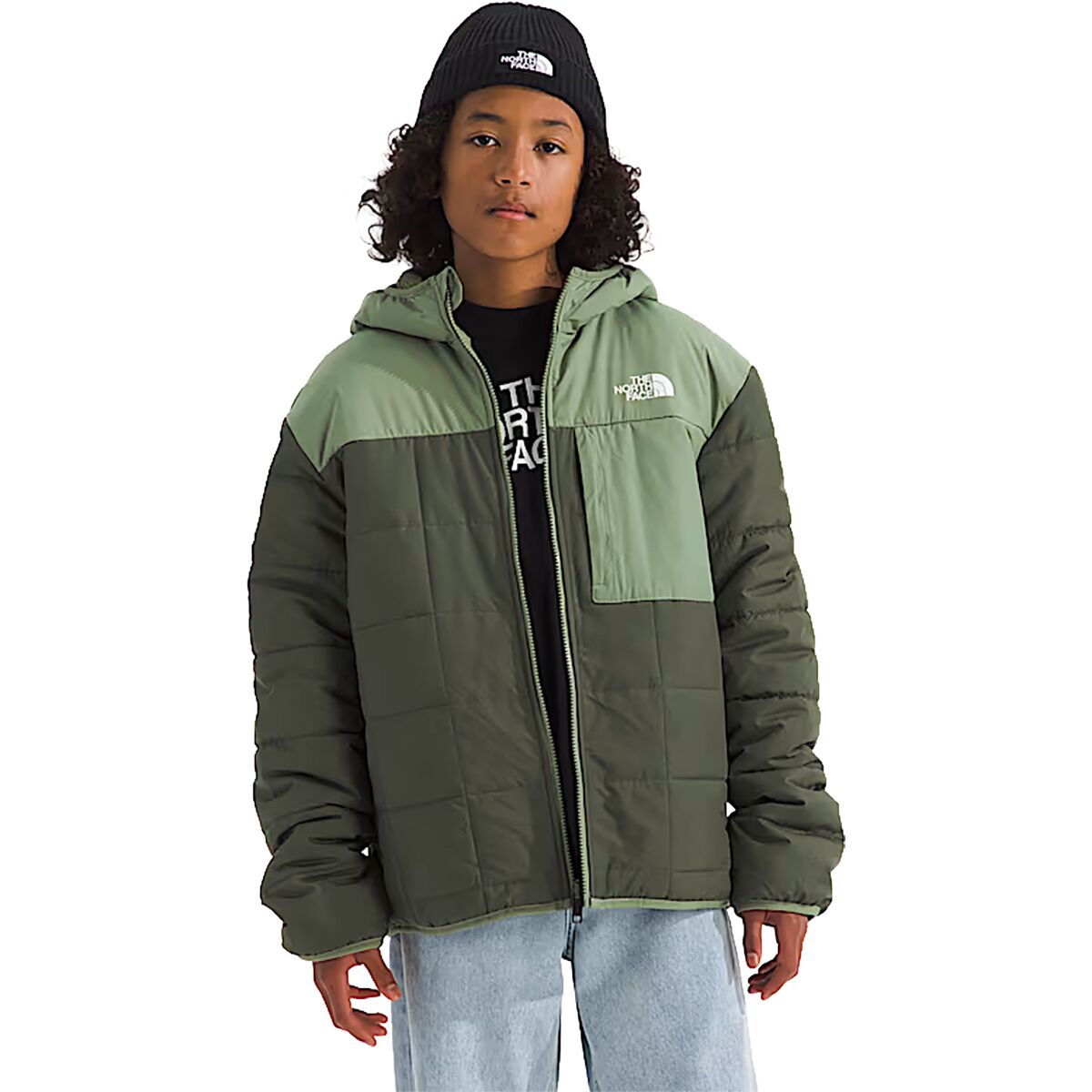
The North Face Reversible Shasta Full-Zip Hooded Jacket - Boys'
Fully reversible with DWR finish. Heatseeker Eco insulation keeps kids cozy without bulk. Fixed hood adds extra protection.
- Reversible design
- Fixed insulated hood
- DWR water-resistant finish
- Recycled polyester shell
Kids Down Vests
Down vests provide core warmth while leaving arms free for movement. Perfect for layering, active play, and transitional seasons when full jackets are too warm.
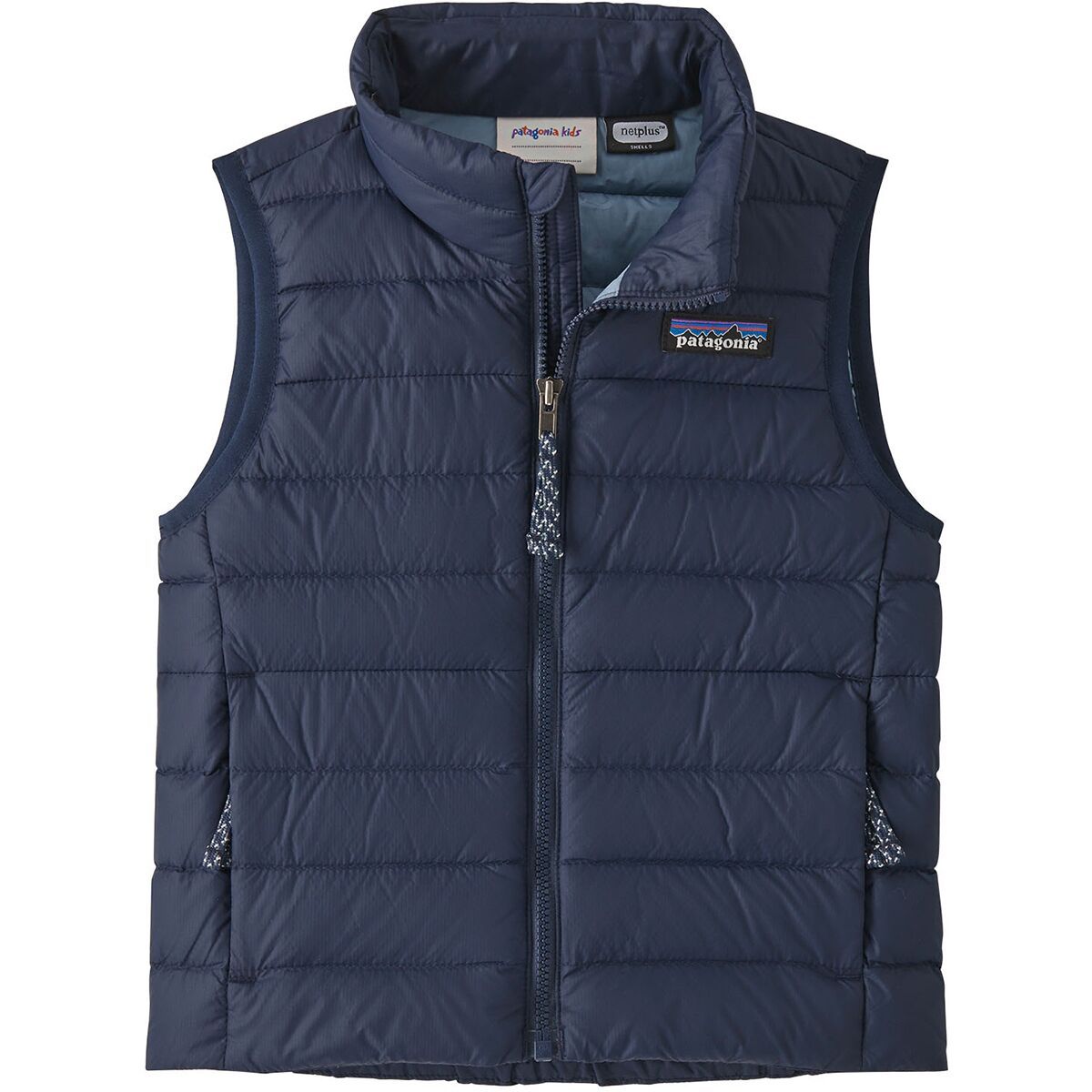
Patagonia Down Sweater Vest - Toddlers'
700-fill recycled down delivers dependable warmth without bulk. Arms stay free for movement and play while core stays insulated.
- 700-fill recycled down
- DWR-coated shell
- Reflective webbing pulls
- Zippered hand pockets
Infant & Baby Down Jackets
Keeping babies warm requires special attention. These infant down jackets provide lightweight warmth perfect for stroller walks, carriers, and car seat transitions.

Patagonia Hi-Loft Down Sweater Hoodie - Infants'
Powerful down warmth in comfy, durable materials. Made from recycled fabrics and recycled insulation for gentler impact on the planet.
- 700-fill recycled down
- Recycled shell fabric
- Insulated hood
- Light snow resistance
Kid-Friendly Features to Look For
The best kids' down jackets include thoughtful features designed for young wearers. Here's what to prioritize when shopping.
Easy Zippers
Large zipper pulls, garage (chin guard), and smooth action help kids dress themselves. Look for full-length zippers that extend to the hem.
Adjustable Hood
An insulated, adjustable hood provides extra warmth. Elastic binding keeps hoods snug without drawstrings (safety hazard for young kids).
Elastic Cuffs & Hem
Elastic binding at wrists and hem seals out cold air and snow. Some jackets include adjustable hems for custom fit.
Water-Resistant Shell
A DWR (Durable Water Repellent) coating helps shed light snow and rain, protecting the down insulation from moisture damage.
Hand Pockets
Zippered hand pockets keep small hands warm and secure treasures (rocks, snacks). Fleece lining adds extra comfort.
Name Tag
Interior name tags help keep track of jackets at school, daycare, and playdates. Some brands include "hand it down" labels for siblings.
Down Jacket Care & Washing
Proper care extends the life of down jackets and maintains their insulating properties. Down requires different care than synthetic insulation.
Washing Down Jackets
- Close all zippers and Velcro
- Use a front-loading washer (top-loaders can damage down)
- Use cold water and gentle cycle
- Use down-specific wash (Nikwax Down Wash)
- Rinse twice to remove all soap
- Tumble dry LOW with 2-3 clean tennis balls
- Dry completely (may take 2-3 hours)
Washing Synthetic Jackets
- Close all zippers and Velcro
- Machine wash warm, gentle cycle
- Use regular mild detergent
- Avoid fabric softener
- Tumble dry low or hang dry
- Can re-apply DWR coating if needed
- Much easier than down care!
Down Washing Don'ts
- - Never use regular detergent (strips natural oils)
- - Never use fabric softener
- - Never wring or twist the jacket
- - Never dry clean (harsh chemicals damage down)
- - Never store wet or damp
- - Never use high heat when drying
Storage Tips
- Store loosely hung or in a large breathable bag
- Never compress down jackets for long-term storage
- Keep in cool, dry place away from direct sunlight
- Fluff/shake periodically to maintain loft
When to Use Down vs Fleece
Down and fleece serve different purposes in your child's wardrobe. Understanding when to use each helps build a versatile cold-weather gear collection.
| Factor | Down Jacket | Fleece Jacket |
|---|---|---|
| Warmth Level | Excellent (very warm) | Moderate (cool to cold) |
| Wind Protection | Good (with shell fabric) | Poor (wind goes through) |
| Wet Weather | Avoid (loses insulation) | Okay (stays warm when wet) |
| Best Use | Outer layer or under shell | Mid-layer or light outer |
| Temperature Range | Below 35°F (2°C) | 35°F to 55°F (2°C to 13°C) |
| Care | Special washing needed | Easy machine wash |
| Durability | Delicate (can leak feathers) | Very durable (kid-proof) |
Choose Down When:
- Temperature drops below 35°F (2°C)
- Weather is cold and dry
- Child will be less active (stroller, car seat)
- Packability matters (travel, ski trips)
- Maximum warmth with minimum weight needed
Choose Fleece When:
- Temperature is 35°F to 55°F (2°C to 13°C)
- Weather may be damp or rainy
- Child will be highly active
- Easy care is priority
- Everyday school/play use
Kids Down Jacket Size Guide
Sizing Tips for Down Jackets
Down jackets should fit comfortably over a base layer with room for movement but not be so large that they're bulky. For layering under a ski shell, consider sizing up. Down compresses easily, so a slightly fitted jacket still allows good range of motion.
Kids Down Jacket Size Chart
| Age | Size | Height | Chest |
|---|---|---|---|
| 3-6 months | 3M-6M | 23-26" | 16-17" |
| 6-12 months | 6M-12M | 26-29" | 17-18" |
| 12-18 months | 12M-18M | 29-31" | 18-19" |
| 2 years | 2T | 32-34" | 20-21" |
| 3 years | 3T | 35-38" | 21-22" |
| 4 years | 4T | 39-41" | 22-23" |
| 5 years | 5T/XS | 42-44" | 23-24" |
| 6-7 years | S | 45-49" | 24-26" |
| 8-9 years | M | 50-54" | 26-28" |
| 10-12 years | L | 55-59" | 28-30" |
| 12-14 years | XL | 60-63" | 30-32" |
Frequently Asked Questions
Are down jackets safe for babies and toddlers?
Yes, down jackets are safe for babies and toddlers when used appropriately. Choose jackets without drawstrings (safety hazard), ensure the fit allows proper movement, and remember that down jackets should NOT be worn in car seats as they compress and create slack in the harness. Remove the jacket and use a blanket over the secured harness instead.
How warm is a 600-fill vs 700-fill down jacket?
A 700-fill jacket is warmer for the same weight of insulation because higher fill power down is more efficient at trapping air. However, the total warmth also depends on how much down is used. A 600-fill jacket with more down can be as warm as a 700-fill jacket with less down. For kids, 600-700 fill power is the sweet spot, balancing warmth, weight, and durability.
Can kids wear down jackets in the rain?
Down loses its insulating properties when wet, so it's not ideal for rainy conditions. Most quality down jackets have DWR (water-repellent) coating that sheds light moisture, but prolonged exposure to rain will saturate the down. For wet climates, choose synthetic insulation or layer a down jacket under a waterproof shell.
How often should I wash a kids' down jacket?
Wash down jackets sparingly, only 1-2 times per season unless visibly dirty. Over-washing can damage the down and DWR coating. Spot clean small stains when possible. When washing is necessary, use a down-specific wash like Nikwax Down Wash and follow proper down-care procedures.
What's the difference between duck down and goose down?
Goose down clusters are generally larger than duck down, providing better loft and insulation at the same fill power. However, high-quality duck down (550+ fill) performs excellently and is more affordable. For kids' jackets, the difference is minimal since either provides adequate warmth when properly designed.
Is recycled down as warm as new down?
Yes, recycled down performs identically to virgin down when properly processed. Brands like Patagonia use certified recycled down that meets the same quality standards. Recycled down is an environmentally responsible choice that doesn't sacrifice warmth or performance. Look for certifications like RDS (Responsible Down Standard).
Should I buy my child's down jacket a size up?
It depends on intended use. For standalone wear, true-to-size works well since down compresses easily. For layering under a ski jacket, consider sizing up. Buying slightly larger can extend the jacket's usable life through growth spurts, but too-large jackets are bulky and less effective at retaining heat.
Why is my down jacket leaking feathers?
Some feather migration is normal, especially with new jackets. The down works its way through the fabric weave initially, then settles. Excessive feather loss may indicate lower-quality fabric or construction. Premium jackets use down-proof fabric that minimizes migration. Avoid pulling at escaping feathers; push them back in instead.
Related Guides
Kids Fleece Jackets
Complete guide to fleece types, warmth ratings, and top picks
Kids Winter Boots
Snow boots and winter footwear for kids of all ages
Skiing with Kids
Complete guide to kids' ski gear, layering, and safety
Kids Gloves & Mittens
Keep little hands warm with our complete hand-wear guide
Rain Gear for Kids
Waterproof jackets, boots, and rainwear guide
Kids Ski Clothes
Complete ski clothing and layering guide for kids
Ready to Find the Perfect Down Jacket?
Browse our curated selection of kids' down and insulated jackets from Patagonia, The North Face, and Columbia at Backcountry. New customers get 15% off their first order!
Shop Kids Down Jackets at BackcountryParentCalc is reader-supported. When you buy through links on our site, we may earn an affiliate commission at no extra cost to you.
This helps us continue providing free parenting resources and guides.