Kids Scooter Guide 2026
The best scooters for every age, how to pick the right type and size, and the safety gear that goes with them
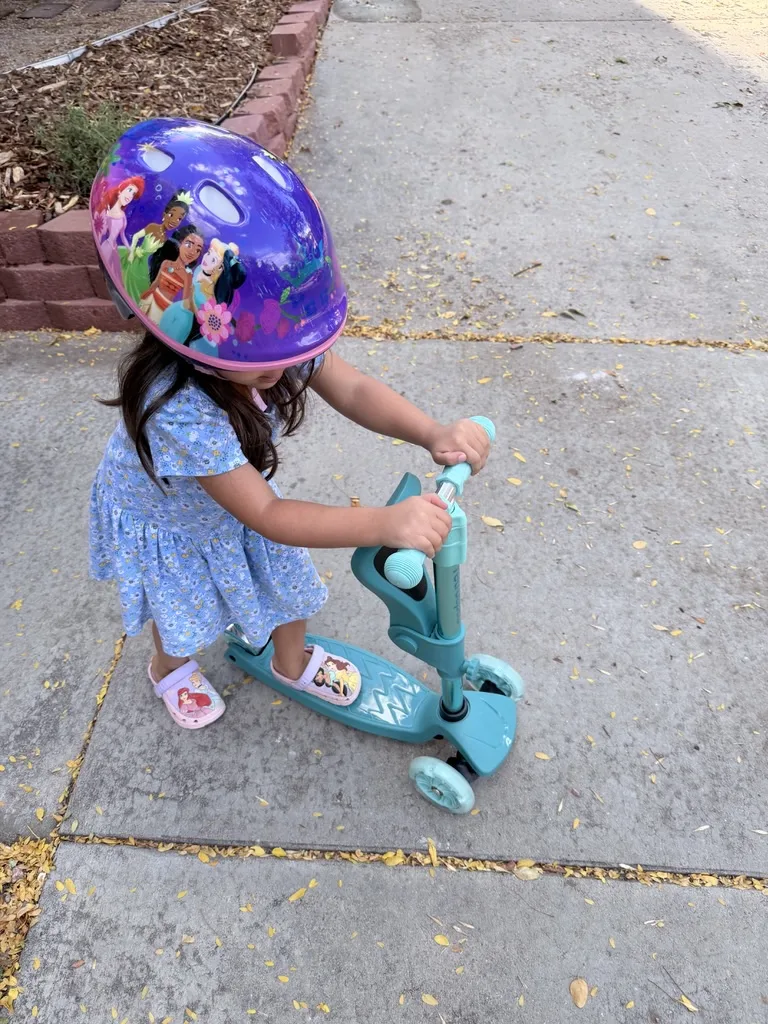
Retrospec Chipmunk Plus Kids Kick Scooter
The one scooter in this guide we have ridden ourselves. Our 3.5 year old was scooting within 5 minutes of opening the box, with no tools needed. The folding, removable seat is what sets it apart: when she got tired halfway through the ride, she sat down and steered while we pushed.
- Ages 3 and up, rated to 130 lbs
- Seat folds up or comes off completely
- Light-up wheels
- Handlebar adjusts from 24" to 31.5"
Read our hands-on Chipmunk Plus review
Retrospec is a ParentCalc partner and sent us this scooter free to test. We earn a commission if you buy through this link.
The right scooter depends almost entirely on your child's age. Toddlers and preschoolers do best on a stable 3-wheel scooter, ideally one with a seat for when their legs give out. Around age 5, kids are ready for a larger 3-wheeler or their first 2-wheel scooter. From about 8, the ones who want to do tricks need a stunt scooter built for it.
Below are our picks for each stage. One of them, the Retrospec Chipmunk Plus, we have ridden ourselves. The rest are chosen from manufacturer specifications and owner feedback, and we say so on each one. After the picks you will find how to choose a type and size, the safety gear worth buying, and how to teach a first ride.
Best Kids Scooters by Age
| Scooter | Ages | Type | Price |
|---|---|---|---|
| Retrospec Chipmunk PlusTESTED BY US | 3+ | 3-wheel with folding, removable seat | $49.99 |
| Micro Kickboard Mini 3-Wheel Scooter | 2-5 | 3-wheel, lean-to-steer | Under $125 |
| Micro Kickboard Mini 3-in-1 Ride-On Scooter | 1-5 | 3-wheel with seat, converts | Under $150 |
| Radio Flyer My 1st Scooter | 2-5 | 3-wheel, wide base | Under $50 |
| Micro Kickboard Maxi 3-Wheel Scooter | 5-12 | 3-wheel, lean-to-steer | Under $175 |
| Razor A Kick Scooter | 5+ | 2-wheel, folding | Under $50 |
| Razor A5 Lux Kick Scooter | 8+ | 2-wheel, large wheels | Under $125 |
| Envy One S3 Complete Scooter | Beginner riders | Stunt (pro) scooter | Under $150 |
First scooters: ages 1 to 5
Look for three wheels, a low deck and a handlebar that adjusts. A seat is worth having at this age: young kids tire quickly, and a scooter they can sit on keeps the outing going. Our tested pick for this age, the Retrospec Chipmunk Plus, is at the top of this page (full review). These are the other scooters we would look at.

Micro Kickboard Mini 3-Wheel Scooter
The scooter you see at every preschool drop-off. Micro rates the Mini for ages 2 to 5 and riders up to 110 lbs, with an adjustable T-bar that grows with your child. It costs more than most toddler scooters, and it tends to get handed down to the next sibling.
- Ages 2-5, up to 110 lbs (per Micro)
- Lean-to-steer with an adjustable aluminum T-bar
- Slip-resistant deck
- 2-year manufacturer warranty

Micro Kickboard Mini 3-in-1 Ride-On Scooter
For families who want to start before age 2. Micro describes it as three rides in one box: a ride-on with a seat at age 1, a stand-up scooter with a short O-bar at age 2, and the regular Mini with a T-bar from age 3.
- Ages 12 months to 5 years, up to 110 lbs (per Micro)
- Seat with two heights for the youngest riders
- Converts to the standard Mini as they grow
- Non-marking wheels for indoor and outdoor use
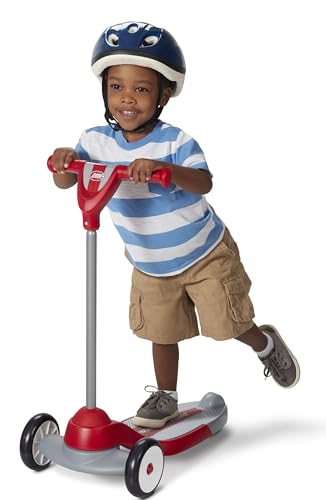
Radio Flyer My 1st Scooter
A simple, inexpensive first scooter from a brand most parents grew up with. Radio Flyer designs it for ages 2 to 5 with an extra-wide base and two front wheels for stability, and a turning radius made for beginners.
- Ages 2-5 (per Radio Flyer)
- Extra-wide base with two front wheels
- Textured deck and rear foot brake
Bigger kids: ages 5 to 12
At this age the choice is between a larger 3-wheel scooter, which stays stable and carves by leaning, and a 2-wheel folding scooter, which is faster and easier to carry but takes more balance. Kids who already ride a bike without training wheels usually take to two wheels quickly.

Micro Kickboard Maxi 3-Wheel Scooter
The step up from the Mini for kids who love carving on three wheels. Micro rates the Maxi for ages 5 to 12 and up to 110 lbs. A good fit for a child who has outgrown a toddler scooter and is not interested in two wheels yet.
- Ages 5-12, up to 110 lbs (per Micro)
- Lean-to-steer with an adjustable T-bar
- Polyurethane wheels for sidewalks and paved paths
- 2-year manufacturer warranty

Razor A Kick Scooter
The classic folding kick scooter, and still the easiest way into two wheels. Aluminum frame, adjustable handlebars and a rear fender brake. It folds for the car trunk or the walk home from the park.
- Lightweight aluminum construction
- Folds for carrying and storage
- Adjustable handlebar height
- Rear fender brake, urethane wheels

Razor A5 Lux Kick Scooter
For older and taller kids who ride farther. Razor gives the A5 Lux extra-large urethane wheels for a smoother ride, plus a larger deck and a taller adjustable handlebar built to support bigger riders.
- Extra-large urethane wheels
- Larger deck and taller adjustable T-tube
- Soft foam grips
Stunt scooters: for the skatepark
Folding scooters are not built for jumps. A stunt scooter has fixed bars and a reinforced deck, and it does not fold. Buy one only when your child is actually asking to ride ramps, and pair it with a helmet and full pads.

Envy One S3 Complete Scooter
If your child wants to ride the skatepark, a folding kick scooter is the wrong tool. Envy calls the One S3 its entry-level scooter for young beginners, built with the same quality of parts as its more advanced models.
- Entry-level complete from a dedicated stunt scooter brand
- Fixed one-piece bars with no folding joint
- Made for pavement and skatepark riding
How we chose: we rode the Chipmunk Plus ourselves. The other scooters are picked from manufacturer specifications and owner feedback, and we have not tested them in person. Ages and weight limits are the manufacturers' own. Each Amazon listing was checked as in stock when this guide was updated.
Types of Kids Scooters
3-Wheel Scooters (Kick Scooters)
The most popular choice for beginners, 3-wheel scooters have two wheels in front and one in back, providing exceptional stability. They use a lean-to-steer mechanism that helps develop balance naturally.
Best For:
- Toddlers ages 2-5
- First-time scooter riders
- Building confidence and balance
Key Features:
- Wide, stable deck
- Lean-to-steer technology
- Low deck height
2-Wheel Scooters (Kick Scooters)
The classic scooter design with one wheel in front and one in back. Requires more balance but offers greater speed, maneuverability, and is better for older kids and longer distances.
Best For:
- Kids ages 5-12
- Kids who have mastered balance
- Longer rides and commuting
Key Features:
- Foldable for easy transport
- Adjustable handlebar height
- Larger wheels for speed
Pro Scooters (Stunt Scooters)
Built for tricks, jumps, and skate park riding. Pro scooters are reinforced for high-impact landings and feature smaller, harder wheels for better control during tricks.
Best For:
- Kids ages 8+
- Skate park riders
- Learning tricks and stunts
Key Features:
- Reinforced deck and bars
- Metal core wheels
- One-piece fixed bars (no folding)
Age Recommendations
| Age | Scooter Type | Key Considerations |
|---|---|---|
| 2-3 years | 3-wheel with seat option | Low deck, wide base, sit-to-stand transition |
| 3-5 years | 3-wheel lean-to-steer | Adjustable handlebar, lightweight, rear brake |
| 5-8 years | 2-wheel or advanced 3-wheel | Foldable option, larger wheels, front and rear brake |
| 8-12 years | 2-wheel or entry-level pro | Higher weight capacity, durable construction |
| 12+ years | Pro scooter or adult kick scooter | Full-size bars, professional components |
Important Note
These are general guidelines. Every child develops differently. Consider your child's coordination, confidence, and physical size when choosing a scooter type.
Essential Safety Gear
Safety gear is non-negotiable for scooter riders of all ages. A fall from even a slow-moving scooter can cause serious injuries without proper protection.
Helmet (Required)
The most important piece of safety equipment. A properly fitted helmet greatly reduces the risk of a serious head injury in a fall.
- Must be CPSC certified for cycling/skating
- Sit level on head, 2 finger-widths above eyebrows
- Replace after any crash or drop
Knee Pads (Recommended)
Knees are often the first point of contact in a fall. Quality knee pads prevent scrapes, bruises, and more serious injuries.
- Look for hard-shell caps with foam backing
- Adjustable straps for secure fit
- Essential for beginners and trick riders
Elbow Pads (Recommended)
Protect elbows from scrapes and impact during falls. Especially important when learning or doing tricks.
- Should allow full arm movement
- Breathable materials for comfort
- Size appropriately, should not slide
Wrist Guards (For Beginners)
Wrist injuries are common when kids put their hands out to break a fall. Wrist guards provide crucial support.
- Hard splint prevents hyperextension
- Padded palm absorbs impact
- Velcro straps for secure fit
A Helmet and Pads to Go With It
Buy the helmet with the scooter so the first ride starts with it on. A dual-certified bike and skate helmet covers scooters, bikes and skateboards, and a set of knee pads, elbow pads and wrist guards is worth adding for beginners and anyone riding ramps.

Retrospec Scout Kids Bike & Skate Helmet
A kids bike and skate helmet from the same brand as our tested scooter, in toddler and kids sizes with a dial to fine-tune the fit.
- Toddler 45-49cm, Kids 49-53cm
- Impact-absorbing foam liner, 14 vents, ErgoKnob fit dial
Retrospec is a ParentCalc partner. We earn a commission if you buy through this link.

Retrospec Protect Knee & Elbow Pads w/ Wrist Guards
Knee pads, elbow pads and wrist guards in one set, which is the simplest way to cover a beginner.
- Child 3-9 years
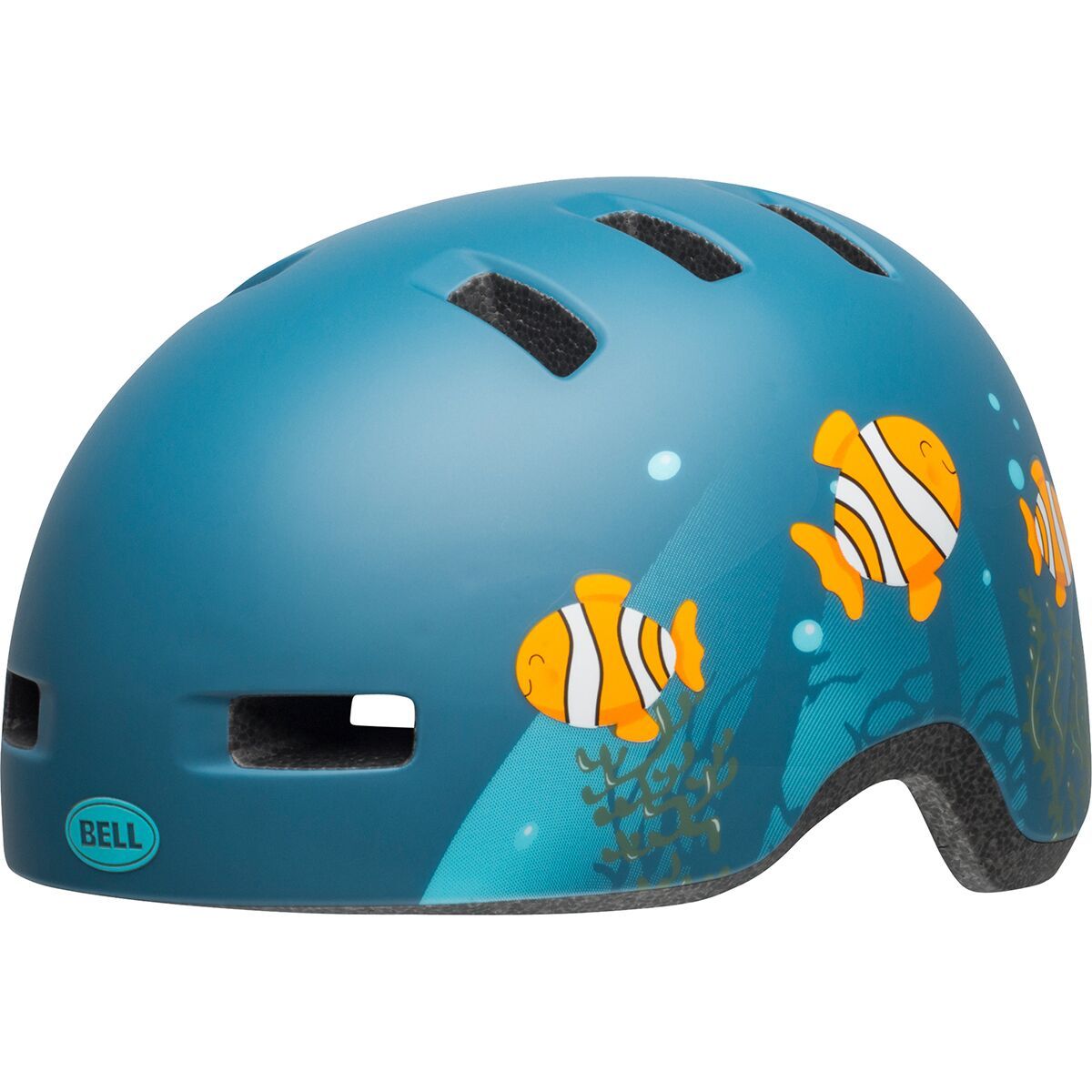
Bell Lil Ripper Helmet - Kids
Now that they're riding on their own scooters, keep them safe in the Bell Lil Ripper Helmet. This hybrid-style helmet is compact and light, perfect for scooter riders.
- Active Fit dial system
- No-pinch buckle
- Kid-manageable independently
- Hybrid skate/scooter style
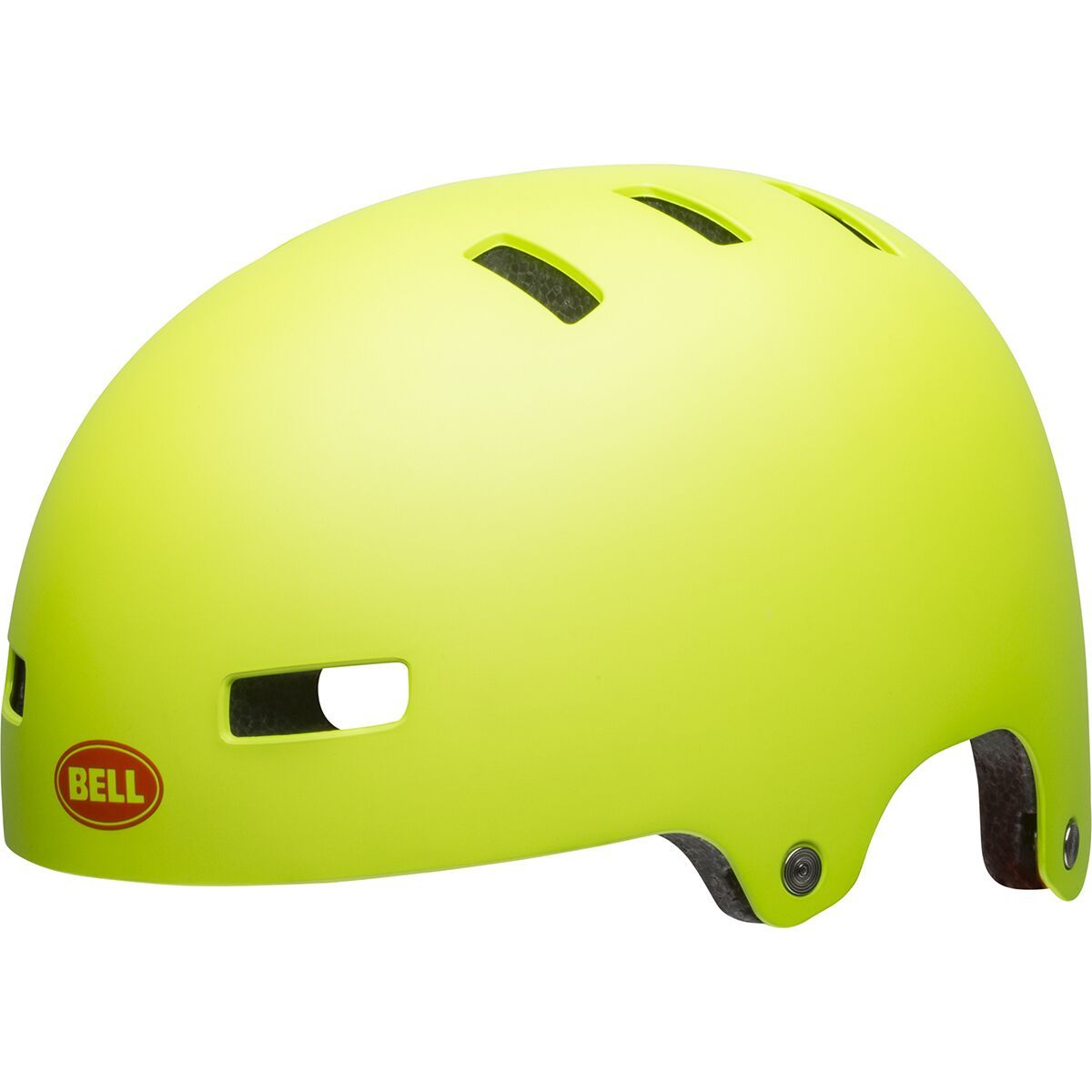
Bell Span Helmet - Kids
The bright colors and popping patterns make staying protected exponentially more fun. Adjustment system mirrors adult-sized helmets for proper fit.
- 10 cooling vents
- Adult-style fit system
- Multiple sizes available
- Skate-inspired design
Best Kids Scooter Brands
Micro Scooters
Swiss-engineered premium scootersThe gold standard in kids scooters. Micro is best known for its lean-to-steer scooters and for exceptional build quality, safety features, and durability. Higher price point but built to last through multiple children.
Top Models:
- Mini Micro Deluxe
- Maxi Micro Deluxe
- Micro Sprite
Price Range:
Premium
Best For:
Quality-focused families, ages 2-12
Razor
The original kick scooter brandRazor popularized kick scooters in the early 2000s and remains a top choice for value-conscious families. Wide range of models from basic kick scooters to electric and pro stunt scooters.
Top Models:
- Razor A Kick Scooter
- Razor A3 Kick Scooter
- Razor Pro XX
Price Range:
Budget to mid-range
Best For:
Budget-friendly options, ages 5-14
Globber
French innovation for young ridersKnown for their innovative convertible scooters that grow with your child. The Evo and Primo series can transform from sit-on rides to stand-up scooters, offering excellent value as kids develop.
Top Models:
- Globber Evo 4-in-1
- Globber Primo Foldable
- Globber Flow Foldable
Price Range:
Mid-range to premium
Best For:
Growing toddlers, ages 1-6
Teaching Kids to Ride
Teaching your child to ride a scooter is an exciting milestone. Follow these steps for a safe and successful learning experience.
Step-by-Step Guide
Gear Up First
Before any riding, put on the helmet and any protective pads. Make this a non-negotiable routine from day one. Let your child help buckle their own helmet to build ownership of the safety process.
Start on Flat Ground
Find a flat, smooth surface like a driveway, empty parking lot, or paved path. Avoid grass, gravel, or uneven surfaces. The smoother the surface, the easier it is to learn.
Practice Standing Still
Have your child stand on the scooter deck with both hands on the handlebars. Practice shifting weight and getting comfortable with the stance before any movement.
Teach the Push
With one foot on the deck, show them how to push with the other foot. Start with small, gentle pushes. For 3-wheel scooters, demonstrate leaning to steer. For 2-wheel scooters, show how to turn the handlebars.
Practice Braking
Most scooters have a rear fender brake. Teach your child to press down on it with their heel to stop. Practice stopping before teaching faster riding. Reinforce that they should never jump off a moving scooter.
Gradually Increase Challenge
Once they are confident on flat ground, introduce gentle slopes, turns, and obstacles. Always supervise and stay within their skill level. Celebrate progress and be patient with setbacks.
Tips for Success
- Keep sessions short (10-15 minutes) to maintain focus
- Praise effort, not just success
- Let them go at their own pace
- Ride alongside them on your own scooter or bike
Common Mistakes to Avoid
- Pushing too hard or moving too fast
- Starting on slopes before mastering flat ground
- Skipping safety gear "just this once"
- Letting frustration show, stay positive
Scooter Maintenance Tips
Regular maintenance keeps scooters safe and extends their lifespan. Teach kids to help with basic maintenance to build responsibility.
Weekly Checks
- Wheel Spin: Spin each wheel to ensure smooth rotation without wobble or grinding sounds
- Brake Test: Press the brake to confirm it stops the wheel effectively
- Handlebar Tightness: Check that handlebars are secure and don't twist
- Deck Check: Look for cracks, chips, or damage to the deck
Monthly Maintenance
- Tighten Bolts: Use an Allen key or wrench to tighten all visible bolts
- Clean Bearings: Wipe dirt from wheel bearings; add lubricant if needed
- Check Wheel Wear: Replace wheels that are flat-spotted or worn thin
- Folding Mechanism: Ensure the fold/lock mechanism works smoothly
When to Replace Parts or the Scooter
- Wheels have flat spots or are worn to the core
- Brake no longer stops the scooter effectively
- Cracks appear in the deck or fork
- Bearings grind even after cleaning and lubricating
- Handlebar or stem is bent or damaged
- Child has outgrown the weight or height limit
Frequently Asked Questions
Is a scooter with a seat worth it?
For toddlers and preschoolers, yes. Young kids run out of energy or interest partway through a ride, and a seat lets them sit and keep going. On our own rides with the Retrospec Chipmunk Plus, our 3.5 year old sat on the folded-down seat and steered while we pushed. Choose a seat that folds away or comes off, so the scooter still works as a normal stand-up scooter later.
What age can my child start riding a scooter?
Most children can start on a 3-wheel scooter around age 2-3, once they can walk steadily and follow basic instructions. 2-wheel scooters typically work best for kids 5 and up who have developed better balance and coordination.
Do kids really need to wear helmets on scooters?
Yes, absolutely. Scooter-related head injuries are common and preventable. A helmet should be worn every single time, even for short rides. Many states have laws requiring helmets for children on scooters. Beyond the law, it is simply good sense, a fall at even walking speed can cause serious head injury.
What is the difference between a regular scooter and a pro scooter?
Pro scooters (also called stunt scooters) are designed for tricks and skate park use. They have reinforced decks, fixed handlebars (no folding), metal core wheels, and can handle the impact of jumps and tricks. Regular kick scooters are lighter, often foldable, and designed for cruising and commuting.
How do I know if a scooter is the right size for my child?
The handlebars should reach between your child's waist and chest when they stand on the deck. Many scooters have adjustable handlebars that can grow with your child. The deck should be wide enough for comfortable foot placement, and your child should be able to reach the brake with their heel comfortably.
Is it worth paying more for a premium scooter brand like Micro?
Premium scooters like Micro typically offer smoother rides, better bearings, more durable construction, and longer lifespan. If you plan to use the scooter frequently or pass it down to siblings, the investment is often worth it. For casual use or to test interest, a quality mid-range option like Globber or Razor works well.
How often should scooter wheels be replaced?
This depends on usage, riding surfaces, and wheel quality. Signs it is time to replace wheels include: flat spots, visible wear to the core, reduced grip, and vibration while riding. Most casual riders replace wheels every 6-12 months. Pro scooter riders who do tricks may need replacements every few months.
Can my child use a bike helmet for scooter riding?
Yes, most bike helmets are certified for skating and scooter use as well. Check the certification label inside the helmet, it should show CPSC (bike) and/or ASTM F1492 (skating) certification. Skate-style helmets are also a great choice as they provide more coverage at the back of the head.
My child keeps putting their foot on the brake while riding. Is this normal?
This is common with beginners, especially if the brake is positioned where it is easy to accidentally step on. Practice proper foot placement with them: kicking foot at the back of the deck, not resting on the brake. Some scooters have brakes that require more deliberate pressure, which can help.
2026 Product Picks
Our latest product roundups related to this guide:
Related Resources
Ready to Gear Up?
Shop helmets and safety gear at Backcountry, with free shipping on orders over $50, easy returns, and expert advice.
Shop Kids Safety GearAffiliate Disclosure
As an Amazon Associate, ParentCalc earns from qualifying purchases. We are also a Backcountry affiliate and a Retrospec partner: Retrospec sent us the Chipmunk Plus scooter free to test, and links to Retrospec run through AvantLink. We earn commissions from qualifying purchases at no additional cost to you, which supports our free parenting resources. Apart from the Chipmunk Plus, the products here are chosen from manufacturer specifications and owner feedback and were not tested by us. This guide is general information, not safety advice: follow each manufacturer's age and weight limits, supervise young riders, and have them wear a helmet.